


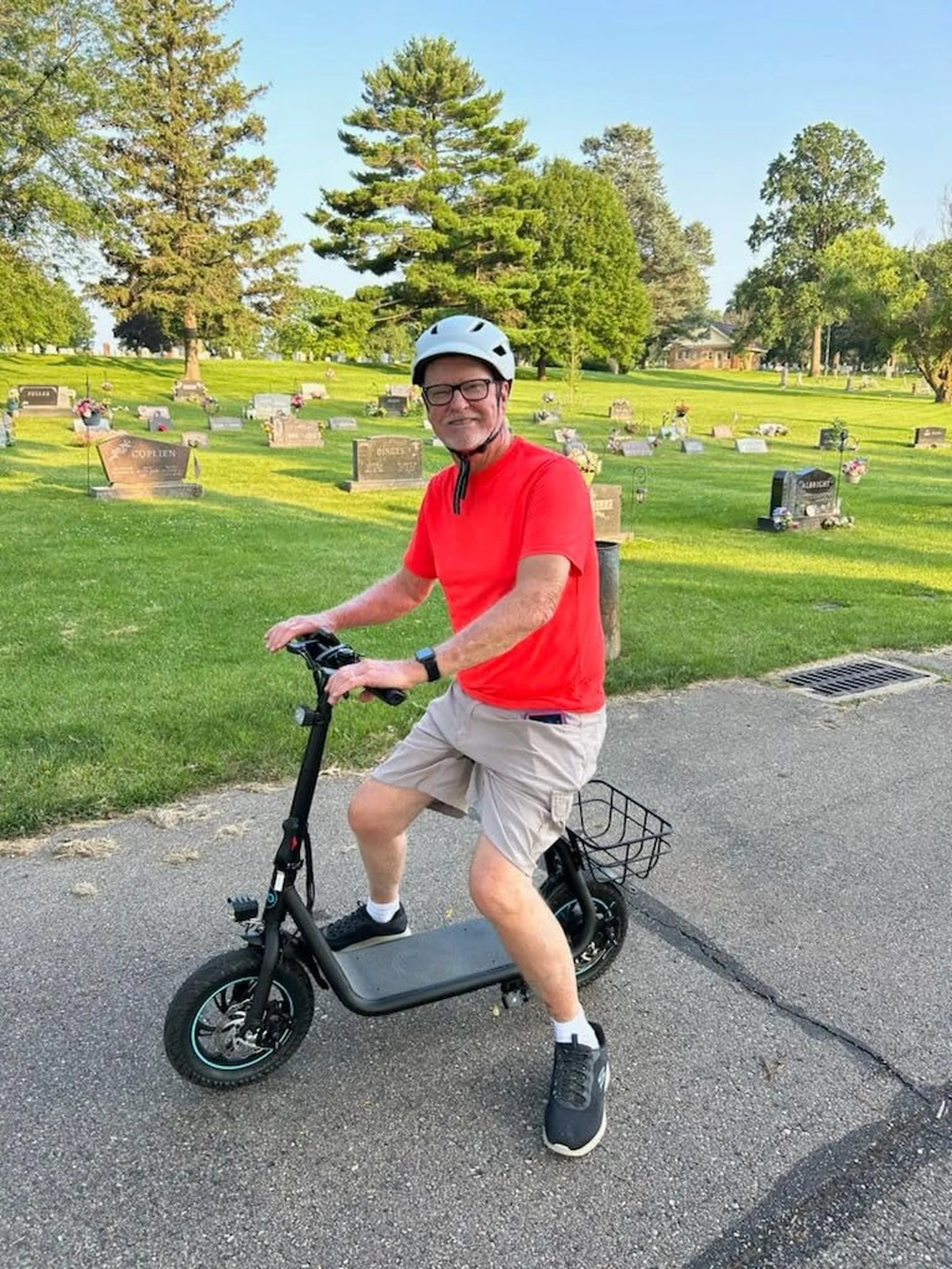
Electric bikes have revolutionized personal transportation, offering a blend of convenience, efficiency, and eco-friendliness. But two critical factors—electric bike range and speed—can make or break your riding experience. Whether you're commuting daily or exploring off-road trails, understanding these elements ensures you get the most out of your e-bike.
How Electric Bike Range Works
The range of an electric bike refers to the distance it can travel on a single charge. Several factors influence this, including battery capacity, motor efficiency, terrain, rider weight, and riding style. A higher-capacity battery typically provides a longer range, but real-world conditions play a significant role.
Battery Capacity and Efficiency
Battery capacity, measured in watt-hours (Wh), determines how much energy your e-bike can store. A larger battery (e.g., 500Wh vs. 300Wh) generally offers more range. However, efficiency matters just as much. Factors like motor type (hub vs. mid-drive) and pedal-assist levels affect how efficiently energy is used.
Terrain and Riding Conditions
Riding uphill or on rough terrain drains the battery faster than flat, smooth roads. Wind resistance and tire pressure also impact range. For example, underinflated tires create more rolling resistance, reducing your e-bike's efficiency.
Understanding Electric Bike Speed
Speed is another crucial factor, especially for commuters and thrill-seekers. Most electric bikes are classified into three categories based on speed:
- Class 1: Pedal-assist up to 20 mph (32 km/h), no throttle.
- Class 2: Throttle-assisted up to 20 mph (32 km/h).
- Class 3: Pedal-assist up to 28 mph (45 km/h), often with a speedometer.
Legal Limits and Safety
Speed limits for e-bikes vary by region. Exceeding these limits may require registration or even reclassify your bike as a moped. Always check local regulations to avoid fines or legal issues.
Balancing Range and Speed
Riding at top speed constantly will drain your battery faster, reducing your range. To maximize both, consider these tips:
- Use lower pedal-assist levels when cruising on flat terrain.
- Maintain proper tire pressure to reduce rolling resistance.
- Plan routes with fewer hills or use regenerative braking if available.
Future Trends in Electric Bike Technology
Advancements in battery technology, such as solid-state batteries, promise longer ranges and faster charging times. Lighter materials and more efficient motors are also on the horizon, making e-bikes even more versatile.
Ready to hit the road? Whether you prioritize electric bike range and speed for daily commutes or weekend adventures, knowing these key factors ensures a smoother, more enjoyable ride. Don’t just ride—ride smarter.
Design Lightweight Electric Mobility Scooter: The Future of Urban Commuting
Electric Bike Range Calculator: How to Estimate Your E-Bike's Distance Accurately