



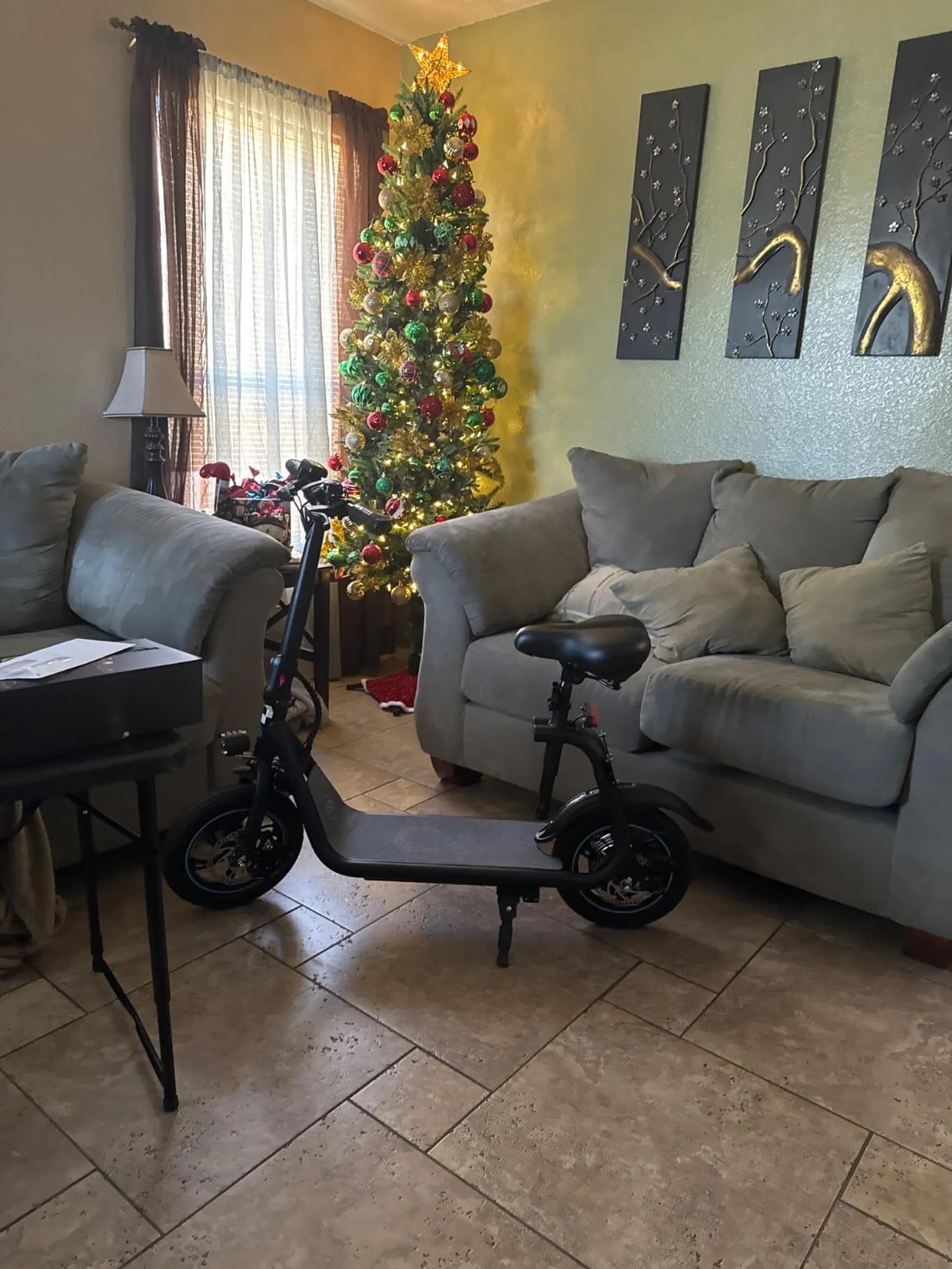
Riding an electric bike is a thrilling experience, but ensuring your brakes are properly adjusted is crucial for safety and performance. A misaligned or loose rear brake can lead to dangerous situations, especially at higher speeds. Whether you're a seasoned rider or a beginner, mastering electric bike rear brake adjustment is a skill worth learning. Follow this step-by-step guide to keep your bike in top shape and enjoy a smoother, safer ride.
Why Proper Rear Brake Adjustment Matters
Electric bikes are heavier and faster than traditional bicycles, making reliable braking systems essential. A well-adjusted rear brake ensures:
- Improved stopping power
- Reduced wear on brake pads
- Enhanced control during rides
- Longer lifespan of brake components
Neglecting brake maintenance can lead to uneven pad wear, squeaking, or even complete brake failure. Regular adjustments keep your bike running smoothly and prevent costly repairs.
Tools You'll Need for Rear Brake Adjustment
Before starting, gather these basic tools:
- Allen wrenches (sizes may vary)
- Adjustable wrench
- Phillips screwdriver
- Clean cloth or rag
- Rubbing alcohol (for cleaning)
Having the right tools on hand makes the process quicker and easier.
Step 1: Inspect the Brake Pads
Start by examining the condition of your brake pads. Look for:
- Wear indicators (if visible)
- Uneven wear patterns
- Contaminants like oil or dirt
If the pads are worn beyond the manufacturer's recommended thickness, replace them before proceeding with adjustment.
Step 2: Clean the Braking Surface
Use rubbing alcohol and a clean cloth to wipe down:
- The rotor surface
- Brake pads
- Caliper area
This removes any debris or oil that could affect braking performance.
Step 3: Loosen the Caliper Bolts
Locate the two bolts holding the caliper to the frame or fork. Loosen them just enough to allow the caliper to move slightly, but don't remove them completely.
Step 4: Align the Caliper
With the bolts loose:
- Squeeze the brake lever firmly
- While holding the lever, tighten the caliper bolts evenly
- Release the lever and spin the wheel to check alignment
The caliper should now be centered over the rotor.
Step 5: Adjust Pad Clearance
Most electric bike brakes have an adjustment screw or knob to fine-tune pad clearance. Turn this adjuster until there's about 1mm of space between each pad and the rotor when the brake isn't engaged.
Step 6: Test and Fine-Tune
After making adjustments:
- Spin the wheel to ensure it rotates freely without drag
- Test the brakes at low speed in a safe area
- Make minor adjustments as needed
Common Issues and Troubleshooting
Brakes Squeaking
If your brakes squeal:
- Clean the rotor and pads again
- Check for contamination
- Ensure proper toe-in (slight angle) of the pads
Excessive Lever Travel
If the lever pulls too far before engaging:
- Check for air in hydraulic systems (may need bleeding)
- Adjust cable tension on mechanical brakes
- Inspect for worn components
Uneven Braking
If one pad contacts before the other:
- Re-center the caliper
- Check for bent rotor
- Ensure pads are properly seated
When to Seek Professional Help
While many adjustments can be done at home, consider professional assistance for:
- Hydraulic brake bleeding
- Rotor straightening
- Complete brake system overhauls
Maintenance Tips for Long-Lasting Brakes
Extend your brake system's life with these practices:
- Clean brakes regularly
- Avoid spraying water directly at calipers when washing
- Check brake fluid levels (for hydraulic systems)
- Inspect cables for wear (for mechanical systems)
Proper electric bike rear brake adjustment isn't just about maintenance—it's about unlocking your bike's full potential while keeping you safe on every ride. With these steps, you'll enjoy confident braking and smoother stops, whether you're commuting through city streets or exploring rugged trails. Remember, well-adjusted brakes mean more control, better performance, and ultimately, more riding enjoyment.
Where Is the Fuse on an Electric Scooter: A Complete Guide
Mountain Biking in Germany: Trails, Tips, and Unforgettable Adventures