

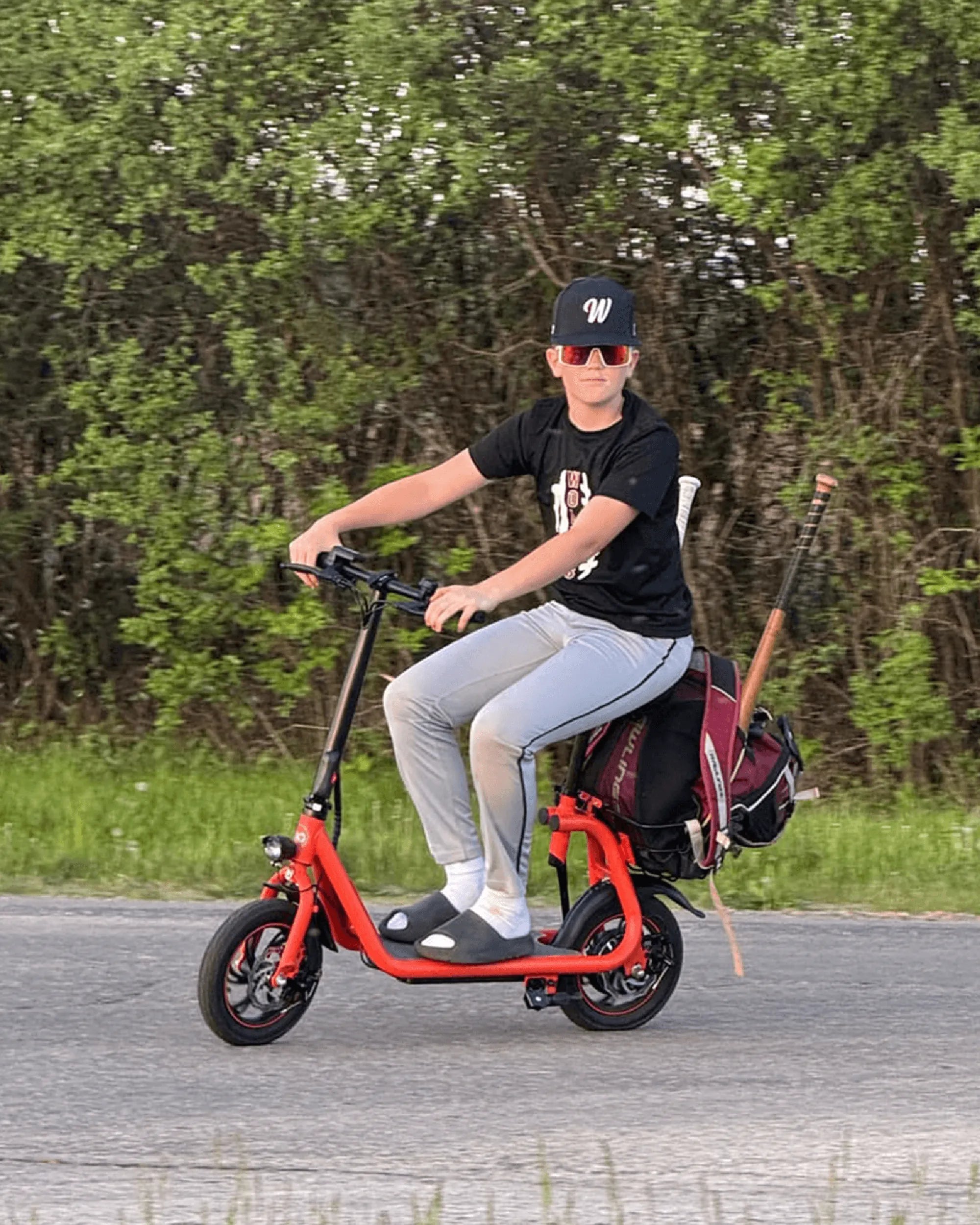
Electric bikes have revolutionized urban commuting and recreational cycling, offering speed, convenience, and eco-friendly transportation. However, with great power comes great responsibility—ensuring your e-bike is equipped with the latest safety features is crucial for a smooth and secure ride. Whether you're a seasoned rider or a beginner, understanding these features can make all the difference.
Why Electric Bike Safety Features Matter
Riding an electric bike can be exhilarating, but it also introduces unique risks compared to traditional bicycles. Higher speeds, heavier frames, and motorized assistance mean that safety should never be an afterthought. Modern e-bikes come packed with advanced technologies designed to protect riders, pedestrians, and other road users. Let’s dive into the most critical safety features you should prioritize.
Essential Electric Bike Safety Features
1. Anti-Lock Braking Systems (ABS)
One of the most important safety features in electric bikes is the Anti-Lock Braking System (ABS). This technology prevents wheel lock-up during sudden braking, reducing the risk of skidding and loss of control. ABS is especially valuable in wet or slippery conditions, where traditional brakes might fail to provide adequate stopping power.
2. Hydraulic Disc Brakes
Hydraulic disc brakes offer superior stopping power compared to mechanical brakes. They require less hand pressure to engage, ensuring quick and reliable braking even at higher speeds. This feature is a must-have for e-bikes, which often weigh more than standard bicycles.
3. Integrated Lighting Systems
Visibility is key to rider safety, especially during low-light conditions. Many electric bikes now come with integrated front and rear LED lights, often powered by the bike’s battery. Some models even include automatic light activation based on ambient light levels, ensuring you’re always visible to others.
4. Speed Limiters and Pedal Assist Sensors
Most electric bikes are equipped with speed limiters to comply with local regulations. These systems cap the motor’s output at a certain speed, preventing excessive acceleration. Pedal assist sensors also play a role in safety by ensuring smooth power delivery, reducing the risk of sudden jerks or unintended acceleration.
5. Sturdy Frame Design and Weight Distribution
A well-designed frame with balanced weight distribution enhances stability, especially when carrying loads or navigating turns. Look for e-bikes with reinforced frames and low centers of gravity to minimize tipping hazards.
6. Smartphone Connectivity and GPS Tracking
Some advanced e-bikes offer smartphone connectivity, allowing riders to monitor speed, battery life, and even navigation through an app. GPS tracking can also help recover a stolen bike, adding an extra layer of security.
Additional Safety Tips for Electric Bike Riders
While having the right safety features is essential, rider behavior also plays a significant role in preventing accidents. Always wear a helmet, obey traffic laws, and stay alert to your surroundings. Regular maintenance—such as checking tire pressure, brake function, and battery health—can further reduce risks.
The Future of Electric Bike Safety
As technology evolves, so do electric bike safety features. Innovations like collision detection, adaptive cruise control, and even AI-powered hazard alerts are on the horizon. Staying informed about these advancements will help you make smarter choices when selecting or upgrading your e-bike.
Electric bikes are here to stay, and their safety features are getting better every year. By prioritizing these technologies and riding responsibly, you can enjoy the thrill of e-biking without compromising on safety. Ready to hit the road with confidence? Your next ride could be safer than ever.
Best Electric Bike for Short People: Top Picks and Buying Guide
Electric Bike for Small Women: The Ultimate Guide to Finding the Perfect Fit