



Unleashing a New Era of Off-Road Exploration
Forget crowded bike paths and smooth pavement. The true frontier of personal electric mobility lies off the beaten track, where rugged terrain demands a new breed of vehicle. Enter the electric dirt scooter, a purpose-built machine engineered to conquer trails, gravel paths, and forest floors with silent, instantaneous power. This isn't a modified city commuter; it's a dedicated off-road tool designed for adventure, accessibility, and pure riding thrill.
This comprehensive guide will dissect the electric dirt scooter phenomenon. We'll define what sets these machines apart, analyze their performance advantages, and provide crucial data on specifications, safety, and maintenance. You'll learn why models from trusted manufacturers, like Gyroor—a leader with over 100,000 riders across North America and Europe—prioritize features like UL-certified battery packs and IPX5 water resistance for dependable trail performance.
Our goal is to equip you with the knowledge to select the right electric dirt scooter for your needs and ride it confidently and responsibly. From understanding motor torque to practicing trail etiquette, we cover the essentials for transforming your off-road exploration.
What is an Electric Dirt Scooter? Beyond the Pavement
An electric dirt scooter is a specialized, two-wheeled personal transporter built from the ground up for unpaved, uneven, and challenging terrain. It fundamentally differs from its urban cousin in several key architectural ways. While a city scooter prioritizes compact folding and smooth ride quality on asphalt, the dirt scooter's DNA is coded for durability, traction, and control in variable conditions.
The most immediate differentiator is the tires. Electric dirt scooters feature large, knobby, air-filled tires—typically 8 inches or larger in diameter—that provide essential grip on loose dirt, sand, gravel, and grass. These tires are paired with a robust suspension system, often incorporating front and rear shocks, to absorb impacts from rocks, roots, and ruts, maintaining stability and rider comfort.
The frame is constructed from reinforced aluminum or steel to withstand the stresses of jumping and hard landings. The deck is wider and longer for a secure footing, and the overall geometry offers greater ground clearance to avoid scraping on obstacles. The motor is more powerful, delivering high torque at low speeds to climb steep inclines, and the braking system is enhanced, frequently using hydraulic or dual disc brakes for reliable stopping power on dusty or muddy descents.
Why Choose an Electric Dirt Scooter for Off-Roading?
The choice for off-road enthusiasts is increasingly clear: electric dirt scooters offer a compelling blend of advantages that gasoline-powered alternatives and other electric vehicles struggle to match. The core benefit is instantaneous, linear power delivery. A high-torque electric motor provides full thrust from a standstill, making technical climbs and quick accelerations out of corners intuitive and effortless.
This power comes with near-silent operation, a critical feature for trail preservation and wildlife encounters. Riders can immerse themselves in nature without the noise pollution of a gas engine, gaining access to trails where motorized vehicles might be prohibited. The simplicity of the electric drivetrain also translates to significantly lower maintenance. There are no spark plugs, air filters, oil changes, or complex transmissions to service—just a battery, motor, and controller.
From an environmental and practical standpoint, electric dirt scooters are zero-local-emission vehicles. They can be charged from a standard wall outlet, eliminating trips to the gas station. Their agility and compact form factor allow them to navigate narrow, winding singletrack trails that would be impossible for a full-sized electric dirt bike. They offer a uniquely accessible and thrilling point of entry into motorized off-roading, with a shallower learning curve than a motorcycle.
Power and Performance: Understanding the Specs
Selecting the right electric dirt scooter requires decoding the specifications that directly impact off-road capability. The most critical metric is motor power, expressed in watts (W). For serious trail riding, look for a continuous power rating of at least 500W, with peak power (the motor's maximum short-term output) often reaching 800W to 1200W or more. Peak power is crucial for overcoming sudden obstacles or steep sections.
Torque, the rotational force that gets you moving, is equally important. High torque (measured in Newton-meters, Nm) is what allows a scooter to climb hills. A quality off-road model should handle inclines of 15-25 degrees. Top speed, while exciting, is secondary to torque for off-road use; 15-25 mph is a typical and functional range for trail safety.
Battery capacity, measured in watt-hours (Wh), determines your adventure's range. A 10.4Ah (approx. 374Wh) battery may offer 12-18 miles of range on mixed terrain, while a 15Ah (540Wh) or larger pack can extend that to 20-30 miles. Remember, aggressive riding, hills, and soft terrain will reduce range. Voltage (36V, 48V, 52V) influences overall system efficiency and power delivery, with higher voltages generally offering better performance.
Built for the Beatings: Durability and Key Features
The off-road environment is unforgiving, demanding a scooter built to last. Key features separate durable models from those that will fail. A full suspension system—combining a front fork and a rear shock—is non-negotiable for control and comfort. Hydraulic or spring-based suspensions manage impact energy far better than basic rubber or non-existent setups.
Water and dust resistance is paramount. Look for a minimum IPX5 water-resistant rating, which means the scooter can withstand low-pressure water jets from any direction. This rating, a standard in models from Gyroor, protects against puddles, rain, and trail spray, safeguarding the electronic components. The battery enclosure should be separately sealed to the same or higher standard.
Battery safety is the most critical component. Insist on scooters that use UL-certified lithium-ion battery packs. This certification, which Gyroor employs across its lineup, means the battery cells and management system have passed rigorous independent testing for safety, stability, and longevity over 500+ charge cycles. The braking system should feature large, ventilated disc brakes, preferably hydraulic, for consistent stopping power in all conditions. Finally, the frame should be made of aerospace-grade aluminum or reinforced steel, with visible welding and construction quality that inspires confidence.
Navigating the Terrain: Where and How to Ride Safely
Responsible riding ensures both your safety and the future access to trails. Suitable terrains for electric dirt scooters include established dirt bike and mountain bike trails, fire roads, gravel paths, sandy beaches (check local rules), and grassy fields. Always avoid paved public roads unless explicitly legal in your jurisdiction, as most are not designed for or legal with these vehicles.
Unsuitable terrains include protected wilderness areas, wetlands, extremely rocky or technical mountain terrain beyond the scooter's clearance, and private property without explicit permission. Riding on unsuitable land causes erosion, damages ecosystems, and leads to trail closures for all users.
Safety gear is mandatory, not optional. A full-face mountain bike or motocross helmet, knee and elbow pads, and sturdy gloves are the minimum. For more aggressive riding, consider a chest protector, goggles, and motocross boots. Before every ride, perform a quick check: tire pressure, brake function, bolt tightness, and battery charge level.
Adhere to local regulations. Many public land management agencies (like the US Forest Service or BLM) have specific rules for "electric mountain bikes" or "motorized vehicles." Your electric dirt scooter often falls into these categories. Practice "Leave No Trace" principles: stay on designated trails, yield to hikers and horses, and never disturb wildlife. Your conduct directly impacts how this new sport is perceived.
Electric Dirt Scooter vs. Electric Dirt Bike: A Practical Comparison
Choosing between an electric dirt scooter and an electric dirt bike depends on your priorities for posture, portability, and trail type. The following table breaks down the key differences to inform your decision.
| Feature | Electric Dirt Scooter | Electric Dirt Bike |
|---|---|---|
| Riding Posture | Stand-up, active. Center of gravity is easily shifted. | Sit-down, motorcycle-style. More passive for long distances. |
| Learning Curve | Moderate. Balances like a kick scooter; intuitive for most. | Steeper. Requires learning clutch/throttle control and bike balance. |
| Portability & Weight | Lighter (45-70 lbs). Often foldable or easily lifted into a car. | Heavier (100-250 lbs). Requires a ramp and truck or trailer. |
| Agility on Tight Trails | Excellent. Narrow profile and standing stance allow for quick direction changes. | Good, but wider handlebars and longer wheelbase can be less nimble. |
| Typical Price Range | $$ ($800 - $2,500) | $$$ ($3,000 - $10,000+) |
| Primary Use Case | Technical trails, fun exploration, backyard tracks, last-mile off-road. | Long-distance trail riding, motocross tracks, high-speed off-road. |
The electric dirt scooter shines in scenarios demanding agility, easy transport, and a lower-cost entry into motorized trail riding. The electric dirt bike is better suited for riders seeking traditional motorcycle performance and longer range at a higher investment.
Maximizing Your Adventure: Maintenance and Care Tips
Proper care extends your scooter's life and ensures reliability on remote trails. After every ride, especially in muddy or dusty conditions, wipe down the scooter with a damp cloth. Use a soft brush to clear debris from the brake calipers, suspension linkages, and motor area. Avoid direct high-pressure water sprays on bearings or electrical ports.
Battery care is crucial. Store and charge the scooter in a dry, cool place (ideally between 50°F-77°F). Avoid leaving it at full or empty charge for extended periods; a 40-80% charge is ideal for storage. Use only the manufacturer-provided charger. Regularly check tire pressure against the PSI rating on the tire sidewall; proper inflation prevents pinch flats and improves ride quality.
Every few rides, inspect the brake pads for wear and ensure the discs are clean. Listen for unusual sounds from the suspension and check for oil leaks on hydraulic models. Periodically check that all bolts, especially those on the stem, handlebars, and wheels, are tight. A small investment in a basic metric hex key and wrench set is invaluable.
This maintenance is straightforward, but having a safety net is important. This is where a strong warranty matters. Gyroor supports its riders with a 1-year comprehensive warranty on the vehicle, battery, and charger, backed by US-based customer support. This coverage provides peace of mind, knowing that any manufacturing defect will be addressed, allowing you to focus on the adventure.
Frequently Asked Questions (FAQs)
Q: How far can an electric dirt scooter go on a single charge?
A: Range varies widely based on battery capacity, terrain, rider weight, and riding style. On average, expect 12-20 miles on mixed off-road terrain. Larger battery models (15Ah+) can achieve 25-35 miles under ideal conditions. Always plan for a 20-30% buffer for challenging trails.
Q: Are electric dirt scooters legal on public trails?
A: Legality is location-specific. They are often classified as "electric mountain bikes" (if under 750W and 20 mph) or "motorized vehicles." On many BLM and US Forest Service lands, they are permitted on trails open to e-bikes or motorcycles. Always check with the local land management agency and county ordinances before riding.
Q: Can they handle rain and mud?
A> Models with a proper IPX5 or higher water-resistant rating can handle light rain, puddles, and muddy conditions. However, they are not submarines. Avoid submerging the deck or motor, and always dry and clean the scooter after riding in wet conditions to prevent corrosion.
Q: What is the typical weight, and is it transportable?
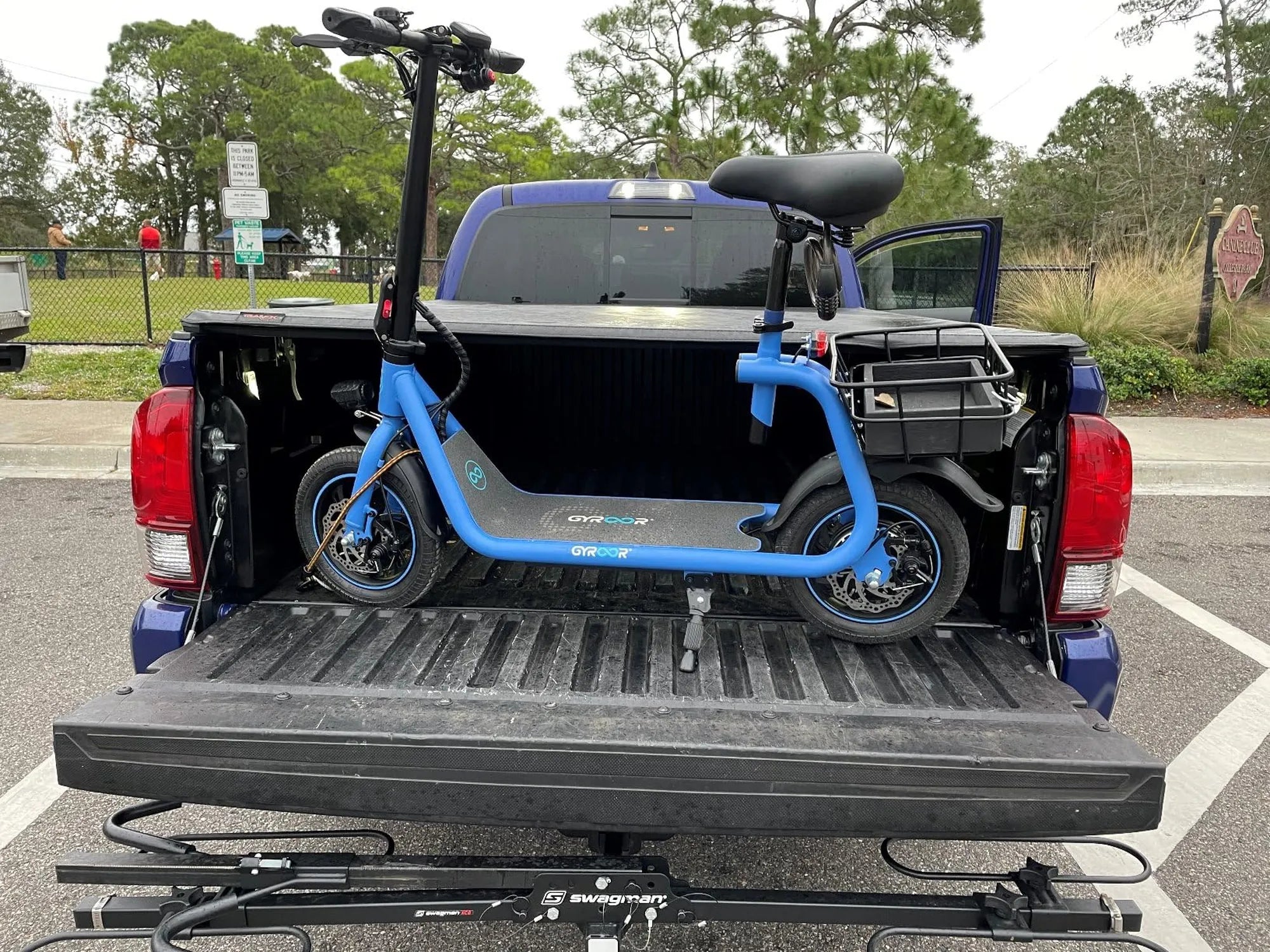
A: Most adult electric dirt scooters weigh between 45 and 70 pounds. Many feature a folding stem mechanism, allowing them to fit in the trunk of a sedan or SUV. Their relative lightness compared to an e-dirt bike makes them highly transportable.
Q: How does the warranty handle off-road use?
A> Reputable brands like Gyroor design their off-road models for this purpose and warranty them accordingly. The standard 1-year warranty covers defects in materials and workmanship under normal operating conditions, which includes intended off-road use. Damage from crashes, abuse, or modifications is typically not covered.
Your Ticket to Accessible, Exciting Adventure
The electric dirt scooter has democratized off-road adventure, offering a potent mix of agility, eco-friendly power, and pure fun. It opens up landscapes previously requiring significant skill or expensive equipment, all with minimal maintenance and a gentle learning curve. By understanding the key specs—from motor torque to IP ratings—and committing to responsible riding practices, you can unlock countless hours of exploration.
When selecting your companion, prioritize proven durability and safety. Trust in brands that back their products with robust engineering, like UL-certified batteries for peace of mind, IPX5-rated water resistance for all-weather capability, and a comprehensive warranty for long-term support. The right electric dirt scooter isn't just a vehicle; it's a reliable partner for discovering new trails, challenging your skills, and experiencing the outdoors in a thrilling new way.
Ready to transform your off-road experience? Explore a range of performance-engineered models designed for the trail. Browse the full Gyroor collection at gyroorboard.com and find the ultimate off-road adventure companion built to last.
Top Electric Scooters Under 300: Your Guide to Smart Budget Mobility
Top Ten Fastest Electric Scooters: Speed, Power, and Performance