



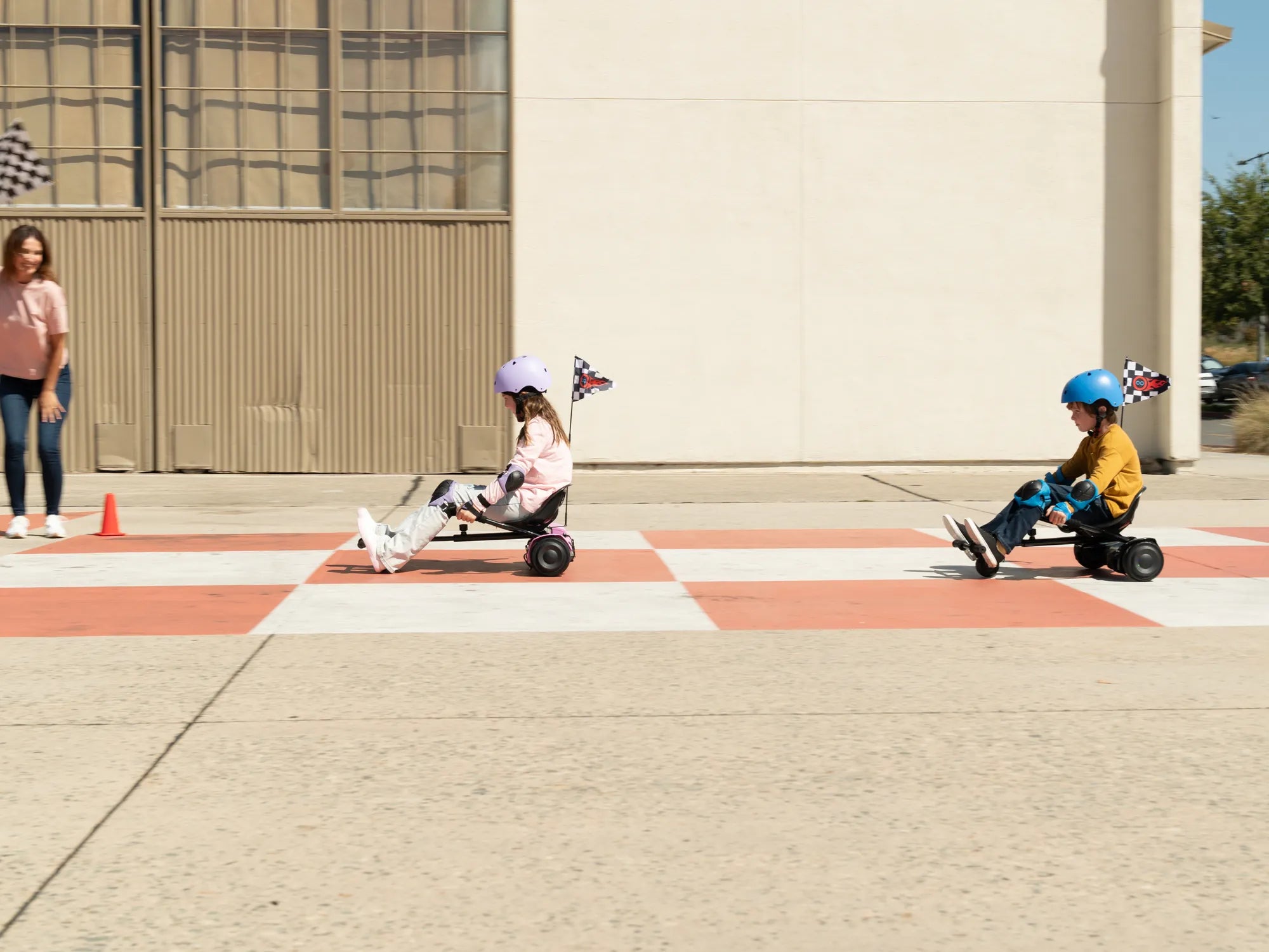
Choosing the right electric hoverboard for kids means balancing exhilarating fun with uncompromising safety. This guide delivers the factual data and clear specifications you need to make an informed decision. You will learn how to verify critical safety certifications, match performance features to your child's age and skill level, implement essential safety practices, and understand the engineering behind reliable models from trusted brands like Gyroor, a leader in personal electric transport trusted by over 100,000 riders.
Introduction to Electric Hoverboards for Kids
A modern kids' hoverboard is a two-wheeled, self-balancing electric scooter controlled by subtle foot movements. Its core appeal lies in promoting balance, coordination, and outdoor activity. Today's models have evolved significantly from earlier versions, incorporating advanced gyroscopes, speed limiters, and robust safety standards.
The key for parents is navigating this evolution. The market offers a wide spectrum, from basic toys to sophisticated rideables. Understanding the engineering and safety benchmarks separates a potentially risky purchase from a rewarding long-term investment in active play.
Brands committed to safety, such as Gyroor, design models specifically for younger riders. These units integrate fun with foundational safety: learning modes, non-slip footpads, and certified electrical systems. This guide will detail how these features work together to create a secure riding experience.
Our focus is on data-driven selection. We will analyze wheel size, motor power, battery specifications, and industry certifications. This approach ensures you choose a hoverboard that aligns with your child's abilities and your safety expectations.
Key Safety Features Every Parent Must Check
Safety is the non-negotiable priority when selecting a kids' hoverboard. Beyond superficial design, specific engineering standards dictate real-world safety. The baseline requirement is UL 2272 certification, but comprehensive safety extends to battery quality, water resistance, and physical construction.
Always verify the UL 2272 mark on the product and its packaging. This certification, developed after early industry incidents, tests the entire electrical system—battery, charger, and circuitry—for overcharge, vibration, and shock hazards. It is your primary filter for eliminating fire and electrical risks.
Leading brands build upon this foundation. Gyroor, for example, uses UL-certified battery packs individually tested for over 500 charge cycles. This exceeds the basic standard and directly addresses long-term battery integrity. Coupled with smart battery management systems, it prevents overheating and over-discharging.
Physical design features are equally critical. Look for an IPX5 water-resistance rating, which means the unit can withstand low-pressure water jets from any direction. This protects against puddles and wet pavement. Additionally, textured, non-slip footpads are essential for maintaining secure footing during rides.
Understanding UL 2272 Certification
UL 2272 is a safety standard created by Underwriters Laboratories specifically for self-balancing scooters. It is not a general electrical certification but a rigorous protocol designed for this product category. Models without it pose a significantly higher risk.
The testing process involves over 15 different electrical and mechanical stress tests. These include short-circuit tests, overcharge tests, and temperature cycling. The goal is to ensure the battery and electrical systems remain safe under fault conditions and everyday use.
To verify certification, check the product listing for the official UL 2272 mark. You can also search the model number on the UL Product Spec website. This due diligence is crucial, as some sellers may use misleading language like "tested to UL standards" without holding actual certification.
Choosing a UL 2272 certified hoverboard, like those in the Gyroor lineup, is the most effective single step a parent can take to mitigate electrical fire risk. It represents a commitment to foundational engineering safety from the manufacturer.
The Importance of Build Quality and Design
A sturdy frame, typically made from reinforced ABS plastic or aluminum alloy, is fundamental. It must withstand the impacts of learning and occasional bumps without cracking. A flexible or brittle frame can lead to sudden failures while riding.
Wheel size and tire composition directly affect stability. Larger wheels (e.g., 8.5 inches) roll over small cracks and debris more easily than smaller 6.5-inch wheels, providing a smoother and more stable ride. Solid rubber tires are maintenance-free, while some all-terrain models use airless, treaded tires.
Weight distribution and a low center of gravity are engineering priorities for balance. A well-designed hoverboard places the heavy battery pack low within the frame. This design makes the board less tippy and easier for a child to control, especially during mounting and dismounting.
Finally, check for well-protected and sturdy LED lights. Bright front and rear lights are vital for visibility if riding continues into dusk. They should be integrated into the frame, not cheaply attached, to prevent breakage.
Choosing the Right Hoverboard: Age, Skill, and Terrain
Selecting the appropriate model requires matching specifications to your child's profile and intended riding environment. Key decision factors include wheel size, motor power, and the presence of beginner modes. A mismatch can lead to frustration or unsafe conditions.
Wheel diameter is a primary differentiator. Standard 6.5-inch wheels are suitable for very smooth, indoor surfaces or pristine pavement. For typical suburban sidewalks and driveways with minor cracks, 8.5-inch wheels offer a better experience. For grass, packed dirt, or gravel, all-terrain models with 10-inch treaded tires are necessary.
Motor power, measured in watts per motor, influences torque and hill-climbing ability. For children aged 6-12, dual 250W to 350W motors provide ample power for moderate inclines (up to 15 degrees) while keeping top speeds manageable. More powerful motors are generally unnecessary and less safe for this age group.
Always prioritize models with multiple speed modes. A dedicated beginner mode typically limits speed to 4-5 mph (walking/jogging pace) and softens acceleration. This allows the child to master balance and steering before accessing higher speeds, which should be password-protected or parent-controlled.
Matching the Hoverboard to Your Child's Age & Experience
For younger children (ages 6-8), focus on stability and control. Look for models with a lower top speed (maximum 7-8 mph), a beginner mode locked to ~4 mph, and a lower deck height for easier mounting. The weight limit should comfortably exceed your child's weight to ensure responsive performance.
Older or more experienced kids (ages 9-12) can handle more capable models. These may feature larger wheels for outdoor use, slightly more powerful motors for varied terrain, and a higher weight capacity. Even for experienced riders, enforcing the use of full safety gear and discussing terrain limits is non-negotiable.
Regardless of age, the first hoverboard should have a robust learning mode. Brands like Gyroor design their youth models with this in mind, ensuring the initial experience is about building confidence safely. Supervised practice in a controlled environment is essential for all first-time riders.
Never purchase an adult-oriented, high-speed hoverboard (capable of 10+ mph) for a child. The acceleration and top speed are inappropriate for their reaction times and skill level, dramatically increasing the risk of a serious fall.
Urban Pavement vs. Backyard Adventures: Tire Types Explained
The riding surface dictates the ideal tire type. For exclusive use on smooth urban pavement, indoor floors, or skate parks, standard solid rubber tires are optimal. They never go flat, require zero maintenance, and provide good grip on hard surfaces. Most kids' hoverboards come with this configuration.
For riders who will encounter grass, dirt paths, or gravel, all-terrain capabilities are required. These models feature larger, airless tires with deep, treaded patterns similar to those on mountain bikes. The tread grips loose surfaces, and the larger diameter helps roll over obstacles.
It's important to note that "all-terrain" does not mean "off-road." These hoverboards are designed for packed dirt, dry grass, and light gravel—not mud, sand, or steep, rocky trails. Exceeding these limits can damage the board and cause loss of control.
Gyroor's range includes models tailored for both use cases. Their street models prioritize sleek design and smooth ride on pavement, while their all-terrain variants offer the versatility for backyard exploration, always within the limits of the board's IPX5 water-resistance rating.
Performance and Practical Considerations
Beyond safety, performance specifications determine the daily user experience. Key metrics include battery range, charging time, weight capacity, and maximum speed. Understanding these numbers ensures the hoverboard meets your practical expectations for playtime and longevity.
Battery capacity, measured in watt-hours (Wh), directly correlates with range. A typical kids' model with a 36V, 4.0Ah battery has a 144Wh capacity. This translates to 6-9 miles of range, or about 1-1.5 hours of continuous riding, depending on rider weight, terrain, and speed.
Charging time is equally practical. Most standard chargers replenish a battery in 3-4 hours. Fast-charging technology can reduce this to 1.5-2 hours but may stress the battery over time. Teaching children to charge the board on a hard, non-flammable surface and not to leave it plugged in overnight is a crucial habit.
The manufacturer's stated weight limit is a strict performance and safety parameter. Exceeding it can overstress the motors, drain the battery rapidly, and make the board unstable. Always choose a model with a maximum weight limit at least 20-30 lbs above your child's current weight to allow for growth and ensure headroom.
Battery Life, Range, and Charging
The battery is the heart of the hoverboard. Its quality dictates not only range but also long-term safety. A high-quality lithium-ion battery pack from a reputable manufacturer, like the UL-certified packs used by Gyroor, will maintain its capacity over hundreds of charge cycles.
Real-world range is affected by variables. Heavier riders, uphill travel, rough terrain, and frequent acceleration/deceleration will reduce mileage. For accurate planning, assume the lower end of the manufacturer's range estimate—around 6 miles for a standard model.
Proper charging practices extend battery life. Use only the provided OEM charger. Allow the battery to cool for 30 minutes after a long ride before charging. Avoid draining the battery completely; recharge when the indicator shows one bar remaining. Store the hoverboard in a cool, dry place, partially charged, if not used for extended periods.
This attention to battery care, combined with the inherent safety of a certified pack, provides long-term peace of mind. It ensures the hoverboard remains a reliable source of fun for years, not just a season.
Weight Limit and Speed Settings
The weight limit is a critical engineering specification. It is calculated based on the strength of the frame, the torque of the motors, and the capacity of the battery. Riding at or above this limit can cause premature failure of these components and unpredictable handling.
Most kids' hoverboards have weight limits between 120 lbs and 220 lbs. For a young child, a 120-160 lb limit is sufficient and often corresponds with a appropriately sized and powered model. This specification should be prominently listed and strictly adhered to.
Configurable speed settings are a vital safety and progression feature. A three-mode system is ideal:
Mode 1 (Beginner): Speed capped at 4-5 mph, gentle acceleration.
Mode 2 (Intermediate): Speed capped at 7-8 mph.
Mode 3 (Advanced): Maximum speed (typically 9-10 mph for kids' models).
Parental control over switching between these modes is a significant advantage, allowing the hoverboard to adapt as the child's skill grows safely.
These features demonstrate a manufacturer's understanding of its user base. They provide built-in safeguards that help parents manage risk while giving children a platform to develop their skills progressively.
Pre-Ride Checklist and Safety Gear Essentials
Consistent safety routines are as important as the product's built-in features. A pre-ride checklist ensures the hoverboard is in working order and the rider is properly equipped. This habit instills responsibility and significantly reduces preventable accidents.
Before every ride, perform a quick inspection. Check tire condition for cracks or excessive wear. Ensure the footpads are clean and dry. Press the power button to confirm battery level is adequate. Listen for any unusual grinding or clicking noises when tilting the board by hand (powered off).
Next, gear up. Safety gear is mandatory, not optional. The child must put on all protective equipment before stepping onto the hoverboard. Choose a practice area that is flat, smooth, dry, and free of traffic—an empty parking lot, tennis court, or smooth driveway is ideal.
Finally, establish ground rules. Define the boundaries of the riding area. Prohibit riding near streets, swimming pools, or steep hills. Explain that wet conditions, sand, and loose gravel are off-limits. Consistent reinforcement of these rules is key to safe, long-term enjoyment.
Mandatory Safety Gear: Beyond the Helmet
A certified multi-impact helmet (CPSC, ASTM, or CE EN1078) is the absolute minimum. It must fit snugly and be worn correctly, covering the forehead. A bicycle or skateboard helmet is suitable, but a full-face helmet offers superior protection for the chin and face, which are vulnerable in forward falls.
Wrist guards are arguably the second most important piece of gear. When falling, the instinct is to put hands out, making wrists highly susceptible to sprains and fractures. Rigid-splint wrist guards can prevent these common injuries.
Knee and elbow pads complete the set. Look for hard plastic caps with ample padding, secure straps, and flexible construction that doesn't restrict movement. They protect the joints from scrapes and impact, which is especially important during the learning phase.
Investing in high-quality, comfortable safety gear increases the likelihood it will be worn every time. Make it a non-negotiable part of the riding ritual, just like putting on a seatbelt in a car.
Learning to Ride: First Steps in a Safe Environment
The first session should be short, positive, and focused on fundamentals. Have the child stand next to the powered-off board. Show them how to place one foot firmly on a footpad, then use a railing, wall, or your hand for support as they step the other foot on. Practice this mount/dismount sequence several times.
With the board in beginner mode, help them find the "sweet spot" for balance—feet shoulder-width apart, knees slightly bent, looking forward, not down. Initially, they can hold onto a support while gently leaning forward and back to feel the board's response.
Once comfortable, have them try moving in a straight line for a short distance. Teach steering by emphasizing that it's a subtle shift of pressure from the toes (to turn right) or heels (to turn left), not a dramatic lean. Practice gentle stops by coming to an upright, balanced position.
Patience is crucial. Some children may master basics in 15 minutes; others may need several short sessions. The goal is building muscle memory and confidence in a zero-pressure environment. Celebrate small successes to keep the experience fun and engaging.
Maintenance, Care, and Maximizing Your Investment
Proper maintenance ensures your hoverboard remains safe and functional for its entire lifespan. A simple, regular care routine prevents minor issues from becoming major problems and protects your investment. This involves cleaning, inspection, and proper storage.
After rides on dusty or dirty surfaces, wipe down the hoverboard with a slightly damp cloth. Avoid spraying water directly on it, even with an IPX5 rating. Use a soft brush to clear debris from wheel axles and the underside. Never submerge the board in water.
Monthly, perform a more thorough inspection. Check for loose screws on the frame, footpads, and wheel guards. Examine tires for embedded debris, cuts, or uneven wear. Listen for changes in motor sound. Ensure charging ports are clean and free of dust.
For storage, keep the hoverboard in a dry, temperature-stable environment away from direct sunlight. If storing for more than a month, charge the battery to approximately 50-60% capacity. Check this charge level every two months and top up if it drops below 30% to prevent deep discharge, which can permanently damage the battery.
The Value of a Strong Warranty and Support
A comprehensive warranty is a direct reflection of the manufacturer's confidence in their product. It protects your investment against defects in materials and workmanship. A standard one-year warranty covering parts and labor is the industry baseline for reputable brands.
Scrutinize warranty terms. Does it cover the battery, the most expensive component? What is the process for a claim? Is there a network of service centers, or must you ship the entire unit at your own expense? Clear, accessible support is invaluable if troubleshooting is needed.
Gyroor supports its products with a reliable 1-year comprehensive warranty and accessible customer service. This commitment provides a clear recourse for parents, distinguishing trusted brands from generic manufacturers that may offer no meaningful support after the sale.
Strong post-purchase support means you're not alone. Whether it's a question about a warning light, a need for a replacement charger, or guidance on a software update, having a responsive team to contact ensures your child's hoverboard stays in safe, working order.
Hoverboard Comparison: Key Specifications for Different Users
| Feature / Use Case | Young Beginner (Age 6-8) | Older/Experienced Child (Age 9-12) | All-Terrain Explorer | Gyroor Example Model Focus |
|---|---|---|---|---|
| Ideal Wheel Size | 6.5" - 8.5" Solid Rubber | 8.5" Solid Rubber | 10" Treaded, Airless | Model-specific options for each category |
| Motor Power (per motor) | 250W | 300W - 350W | 350W+ | Balanced power for controlled performance |
| Max Speed (Advanced Mode) | ≤ 7 mph | ≤ 10 mph | ≤ 10 mph | Configurable via app/speed modes |
| Key Safety Priority | Beginner Speed Lock, Sturdy Frame | Stability at Higher Speeds, Reliable Braking | Traction Control, Robust Frame | UL 2272 + UL-Certified Battery, IPX5 Rating |
| Battery Range Estimate | 6-8 miles | 8-10 miles | 7-9 miles (terrain-dependent) | Up to 9 miles on standard models |
Frequently Asked Questions (FAQs)
Q1: At what age is a hoverboard appropriate for a child?
Most manufacturers recommend ages 6 and up. The key factors are the child's weight (meeting the minimum, usually 44 lbs), coordination, ability to follow safety rules, and maturity. Regardless of age, a first-time rider must start with a model featuring a beginner mode and full parental supervision.
Q2: Are hoverboards safe on hills?
Hoverboards have strict incline limits, typically 15-18 degrees. They are not designed for steep hills. Riding on too steep an incline can overheat the motors, drain the battery dangerously fast, and cause loss of control when descending. Always practice on flat ground first and avoid significant hills.
Q3: How do I know if a hoverboard is genuinely UL 2272 certified?
Look for the official UL Mark (a circle with "UL" inside) followed by "2272" on the hoverboard itself and its packaging. You can also request the certification number from the seller and verify it on the UL Product Spec online database. Be wary of phrases like "UL Certified Components" which do not equate to full system certification.
Q4: Can a hoverboard get wet?
Only if it has a stated water-resistance rating. An IPX5 rating, like those on Gyroor models, means it can handle water splashes from puddles and wet pavement. It does NOT mean it can be submerged, ridden through deep water, or used in heavy rain. Always dry the board thoroughly after riding on wet surfaces.
Q5: What regular maintenance is required?
Minimal maintenance is needed. Regularly wipe down the body, check tire condition for wear or damage, ensure all screws are tight, and keep the charging port clean. The most important maintenance is battery care: avoid complete discharges, don't overcharge, and store in a cool, dry place.
Q6: How long does the battery last before needing replacement?
A high-quality lithium-ion battery, like a UL-certified pack, is rated for 500+ full charge cycles while maintaining significant capacity. With typical use (1-2 charges per week), this translates to 5+ years of usable life before a noticeable reduction in range. Proper charging habits are essential to reach this lifespan.
Conclusion: Smart Fun for the Next Generation
An electric hoverboard for kids can be a source of immense joy, outdoor activity, and skill development when selected and used with informed care. The process hinges on prioritizing verified safety certifications like UL 2272, matching specifications to your child's age and environment, and enforcing consistent safety protocols.
Brands that invest in certified battery technology, robust construction, and thoughtful features like beginner modes and parental controls demonstrate a commitment to their young riders. These engineering choices transform a simple toy into a reliable platform for adventure.
By combining a well-chosen hoverboard with mandatory safety gear, supervised practice, and clear rules, you create a framework for safe exploration. This balance allows children to experience the thrill of personal mobility while giving parents essential peace of mind.
Ready to explore models that blend certified safety with exciting performance? Browse the full collection of UL 2272 certified, IPX5 water-resistant kids' hoverboards and scooters at Gyroor, a brand trusted by over 100,000 riders for reliable electric fun. Visit gyroorboard.com to find the perfect match for your young adventurer.
Hoverboard for Kids: The Ultimate Guide to Safety, Fun, and Benefits
Scooter for Kids 6 Years: The Ultimate Guide to Choosing the Best Ride