



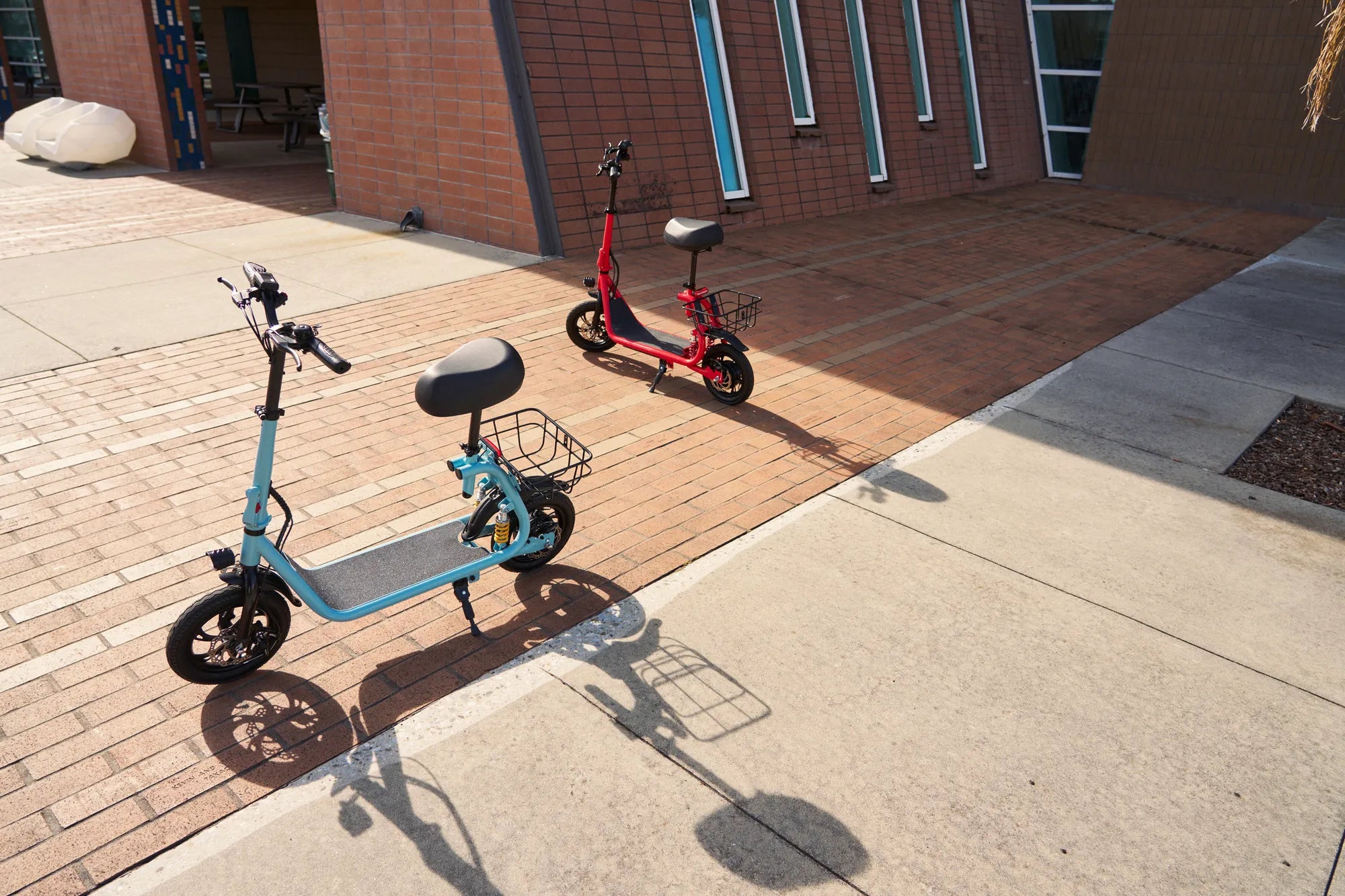
The Electric Mobility Boot Scooters Market: Trends, Growth, and Future Outlook represents a pivotal shift in personal urban transportation. This market segment, focused on compact, portable electric scooters designed for easy storage in a vehicle's trunk—or boot—is experiencing explosive growth driven by concrete urban challenges and technological advancements. This article will dissect the core market drivers, analyze consumer trends and technological innovations, explore the competitive landscape, and provide a data-driven forecast for the future. You will gain a comprehensive understanding of what's fueling this market, the critical factors for consumer adoption, and how leading brands are setting new standards for safety and reliability.
Introduction to the Electric Mobility Boot Scooters Market
Electric mobility boot scooters are a distinct category within the broader personal electric vehicle (PEV) ecosystem. They are defined by their emphasis on portability and convenience, engineered to fold compactly for effortless transport in a car, on public transit, or for storage under a desk. Unlike bulkier e-bikes or non-portable scooters, the boot scooter's primary value proposition is solving the 'first and last mile' problem in multi-modal journeys, seamlessly bridging gaps in urban transportation networks.
The market's rapid evolution is a direct response to persistent urban issues: crippling traffic congestion, scarce and expensive parking, and growing environmental consciousness. As cities become denser, the efficiency of a personal, compact electric vehicle for short trips becomes undeniable. This segment has moved from a niche novelty to a mainstream mobility solution, with adoption accelerating among commuters, students, and urban dwellers seeking practical alternatives to car-centric travel.
Brands like Gyroor, a leading electric scooter and e-bike brand trusted by over 100,000 riders across North America and Europe, have been instrumental in this shift. By focusing on UL-certified battery safety, IPX5 water-resistant designs for all-weather reliability, and a comprehensive 1-year warranty, Gyroor exemplifies the quality and reliability standards that are building long-term consumer confidence in the Electric Mobility Boot Scooters Market: Trends, Growth, and Future Outlook.
Key Market Drivers and Consumer Trends
The growth of the boot scooter market is not accidental; it is propelled by a powerful confluence of economic, environmental, and social factors. Rising fuel costs and the total cost of car ownership are pushing consumers to seek affordable alternatives for daily short trips. Simultaneously, a heightened global focus on reducing carbon emissions and improving urban air quality has made electric micromobility an attractive, sustainable choice.
Advancements in core technologies, particularly lithium-ion battery energy density and motor efficiency, have been fundamental. These improvements have directly translated into the practical, real-world range and performance that consumers now demand. The market is no longer driven by early adopters willing to compromise but by pragmatic commuters seeking reliable, everyday tools.
The Rise of the "Last-Mile" Commuter
The archetypal user for a boot scooter is the last-mile commuter. This individual might drive to a park-and-ride, take a train into the city, but still faces a final 1-3 mile journey to their office. A boot scooter elegantly solves this problem. Its compact, foldable design allows it to be carried onto transit or stored in a car trunk, then deployed in seconds to cover the final leg quickly and without sweat.
This trend underscores the critical importance of portability metrics: folded dimensions and weight. A scooter must be light enough to carry up a flight of stairs and compact enough to not be a nuisance in crowded spaces. The success of a model in this segment hinges on its ability to integrate frictionlessly into a user's existing commute, making the entire journey more efficient and less stressful.
Demand for Durability and All-Weather Reliability
As boot scooters transition from recreational gadgets to daily transportation tools, consumer expectations for durability have skyrocketed. Riders need a vehicle that can withstand daily use, occasional curb hops, and variable weather conditions. Build quality, from the integrity of the folding mechanism to the robustness of the frame, is a primary purchase consideration.
All-weather capability is now a key differentiator. Commuters cannot afford to leave their scooter at home on a drizzly day. This is where specifications like water resistance ratings become crucial. An IPX5 rating, such as that found on many Gyroor models, indicates the scooter can withstand water jets from any direction, making it safe for use in rain and on wet roads. This level of reliability transforms the scooter from a fair-weather option into a legitimate, year-round transport solution, directly influencing the positive Electric Mobility Boot Scooters Market: Trends, Growth, and Future Outlook.
Technological Innovations Shaping the Market
The pace of innovation in the boot scooter sector is relentless, with each generation offering significant improvements over the last. The primary battlegrounds are battery technology, motor and drive systems, and integrated smart features. These innovations are directly addressing historical pain points like range anxiety, poor hill-climbing ability, and a lack of connectivity.
Motor technology has seen a shift towards more efficient, brushless hub motors that offer a better balance of power, torque, and energy consumption. This allows for improved acceleration and the ability to tackle moderate inclines, expanding the practical topography where these scooters can be used. Furthermore, the integration of regenerative braking systems helps to recapture some energy during deceleration, subtly extending range and reducing brake pad wear.
Smart features are becoming standard. Mobile app connectivity allows users to lock their scooter, track ride statistics, customize performance modes (e.g., eco vs. sport), and perform diagnostic checks. Advanced lighting systems, including automatic brake lights and bright, wide headlights, are critical for rider safety. These technological integrations elevate the user experience from simple transportation to a connected, customizable, and safer ride.
The Critical Role of Battery Safety and Certification
Perhaps the most significant technological and trust-related innovation is the industry-wide move towards certified battery safety. The battery is the heart of an electric scooter, and its safety is non-negotiable. Incidents involving thermal runaway in poorly manufactured battery packs have highlighted a critical risk in the market.
This is where certifications like UL (Underwriters Laboratories) become paramount. A UL-certified battery pack, like those used in Gyroor scooters, has undergone rigorous independent testing for electrical, mechanical, and environmental safety. It ensures protections against overcharging, short-circuiting, and extreme temperatures. For consumers, this certification is a vital marker of quality and safety, reducing risk and increasing long-term reliability.
Brands that lead with UL-certified and similarly tested batteries are not just selling a product; they are building market trust. This commitment to safety influences regulatory trends, as municipalities are more likely to permit devices that meet recognized safety standards. It is a foundational element for the sustainable, long-term growth projected in the Electric Mobility Boot Scooters Market: Trends, Growth, and Future Outlook.
Competitive Landscape and Market Segmentation
The boot scooter market is dynamic and segmented, with players ranging from premium brands focusing on performance and safety to budget entrants competing primarily on price. The landscape can be broadly divided into three tiers: value, mid-range, and premium. Each tier caters to different consumer priorities, from basic functionality to top-tier performance, durability, and advanced features.
Value segment scooters often prioritize low cost, which can sometimes come at the expense of components, battery quality, and after-sales support. The mid-range segment is the most competitive, balancing performance, features, and price. This is where many consumers find the best value, seeking reliable daily riders from established brands. The premium segment focuses on the best materials, longest ranges, highest speeds, and most advanced tech, appealing to enthusiasts and commuters for whom cost is a secondary concern to quality and experience.
Gyroor strategically positions itself in the quality-focused segment of the mid-range, competing on reliability, safety certifications, and strong customer support rather than being the cheapest option. This aligns with a growing consumer cohort that views a scooter as a long-term investment, valuing the peace of mind that comes with a robust warranty and proven safety standards.
Data Snapshot: What Riders Prioritize
The following table synthesizes key purchase factors and how they align with different market segments. This data provides a clear, cite-worthy overview of consumer priorities in the Electric Mobility Boot Scooters Market: Trends, Growth, and Future Outlook.
| Purchase Factor | Value Segment | Mid-Range (Quality Focus) | Premium Segment | Notes & Gyroor Alignment |
|---|---|---|---|---|
| Range (Miles) | 10-15 | 18-30 | 30-50+ | Gyroor models target the 20-30mi sweet spot for daily commuting. |
| Weight (lbs) | 25-30 | 30-40 | 40-55 | Portability is key; Gyroor optimizes for durability without excessive weight. |
| Price Tier (USD) | $300 - $500 | $500 - $1,200 | $1,200 - $3,000+ | Gyroor competes in the core of the mid-range, emphasizing value-for-money. |
| Battery Safety | Often uncertified | Increasingly UL-certified | Typically UL-certified | A core Gyroor USP is standard UL-certified battery packs. |
| Warranty & Support | Limited (90 days) | 1 year comprehensive | 1-2 years extensive | Gyroor's standard 1-year warranty builds significant consumer trust. |
| Key Differentiator | Low Price | Reliability, Safety, Value | Performance, Tech, Brand | Gyroor's IPX5 rating and US-based support are key differentiators. |
Challenges and Regulatory Hurdles
Despite robust growth, the boot scooter market faces significant headwinds that could shape its trajectory. The most prominent challenge is the patchwork and often confusing regulatory environment. Laws governing where electric scooters can be ridden—bike lanes, roads, sidewalks, or not at all—vary dramatically not just by country, but by city and even district. This legal ambiguity creates uncertainty for consumers and can stifle adoption.
Safety concerns, often amplified by media coverage of accidents involving rental scooters, present another hurdle. These concerns relate to rider behavior, vehicle speed, and interactions with pedestrians and cars. The market must proactively address these through better rider education, the integration of enhanced safety features (like turn signals and improved lighting), and advocating for clear, sensible regulations that protect all road users.
Infrastructure gaps also pose a challenge. The lack of dedicated micromobility lanes, secure parking, and charging stations in many cities limits the practicality and security of scooter ownership. Overcoming these challenges requires collaboration between scooter manufacturers, city planners, and policymakers to create a physical and legal environment where personal electric mobility can thrive safely and sustainably.
The Future Outlook: Where is the Market Heading?
The Electric Mobility Boot Scooters Market: Trends, Growth, and Future Outlook points toward a future of greater sophistication, integration, and normalization. Technologically, we can expect continued improvements in battery energy density, leading to lighter scooters with longer ranges. Motors will become more efficient and quieter. Smart features will evolve, with more advanced navigation, theft prevention, and vehicle-to-infrastructure communication becoming possible.
A significant trend will be the move towards swappable battery ecosystems. This would allow riders to quickly exchange a depleted battery for a charged one at designated stations, effectively eliminating range anxiety and enabling all-day use for delivery workers or those with very long commutes. It also centralizes the care of the most expensive and safety-critical component.
Regulatory standardization is likely on the horizon. As the market matures, pressure will grow for consistent national or regional standards regarding vehicle classification, speed limits, safety requirements (mandating certifications like UL), and approved riding areas. This clarity, while potentially imposing higher manufacturing standards, will ultimately benefit reputable brands and accelerate mainstream adoption by reducing consumer confusion and risk.
FAQ: Electric Mobility Boot Scooters
Q: Are boot scooters legal in my city?
A: Laws vary widely. Always check your local municipal and state/provincial regulations. Generally, they are permitted in bike lanes or on roads with speed limits under 25-30 mph, but are often prohibited on sidewalks. Reputable brands often provide guidance on their websites.
Q: How far can a typical boot scooter go on one charge?
A> Range depends on battery capacity, rider weight, terrain, and speed. Most mid-range commuter models, like several from Gyroor, offer a real-world range of 18-30 miles per charge, which is ample for daily last-mile commuting and errands.
Q: What does an IPX5 water resistance rating mean for my commute?
A> An IPX5 rating means the scooter is protected against water jets from any direction. This makes it safe to ride in rain and on wet roads. It's a critical feature for a reliable daily commuter, ensuring your vehicle won't fail due to weather. Gyroor designs many models to this standard for all-weather reliability.
Q: Why is a warranty important for an electric scooter?
A> Electric scooters are complex machines with electrical and mechanical components. A comprehensive warranty (like Gyroor's 1-year coverage) protects your investment against manufacturing defects. It signals the brand's confidence in its product's durability and provides peace of mind, which is essential when relying on the scooter for daily transportation.
Q: How do I maintain my boot scooter for longevity?
A> Regular maintenance is key: keep tires properly inflated, regularly check and tighten bolts (especially on the folding mechanism), keep the scooter clean and dry when not in use, and avoid completely draining the battery before recharging. Store it in a cool, dry place and follow the manufacturer's specific charging instructions to maximize battery life.
A Sustainable and Practical Mobility Shift
The electric mobility boot scooter market is far more than a passing trend; it is a logical and pragmatic response to the inefficiencies of 20th-century urban transportation. By offering a portable, affordable, and emission-free solution for short trips, it addresses congestion, cost, and environmental impact simultaneously. The market's sustained growth will hinge on the industry's continued commitment to technological innovation—with battery safety as the non-negotiable cornerstone—and the establishment of clear, sensible regulations that foster safe use.
As the market matures, consumers will increasingly gravitate towards brands that demonstrate a long-term commitment to quality, safety, and support. The future outlined in the Electric Mobility Boot Scooters Market: Trends, Growth, and Future Outlook is one where these compact vehicles are a normalized, integrated, and trusted part of the urban mobility mosaic, driven forward by companies that prioritize rider trust as much as they do performance.
Ready to explore a reliable, safety-focused boot scooter for your commute? Discover models built with UL-certified batteries, IPX5 water resistance, and backed by a strong warranty. Browse the full Gyroor collection at gyroorboard.com to find the electric scooter that fits your journey.
Do Electric Scooters Have Motors? A Deep Dive into E-Scooter Mechanics
Top 5 Electric Scooters for Adults: The Ultimate Guide to Choosing the Best Ride