



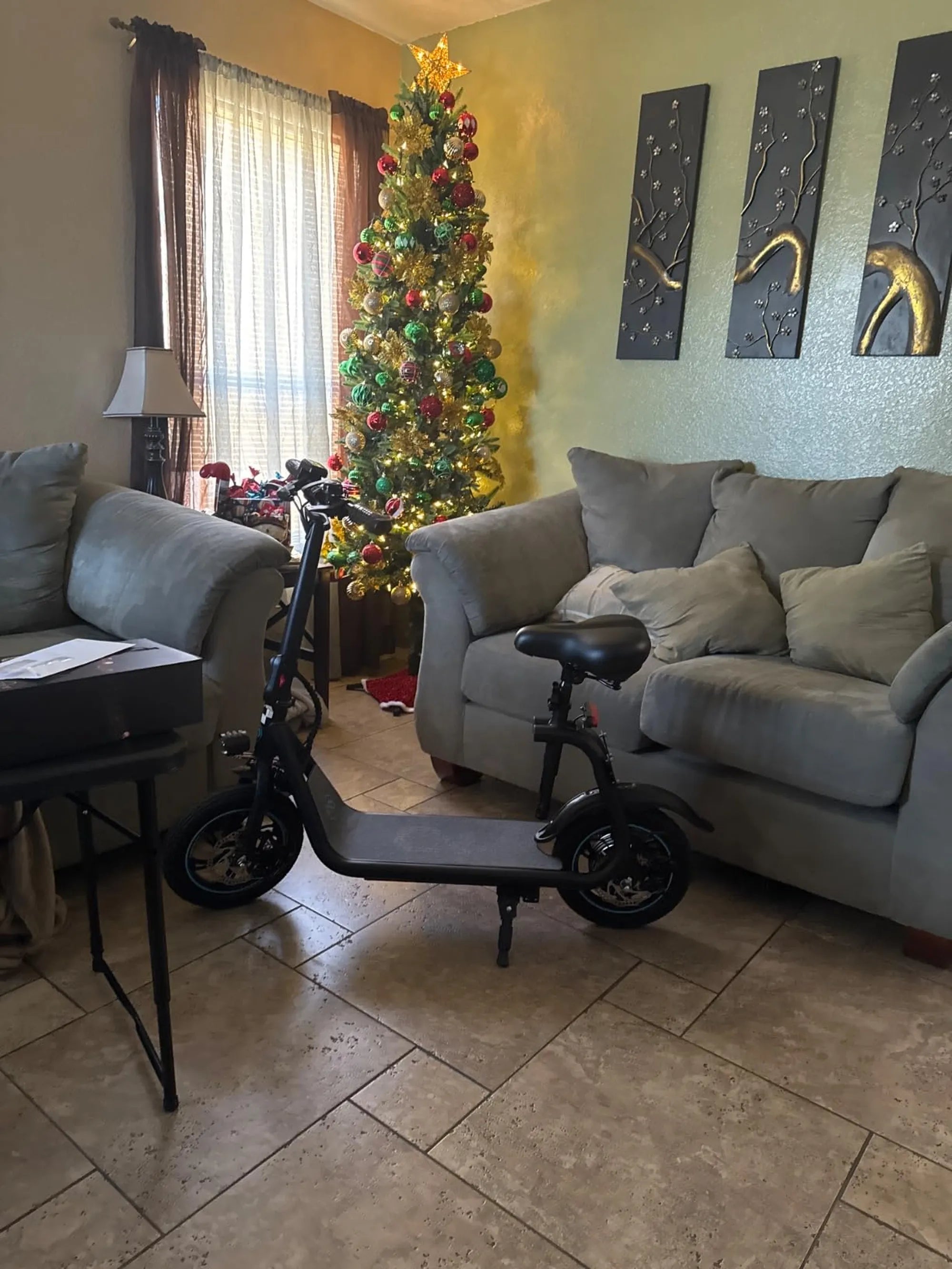
Reclaiming Your Freedom with Electric Mobility Scooters
Regaining personal autonomy is a powerful motivator. For many adults in the UK facing mobility challenges, an electric mobility scooter is not merely a vehicle; it's a key to independence, social connection, and an enhanced quality of life. This guide cuts through the confusion to provide a definitive, trustworthy resource for navigating the UK market. You will learn about legal requirements, how to match a scooter to your lifestyle, and what features ensure safety and reliability for years to come. Our focus is on empowering you with the knowledge to make an informed decision that brings back freedom and opens up new horizons.
Understanding Your Needs: Types of Mobility Scooters in the UK
The UK market categorises mobility scooters primarily by their intended use and legal classification. Understanding these categories is the first critical step. The two main legal classes are Class 2 and Class 3, as defined by the Department for Transport. Your choice will dictate where you can legally ride and what administrative steps are required.
Class 2 mobility scooters are designed for pavement use. They have a maximum speed limit of 4 mph (6.4 km/h). These scooters do not require registration with the DVLA and are not permitted on the road, except to cross it. They are ideal for shopping trips in town centres, visiting friends locally, or navigating parks and pedestrianised areas.
Class 3 mobility scooters are more powerful and versatile. They can be used on both pavements, where they are restricted to 4 mph, and on the road, where they can travel up to 8 mph (12.8 km/h). By law, a Class 3 scooter must be registered with the DVLA, display a nil-duty tax disc, and have lights, reflectors, and indicators when used on the road. This class is perfect for those who need to travel longer distances or on routes that require using public roads.
Beyond legal class, scooters come in different physical styles. Compact or pavement scooters are lightweight, often foldable or easily disassembled for transport in a car. Mid-size 3-wheelers offer a tighter turning circle for manoeuvrability in shops. Robust 4-wheelers provide superior stability for outdoor use on varied terrain, such as country paths or slightly uneven ground.
Key Considerations: Weight, Range, and Terrain
Assessing your personal needs is about more than just legal class. Start by considering your daily use. Where will the scooter be stored? Do you have a ground-floor storage area or will it need to be disassembled? The scooter's weight and dimensions are crucial here.
Next, evaluate your typical journey distances. Manufacturers advertise a maximum range, but real-world range is affected by user weight, terrain, incline, and weather. A good rule is to choose a scooter with a range at least double your longest regular trip to account for these variables and ensure you never run out of power.
Finally, honestly assess the terrain you will encounter. Are there kerbs you need to mount? Do you face steep hills on your route? Will you use it on grass or gravel paths? A scooter with adequate power (measured in watts), good ground clearance, and, for rougher terrain, suspension, is essential for comfort and safety.
The UK Buyer's Checklist: Essential Features and Regulations
Armed with an understanding of your needs, you can now focus on the specific features that matter. This checklist prioritises safety and legal compliance while ensuring daily comfort and practicality.
Safety and Legal Compliance First
Your scooter's safety features are non-negotiable. For any class, effective braking systems—often electronic and regenerative—are paramount. Bright front and rear lights, along with reflectors, are vital for visibility, especially for Class 3 road use. A horn or audible warning device is also a practical safety addition.
UK legal requirements are clear. For Class 3 scooters, registration with the DVLA is mandatory. While a driving licence is not required, it is a legal requirement for Class 3 scooters used on roads to have at least third-party insurance. Many responsible owners of Class 2 scooters also opt for insurance for theft, damage, and public liability protection. Always check the latest GOV.UK guidelines for the most current regulations.
Comfort and Practicality for Daily Life
Comfort directly impacts how much you use your scooter. Look for an adjustable swivel seat with ample padding and back support. An adjustable tiller (the steering column) allows you to find the perfect driving position. Suspension, even in the seat post, can dramatically smooth out bumps on UK pavements.
Practicality is key for integration into your life. Storage is essential; a lockable front basket or under-seat storage keeps shopping and personal items secure. Consider the charging process: is the port easily accessible? Can the battery be removed for charging indoors? For those who travel, a scooter that is easily disassembled or folds compactly is a major advantage.
Why Gyroor Stands Out for UK Riders
In a market filled with options, choosing a brand with a proven track record for reliability and support is crucial. Gyroor, a leading electric scooter and e-bike brand trusted by over 100,000 riders across North America and Europe, brings its engineering expertise to mobility. The brand stands out by directly addressing the specific demands of the UK environment and rider concerns.
Built for Reliability and Peace of Mind
Gyroor's commitment to safety is foundational. All models use UL-certified battery packs, rigorously tested for 500+ charge cycles. This certification is a global benchmark for electrical safety, reducing risks associated with overheating or failure. Furthermore, Gyroor scooters feature IPX5 water-resistant designs, a critical specification for dealing with unpredictable British rain, ensuring components are protected from water spray from any direction.
This engineering quality is backed by a reliable 1-year comprehensive warranty, offering genuine peace of mind. With an average customer rating of 4.5/5, Gyroor’s focus is on delivering durable, trustworthy products that perform day in and day out, allowing riders to focus on their freedom, not on reliability worries.
Model Comparison: Finding Your Gyroor Match
While Gyroor's specific mobility scooter lineup evolves, their design philosophy translates into models suited for different UK user profiles. The table below illustrates the type of specification comparison you should make, based on Gyroor's known standards of battery safety, water resistance, and robust construction.
| Model Type | Legal Class | Max Range* | Weight Capacity | Key Features for UK Use |
|---|---|---|---|---|
| CityGlide Compact | Class 2 | 15 miles | 120 kg | Folding frame, IPX5 rating, removable battery for indoor charging, ideal for urban errands and public transport. |
| UrbanCruiser 3-Wheel | Class 2/3 Toggle | 25 miles | 136 kg | Adjustable seat/tiller, full lighting package, enhanced suspension for pavements, suitable for longer town journeys. |
| CountryRover 4WD | Class 3 | 30 miles | 150 kg | Four-wheel stability, higher ground clearance, all-terrain tyres, powerful motor for hills and park paths. |
*Real-world range varies based on user weight, terrain, and speed.
Navigating Purchase, Support, and Life with Your Scooter
Once you've identified the right type of scooter, navigating the purchase process and planning for long-term ownership are the final steps. A considered approach here ensures a smooth start and years of reliable service.
Where to Buy and What to Ask
You can purchase from specialist mobility shops or reputable online retailers. Physical shops offer the advantage of a personal demonstration and immediate service support. Online retailers often provide a wider selection and competitive pricing. Whichever you choose, ensure the seller is an authorised dealer for the brand to guarantee valid warranties.
Prepare a list of questions. Ask about the warranty details: what is covered, and for how long? Is there a UK-based service network? Do they offer a trial period or a buy-back scheme? Can they assist with DVLA registration for a Class 3 model? Clarifying these points upfront prevents issues later.
Maintenance Tips and Community
Basic maintenance extends your scooter's life and ensures safety. Regularly check tyre pressure; under-inflated tyres reduce range and make steering harder. Keep the battery charged; avoid letting it fully deplete for long periods. Clean the scooter with a damp cloth, avoiding direct water jets on controls. Periodically check all nuts and bolts for tightness.
Connecting with a community can be invaluable. Look for UK-based online forums or local social media groups for mobility scooter users. These communities are excellent for practical tips, route advice, and camaraderie. Sharing experiences with fellow riders can enhance your confidence and enjoyment.
Frequently Asked Questions (FAQs)
Q: Do I need a license or insurance for my mobility scooter?
A: You do not need a driving licence. However, it is a legal requirement to register Class 3 scooters with the DVLA for road use. While only mandatory for Class 3 on roads, third-party insurance is highly recommended for all scooters to cover you in case of an accident involving injury to others or damage to property.
Q: Can I take my mobility scooter on public transport or in a car?
A> Many compact, folding, or easily disassembled models are designed for transport. However, policies vary by bus company, train operator, and taxi firm. You must always contact the service provider in advance to confirm their policy on carrying mobility scooters, including any size or battery restrictions.
Q: How do I charge the scooter, and what is the typical cost?
A: Electric mobility scooters charge via a standard UK 3-pin wall socket using a supplied charger. Running costs are exceptionally low. A full charge for a typical scooter battery consumes less than 1 kWh of electricity, costing less than 10p based on average UK energy prices.
Q: What happens if my scooter needs repair?
A> Choosing a brand with clear UK support is vital. Reputable brands like Gyroor offer warranties and have service networks or provide parts through their dealers. Local mobility shops often provide servicing for major brands. Always refer to your warranty terms first and use authorised service providers to maintain its validity.
Q: Are mobility scooters allowed in all public places?
A: While mobility scooters have access rights to pavements and public spaces, individual private establishments like shops, pubs, or museums set their own policies. The Equality Act 2010 encourages reasonable access, but it's always courteous and practical to check with the venue beforehand if you are unsure.
Your Journey to Independence Starts Here
The path to greater freedom is built on informed choices. Prioritising safety features and legal compliance ensures you ride with confidence. Honestly matching a scooter's capabilities to your personal needs, terrain, and lifestyle guarantees it becomes a helpful companion, not a source of frustration. Selecting a reliable brand with proven safety credentials, like Gyroor with its UL-certified batteries and robust construction, provides the peace of mind to explore further. Reclaim your autonomy, reconnect with your community, and rediscover the joy of effortless movement. Take the next step today by researching models that fit your new criteria. Browse the full Gyroor collection at gyroorboard.com to see how quality engineering can support your journey to independence.
Electric Scooters Cheapest: Your Guide to Smart, Budget-Friendly Rides
Best Electric Scooters With Lithium Battery: Top Picks for 2024