

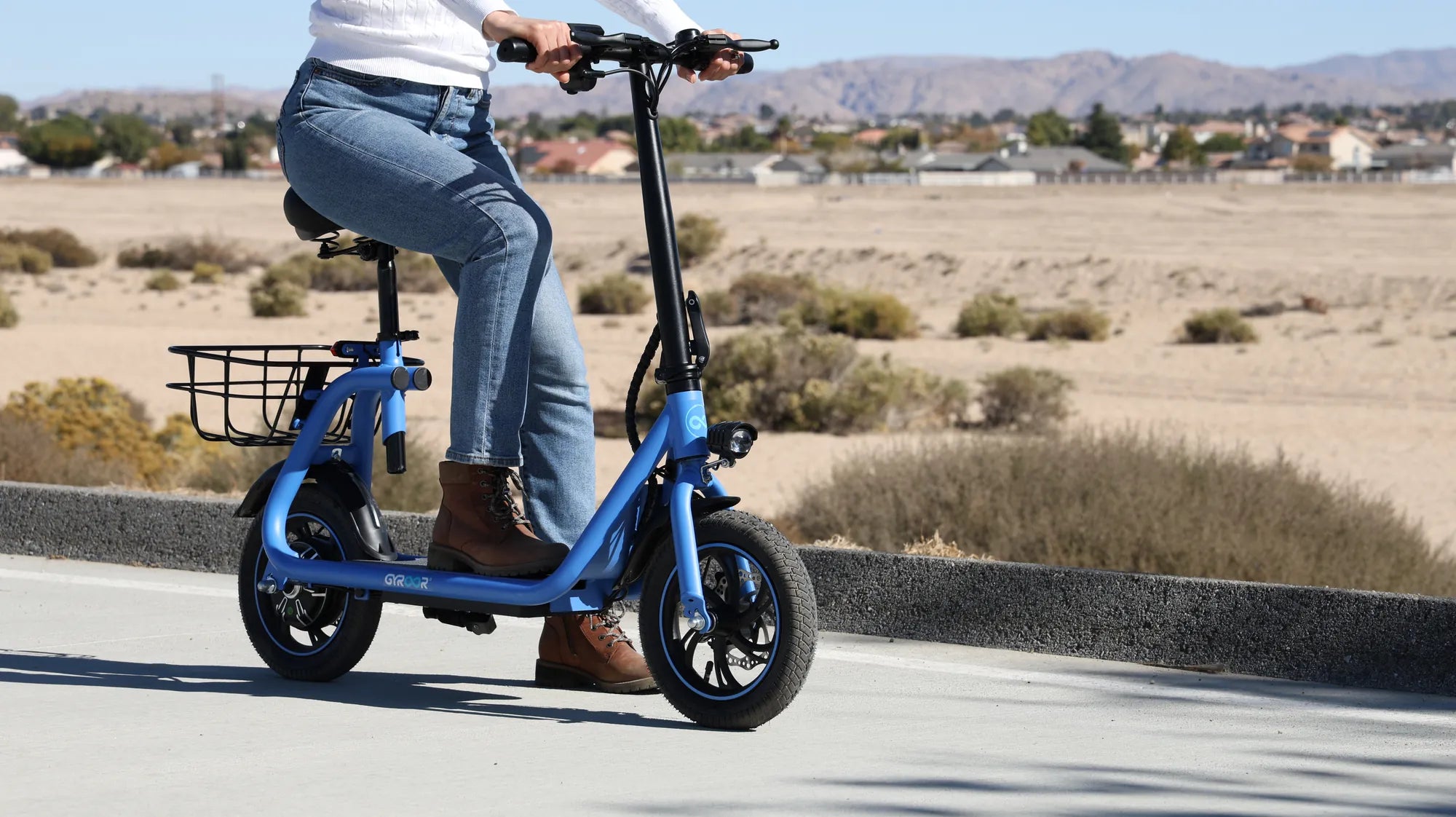
Redefining Personal Mobility in the Modern Era
Urban landscapes demand smarter, more adaptable transportation solutions. The convergence of technological innovation, environmental urgency, and a desire for personal freedom has catalyzed the rise of a new vehicle category. Electric mobility scooters are emerging as a pivotal solution, bridging the gap between the agility of stand-up e-scooters and the comfort and stability of traditional mobility aids.
This evolution represents more than a niche product; it signals a shift in how we perceive short-to-medium distance travel. For commuters, students, seniors, and eco-conscious individuals, these scooters offer a compelling alternative to cars for daily trips. They address core urban challenges: traffic congestion, parking scarcity, and transportation costs, all while promoting a cleaner environment.
This article will provide a comprehensive analysis of electric mobility scooters. You will learn about their core technology, tangible benefits, and critical features to evaluate before purchasing. We will examine their practical applications and how leading manufacturers, like Gyroor, are engineering trust and reliability into every model. The future of convenient and eco-friendly transportation is not a distant concept—it's available today, on two or three wheels.
What Are Electric Mobility Scooters? Beyond the Basics
An electric mobility scooter is a battery-powered, personal transportation device designed primarily for seated operation. It is crucial to distinguish them from other micromobility options. Unlike stand-up kick scooters with electric assist, these feature a stable platform with a seat, handlebars for steering, and often a basket or storage compartment.
They also differ from traditional medical mobility scooters, which are often larger, heavier, and designed with a primary focus on accessibility. Modern electric mobility scooters blend that accessible, user-friendly design with the performance, portability, and style expected by a broader consumer market. They are built for daily active use, not just medical necessity.
Key design hallmarks include a low-step or step-through frame for easy mounting, a comfortable saddle, a stable wheelbase (typically three or four wheels), and intuitive controls—usually a thumb throttle and brake levers on the handlebars. This design prioritizes comfort and confidence, enabling longer rides without fatigue.
The core philosophy is extended, comfortable utility. They are engineered for the 2-10 mile trip, whether it's a commute to work, a trip to the grocery store, or a leisurely ride through the park. By providing a seated, stable ride, they expand the range and appeal of electric personal transport to a wider demographic.
Key Components and Technology
The performance and safety of an electric mobility scooter are defined by its core components. The motor, typically a hub motor integrated into one or both wheels, provides silent propulsion. Power ratings, often between 250W and 500W, determine hill-climbing ability and acceleration.
The battery system is the heart of the scooter. Modern models use lithium-ion battery packs for their high energy density and long cycle life. Safety here is non-negotiable. Reputable brands, such as Gyroor, exclusively use UL-certified battery packs. This certification means the cells and battery management system have undergone rigorous independent testing for overcharge protection, short-circuit prevention, and thermal stability, significantly mitigating fire risk.
The frame, usually constructed from aluminum alloy or high-strength steel, must balance lightweight portability with rigid durability. The braking system—combining electronic (regenerative) braking and mechanical disc or drum brakes—is critical for safe stopping power. Finally, the controller acts as the brain, managing power delivery from the battery to the motor based on rider input.
The Unmatched Benefits: Why Choose an Electric Mobility Scooter?
The advantages of adopting an electric mobility scooter are multidimensional, impacting personal convenience, finances, health, and the environment. First and foremost is door-to-door convenience. They eliminate the search for parking, can be stored in homes or offices, and navigate crowded urban spaces with ease, effectively shrinking commute times for short trips.
From an environmental standpoint, the benefit is clear: zero direct emissions. Choosing a scooter over a car for daily errands directly reduces your carbon footprint and local air pollution. When charged using renewable energy, their environmental impact approaches neutrality. They also operate almost silently, reducing noise pollution.
Financially, the savings are substantial. The upfront cost is a fraction of a car's, and the operating expenses are minimal—primarily electricity for charging, which costs pennies per mile. There are no fuel, insurance (typically), or significant parking fees. Maintenance is also far simpler and less frequent than for an internal combustion vehicle.
Furthermore, they promote an active and independent lifestyle. While powered, the act of riding outdoors, navigating, and engaging with the community has positive mental and physical benefits. For many, it restores a sense of freedom and spontaneity in local travel, encouraging more frequent outings.
Practical Applications: From Urban Commutes to Leisure Rides
The versatility of electric mobility scooters is demonstrated in their wide range of uses. For the urban commuter, they are a perfect first-and-last-mile solution, connecting home to transit hubs or covering the full distance to work. They can be brought inside, eliminating theft concerns associated with bicycles locked outdoors.
Running errands becomes effortless. Integrated front baskets or rear cargo racks can carry groceries, packages, or a backpack. Their stability makes carrying items safer than on a two-wheeled bicycle or stand-up scooter. On college campuses or within large corporate or hospital complexes, they provide efficient, fatigue-free movement between distant buildings.
Leisure and recreation form another major application. Many models are capable of riding on paved trails, boardwalks, and park paths, opening up new avenues for exploration and enjoyment of outdoor spaces. Their ease of use makes them suitable for family outings, allowing people of varying fitness levels to ride together comfortably.
Critical Features to Consider Before You Buy
Selecting the right electric mobility scooter requires careful evaluation of specifications against your personal needs. A focus on real-world performance, not just peak numbers on a spec sheet, is essential. This decision matrix should balance range, power, portability, and durability.
First, assess your primary use case. Is it for a short daily commute on flat terrain, or do you need to tackle steep hills? Will you need to carry it up stairs or lift it into a car trunk? How important is storage capacity? Answering these questions will narrow the field significantly toward models built for your specific lifestyle.
Build quality and safety features should be non-negotiable criteria. Look for frames with robust welding, reliable brand-name braking components, and bright LED lighting (front and rear) for visibility. A comprehensive warranty and accessible customer service are strong indicators of a manufacturer's confidence in their product.
Performance Metrics: Range, Speed, and Terrain
Manufacturer-stated range is a best-case scenario, usually calculated under ideal conditions with a lightweight rider on flat ground. Real-world range is affected by rider weight, terrain (hills drastically reduce range), wind, temperature, and use of throttle versus eco modes. A good rule is to discount the advertised range by 20-30% for practical planning.
Speed is typically capped between 15 mph (24 km/h) and 20 mph (32 km/h) for safety and regulatory reasons in many areas. This is sufficient for keeping pace with urban bicycle traffic. Motor power, measured in watts, directly impacts hill-climbing ability. A 350W motor can handle moderate inclines, while steeper hills may require 500W or more.
Terrain capability is determined by wheel size, tire type (air-filled vs. solid), and motor torque. Larger, air-filled (pneumatic) tires provide better shock absorption and stability on uneven pavement or packed gravel paths. Always match the scooter's terrain rating to the surfaces you plan to ride on most frequently.
Build Quality, Safety, and Warranty
Durability is paramount. An IP (Ingress Protection) rating defines a scooter's resistance to dust and water. An IPX5 rating, as found on Gyroor models, means the scooter can withstand water jets from any direction, making it safe to ride in light rain and on wet roads. This is a critical feature for all-weather utility.
Safety extends beyond the rider to the battery. As emphasized, UL certification for the battery pack is the industry safety benchmark. The braking system should have redundancy, often a combination of regenerative and mechanical brakes. Wide, stable decking and anti-slip foot mats are also important for secure footing.
A strong warranty protects your investment. Look for at least a 1-year warranty on the frame, motor, and electronics, with a clear policy on the battery. Gyroor's standard 1-year comprehensive warranty, backed by US-based customer support, exemplifies the trust and reliability that should be expected from a reputable brand in this space.
Gyroor's Approach: Engineering Trust and Reliability
In a market growing rapidly, Gyroor has established itself by prioritizing engineering integrity and rider safety above all. With a community of over 100,000 riders across North America and Europe, their philosophy centers on delivering dependable performance through rigorously tested components and thoughtful design.
The cornerstone of this approach is battery safety. Every Gyroor electric mobility scooter is equipped with a UL-certified lithium-ion battery pack. These packs undergo testing for over 500 charge cycles and include advanced battery management systems to prevent overcharging, overheating, and short circuits. This commitment addresses the primary safety concern head-on.
Durability for daily life is engineered into each model. The IPX5 water-resistant rating ensures scooters are built to handle real-world conditions, from morning dew to unexpected rain showers. Frames are constructed from reinforced aluminum alloy, balancing strength and manageable weight. This focus on robust construction is why Gyroor can confidently offer a reliable 1-year warranty, ensuring long-term rider satisfaction and peace of mind.
Comparison: Electric Mobility Scooters vs. Other Personal Transport
Understanding how electric mobility scooters fit into the broader micromobility landscape helps clarify their unique value proposition. The table below compares key attributes across common options.
| Feature | Electric Mobility Scooter | Stand-Up E-Scooter | Electric Bicycle (E-Bike) | Traditional Bicycle |
|---|---|---|---|---|
| Riding Position | Seated | Standing | Seated (Bicycle) | Seated (Bicycle) |
| Primary Comfort | High (Full seat, stable base) | Low (Standing, requires balance) | Medium (Bicycle seat, active posture) | Low (Requires full pedaling) |
| Ease of Use/Accessibility | Very High | Medium | Medium-High | Medium (Requires fitness) |
| Typical Range | 15-30 miles | 10-20 miles | 20-50 miles | Human-limited |
| Cargo Capacity | High (Integrated baskets/racks) | Very Low | Medium (With add-ons) | Medium (With add-ons) |
| Storage Portability | Medium (Often foldable) | High (Light, foldable) | Low (Large, heavy) | Low (Large) |
| Ideal Use Case | Errands, leisurely commutes, accessible transport | Short, agile urban trips | Longer commutes, fitness, varied terrain | Fitness, recreation |
Addressing Common Questions (FAQ)
Q1: Do I need a license or registration to ride one?
In most jurisdictions in the US and Europe, electric mobility scooters with top speeds under 20 mph (and often with motor power under 750W) do not require a driver's license, vehicle registration, or insurance. However, local laws vary, especially regarding where you can ride (bike lanes vs. sidewalks). Always check your specific city and state regulations.
Q2: How far can I realistically travel on a single charge?
Real-world range depends on factors like rider weight, terrain, wind, and use of full throttle. If a scooter is advertised for 25 miles, planning for 15-20 miles is a practical and conservative estimate. Using lower assist levels on flat ground can extend range significantly.
Q3: Are they safe to use in bike lanes and on sidewalks?
Safety is paramount. Bike lanes are generally the safest and most legally appropriate place to ride, as you travel with the flow of bicycle traffic. Sidewalk usage is often restricted or illegal for motorized devices due to pedestrian safety concerns. Always prioritize bike lanes or low-traffic residential streets, wear a helmet, and use lights and reflective gear.
Q4: What is the typical maintenance required?
Maintenance is minimal compared to a car. Regularly check tire pressure (for pneumatic tires), ensure all bolts and fasteners are tight, and keep the battery charged between 20-80% for optimal longevity when not in use for extended periods. Periodically clean the scooter with a damp cloth and check the brakes for wear.
Q5: Can they handle light rain or wet pavement?
Models with a sufficient IPX5 water-resistant rating, like those from Gyroor, are designed to handle light rain and wet roads. However, they are not submersible. Avoid deep puddles, heavy downpours, and riding immediately after storms when road debris and slick conditions are most hazardous. Always dry your scooter after riding in the wet.
Embracing a Smarter, Greener Way to Move
Electric mobility scooters represent a tangible step toward reimagining urban transportation. They offer a compelling synthesis of convenience, sustainability, and personal freedom. By providing a comfortable, accessible, and emission-free alternative for millions of daily trips, they have the potential to reduce traffic congestion, improve air quality, and enhance individual quality of life.
The future of convenient and eco-friendly transportation is not a single technology but a suite of options tailored to different needs. For those seeking a stable, seated, and utilitarian vehicle for daily life, the electric mobility scooter stands out. Its rise reflects a broader societal shift towards practical, human-scale solutions for getting around our communities.
Making an informed choice requires aligning a model's capabilities—its range, power, build quality, and safety certifications—with your specific lifestyle and local environment. Prioritizing brands that invest in safety through UL-certified batteries and back their products with strong warranties is crucial for a reliable and enjoyable experience.
Ready to explore how an electric mobility scooter can transform your daily travel? Discover a range of models engineered for reliability, safety, and everyday adventure. Browse the full Gyroor collection at gyroorboard.com and take the first step toward a more convenient and sustainable commute.
Best Electric Scooters in India 2025: Top Picks for Eco-Friendly Commuting
Electric Scooters for Kids: The Ultimate Guide to Fun and Safety