




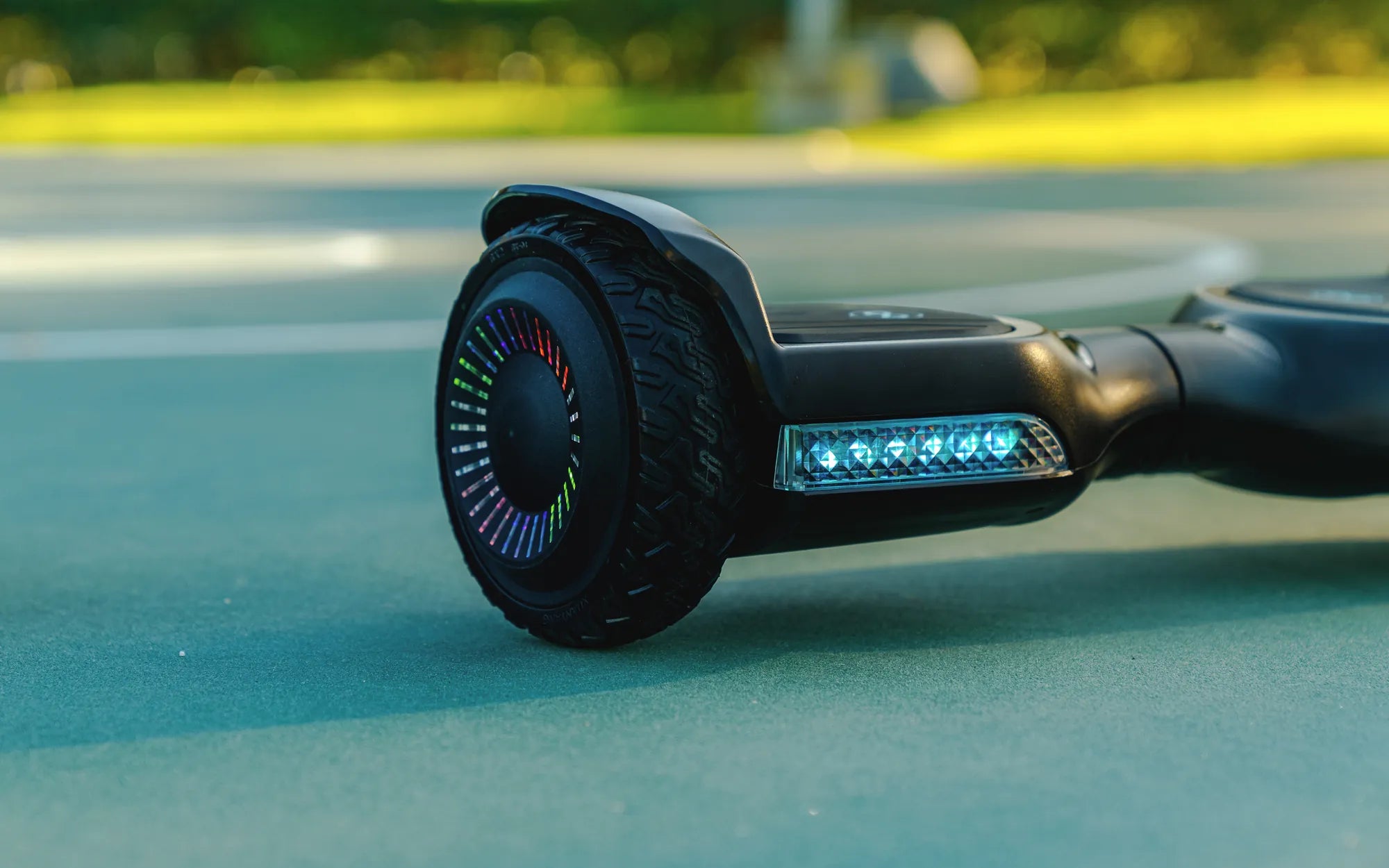
Choosing an electric moped scooter for kids is a significant decision that blends excitement with serious safety considerations. This guide provides the data-driven insights and practical framework you need to navigate the market, prioritize safety, and select a vehicle that delivers fun without compromising on protection. You will learn how to evaluate key specifications, establish non-negotiable riding rules, and understand the maintenance that ensures long-term reliability and safety for your young rider.
The Rise of Electric Mopeds for Young Riders
Electric moped scooters represent a rapidly growing segment in personal electric mobility for children and teens. They fill a unique niche between traditional stand-up kick scooters and full-sized electric bicycles. This hybrid design offers a sense of independence and a more mature riding posture that appeals strongly to young riders.
The appeal is multifaceted. For the child, it provides a thrilling, autonomous form of outdoor play. For parents, it can be a tool to encourage outdoor activity and teach responsibility. Market data indicates a consistent year-over-year growth in sales for this category, reflecting its increasing popularity as a birthday or holiday gift for ages 8 and up.
However, this popularity necessitates informed purchasing decisions. Not all products are created equal, and safety standards can vary widely. The core of a good purchase lies in understanding the engineering and specifications that separate a durable, safe vehicle from a poorly constructed one. This guide focuses on those critical differentiators.
The ultimate goal is to facilitate joyful memories and outdoor adventure. Achieving this requires a foundation built on verified safety features, clear usage rules, and proper protective gear. We will dissect each of these elements in detail, providing a roadmap for a safe and enjoyable introduction to electric mobility.
What is an Electric Moped Scooter for Kids? Defining the Category
An electric moped scooter for kids is a battery-powered, two-wheeled vehicle designed with a step-through frame, allowing the rider to sit while operating it. This distinguishes it fundamentally from stand-up electric scooters, which require the rider to remain standing throughout the journey. The design is inspired by classic mopeds and motorcycles, offering a more substantial and engaging riding experience.
Key characteristics include a welded or bolted frame that supports a seat, a deck for foot placement, and handlebars with a throttle and brake controls. Most models feature larger wheels (typically 8 to 10 inches in diameter) compared to standard scooters, which contributes to better stability and the ability to handle minor road imperfections. The motor is usually hub-mounted in one of the wheels.
These scooters are not toys in the traditional sense but are classified as personal electric vehicles. They have defined performance parameters including wattage, voltage, speed, and range. Understanding these specifications is the first step in making an appropriate choice for your child's age, size, and skill level. It is a category where build quality directly correlates with safety.
The aesthetic is a major part of the appeal. Manufacturers like Gyroor design these scooters with sleek lines, integrated lighting, and color schemes that resonate with young riders. This "cool factor" should be balanced with a rigorous assessment of the underlying components, from the battery management system to the braking mechanism.
Key Features and Safety Specifications to Look For
When evaluating an electric moped scooter for kids, certain features are non-negotiable for safety and performance. These specifications form a checklist that parents should use to compare models.
Motor Power & Speed Limits: Motor wattage for kids' models typically ranges from 100W to 350W. More important than peak power is the presence of multiple, adjustable speed modes. A beginner mode limiting speed to 5-7 mph (8-11 km/h) is essential for initial learning. Intermediate and advanced modes may allow speeds up to 10-15 mph (16-24 km/h). A remote parental speed limiter or PIN-protected settings provide an added layer of control.
Battery Safety & Certification: This is the most critical safety component. Insist on a scooter that uses a UL 2271 or UL 2843 certified lithium-ion battery pack. This certification means the battery has undergone rigorous testing for electrical, mechanical, and environmental safety, drastically reducing fire risk. Brands that prioritize safety, like Gyroor, use these certified packs exclusively. Range varies but expect 8-15 miles per charge for most youth models.
Build Quality & Durability: The frame should be constructed from reinforced aluminum alloy or high-grade steel, offering a robust structure without excessive weight. Check the manufacturer's stated maximum weight capacity; it should comfortably exceed your child's weight. Braking systems are paramount: a combination of an electronic (e-brake) and a mechanical disc or drum brake offers reliable stopping power and redundancy.
Water & Dust Resistance: An IP rating indicates protection against solids and liquids. An IPX5 rating, common in better-built models, means the scooter can withstand water jets from any direction. This is crucial for real-world use, allowing the scooter to safely traverse wet pavement or endure a sudden rain shower without electrical damage. It is a key feature of Gyroor's design philosophy.
Choosing the Right Model: A Parent's Decision Framework
Selecting the perfect electric moped scooter requires matching the product's capabilities to your child's profile and your local environment. A framework based on age, skill, and terrain will lead to a more satisfying and safe outcome.
Start with the child's physical attributes and maturity. A scooter that is too large or powerful can be intimidating and dangerous, while one that is too small will be outgrown quickly. The child's ability to follow instructions, understand cause-and-effect, and demonstrate situational awareness is as important as their physical size. Always supervise initial rides regardless of age.
Next, consider the primary riding environment. Will it be used exclusively on smooth, paved sidewalks in a quiet neighborhood? Or are there gravel paths, grassy fields, or slightly uneven surfaces involved? The intended terrain dictates requirements for wheel type, suspension, and motor torque. A mis-match here can lead to poor performance and increased accident risk.
Finally, factor in practicalities like portability (weight), charge time, and available storage. A heavier scooter may be more stable but difficult for a child to maneuver when not riding. Weigh these practical concerns against the performance features to find the optimal balance for your family's lifestyle.
Age, Height, and Skill Level Recommendations
The following table provides general guidelines for matching scooter specifications to a rider's age and size. These are recommendations; individual maturity and experience should be the final arbiters.
| Age Group | Recommended Frame Size | Max Speed Limit | Motor Power | Key Considerations |
|---|---|---|---|---|
| 8 - 10 years | Small (Seat Height < 24") | ≤ 10 mph (16 km/h) | 100W - 150W | Must have beginner speed mode. Focus on stability and simple controls. Constant adult supervision required. |
| 11 - 13 years | Medium (Seat Height 24"-28") | ≤ 15 mph (24 km/h) | 150W - 250W | Adjustable speed modes crucial. Rider should demonstrate proficiency with braking and steering. Gear is mandatory. |
| 14+ years | Large (Seat Height > 28") | 15+ mph (24+ km/h) | 250W - 350W | Approaching adult specifications. Rider must show high responsibility, knowledge of traffic rules (if applicable), and consistent use of safety equipment. |
Terrain and Use-Case Considerations
The riding surface has a direct impact on scooter selection. For smooth pavement and sidewalks, scooters with solid or air-filled tires between 8.5" and 10" will perform well. A front or dual suspension system, while not always necessary on perfect asphalt, adds significant comfort and control on rougher paved surfaces like older sidewalks with cracks.
For mixed terrain including hard-packed dirt, gravel paths, or grassy fields, specific features become essential. Larger air-filled (pneumatic) tires (9.5" or larger) provide necessary traction and shock absorption. A more powerful motor (200W+) offers the torque needed for mild inclines on loose surfaces. Enhanced ground clearance prevents the undercarriage from scraping on uneven ground.
Always err on the side of caution. A scooter built for mild off-road use will handle pavement perfectly, but a pavement-only scooter can be dangerous and prone to damage on trails. If your child's riding will vary, choose a model with the robustness to handle the toughest expected condition. This is where brands like Gyroor, which engineer for durability, provide significant value.
The Gyroor Advantage: Engineered for Young Riders' Safety
With over 100,000 riders across North America and Europe, Gyroor has established itself as a leader by directly addressing the core safety concerns of parents. Their approach to engineering electric moped scooters for kids is defined by certified safety, durable construction, and reliable support.
Peace of Mind with UL-Certified Batteries: Every Gyroor scooter is powered by a UL-certified lithium-ion battery pack. This is not a marketing claim but a verifiable safety standard. These batteries undergo testing for overcharge, short circuit, impact, and crush scenarios, ensuring exceptional stability through hundreds of charge cycles. This certification is the single most important feature for preventing battery-related incidents.
Built to Last and Withstand Play: Understanding that kids are not gentle users, Gyroor designs with resilience. The IPX5 water-resistant rating means the electrical systems are protected from splashes, puddles, and rain, allowing for carefree riding in various weather conditions. Frames are constructed from high-tensile materials, and components are selected for their ability to endure the bumps and vibrations of daily use.
Protected Investment with Comprehensive Warranty: Gyroor backs its products with a reliable 1-year warranty, covering manufacturing defects. This warranty, supported by US-based customer service, provides a tangible safety net for your purchase. It reflects confidence in their product's longevity and a commitment to supporting customers, turning a scooter from a disposable item into a lasting investment in fun.
Essential Safety Gear and Riding Rules
The safest scooter is ineffective without the right gear and rules. This section outlines the mandatory protective equipment and the behavioral framework that must accompany every ride.
The Non-Negotiable Safety Kit
Helmets are legally required in most regions and should be non-negotiable in all. Use a CPSC-certified bicycle or multi-sport helmet that fits snugly. It must be replaced after any significant impact. Beyond the helmet, knee and elbow pads are crucial for protecting joints during falls. Padded gloves protect hands during spills and improve grip.
High-visibility clothing or accessories, such as a reflective vest or ankle bands, are highly recommended, especially if riding near dusk or in areas with occasional vehicle traffic. Proper closed-toe shoes with good grip (like sneakers) are essential; never allow riding in sandals or flip-flops. This kit should be worn for every single ride, no matter how short.
Establishing Household and Community Riding Rules
Clear, consistent rules set expectations and prevent misunderstandings. Establish these rules before the first ride and enforce them without exception.
- Gear is Mandatory: No gear, no ride. This is the foundational rule.
- Supervision Zones: Define areas where adult supervision is required. For younger riders, this may be everywhere.
- No Road Riding: Prohibit riding on streets with vehicle traffic. Stick to sidewalks, bike paths, and designated parks.
- Pedestrian Priority: Riders must yield to pedestrians, announce passes politely ("On your left!"), and maintain a safe speed in crowded areas.
- Daylight & Dry Conditions: Restrict riding to daylight hours and dry pavement. Wet surfaces drastically reduce tire traction and braking effectiveness.
- Pre-Ride Inspection: Make a quick check of the scooter (brakes, tires, loose parts) part of the routine.
Pre-Ride Checklist and Maintenance Basics
Responsible ownership extends beyond the ride. Simple, regular maintenance ensures the scooter remains safe, reliable, and fun for years.
The 5-Point Pre-Ride Inspection: This 60-second check should become a habit. 1) Tires: Check for proper inflation (if pneumatic) and look for cracks or excessive wear. 2) Brakes: Squeeze the brake levers to ensure they engage firmly and stop the wheel. 3) Fasteners: Give handlebars, stem, and seat a shake to check for loose bolts. 4) Battery: Verify adequate charge for the planned trip. 5) Lights: Test headlight and taillight (if equipped) to ensure visibility.
Basic Maintenance for Longevity: Battery care is paramount. Avoid letting the battery fully deplete; recharge after use. Store the scooter and battery in a cool, dry place, away from direct sunlight and freezing temperatures. For optimal battery health, maintain a charge between 30% and 80% for long-term storage. Clean the scooter with a damp cloth; avoid high-pressure hoses that could force water into electronics.
Safe Storage Solutions: When not in use, store the scooter in a secure location like a garage or shed. If storing for an extended period (over a month), charge the battery to approximately 60% and check it every few months. Use a lock to secure the scooter, preventing unauthorized use or theft. Proper storage protects your investment and ensures it's ready for the next adventure.
Frequently Asked Questions (FAQ)
Q: What is the appropriate age for an electric moped scooter?
A: Most manufacturers recommend ages 8 and up, but age is less important than maturity, physical size, and coordination. A responsible 8-year-old with supervision may be ready, while an impulsive 10-year-old may not be. Always refer to the manufacturer's age and weight guidelines and use the speed limiting features for beginners.
Q: Are they legal to ride on sidewalks or in parks?
A: Laws vary significantly by city, county, and state. Generally, they are permitted on sidewalks (with pedestrian caution) and in parks unless specifically posted otherwise. They are almost universally prohibited on public roads. It is the parent's responsibility to check local ordinances regarding electric personal assistive mobility devices (EPAMDs) or similar classifications.
Q: How long does the battery take to charge, and how far can it go?
A> Charge times typically range from 3 to 6 hours for a full charge from empty. Range is affected by rider weight, terrain, speed, and temperature. Under ideal conditions, most kids' models offer a range of 8 to 15 miles (13-24 km) per charge. Using lower speed modes can extend the range significantly.
Q: Can the speed be limited for beginners?
A> Yes, this is a critical feature. High-quality scooters like those from Gyroor offer 2 or 3 speed modes selectable via the display or a companion app. Beginner modes often limit speed to 5-7 mph. Some models offer remote parental control via Bluetooth, allowing you to set and lock the maximum speed from your phone.
Q: What is the weight limit?
A> Weight limits are set by the manufacturer based on frame and component strength. Common limits for youth models range from 120 lbs (54 kg) to 180 lbs (82 kg). Exceeding this limit can stress the frame, damage the motor, and compromise braking performance, creating a serious safety hazard. Always choose a scooter with a limit well above your child's current weight.
Fostering Fun with Responsibility
An electric moped scooter for kids can be a gateway to outdoor adventure, physical activity, and valuable lessons in responsibility. The key to unlocking this positive experience is an unwavering commitment to safety at every stage. This begins with selecting a scooter built with verified safety standards like UL-certified batteries and robust construction, continues with the mandatory use of protective gear, and is sustained through clear rules and regular maintenance.
By using the framework in this guide—prioritizing certified components, matching the scooter to your child's capabilities, and establishing a culture of safe riding—you transform a simple purchase into a long-term investment in joyful memories. The right scooter, used correctly, teaches care for equipment, awareness of surroundings, and respect for rules.
Ready to explore models that are engineered with these safety-first principles? Discover a range of durable, fun, and reliable electric moped scooters designed for young riders. Browse the full Gyroor collection at gyroorboard.com to find the perfect match for your family's next adventure.
Best Scooter for Big Kids: Top Picks for Fun and Safety
Hoverboard Lowest Price: How to Find the Best Deals Without Compromising Quality