



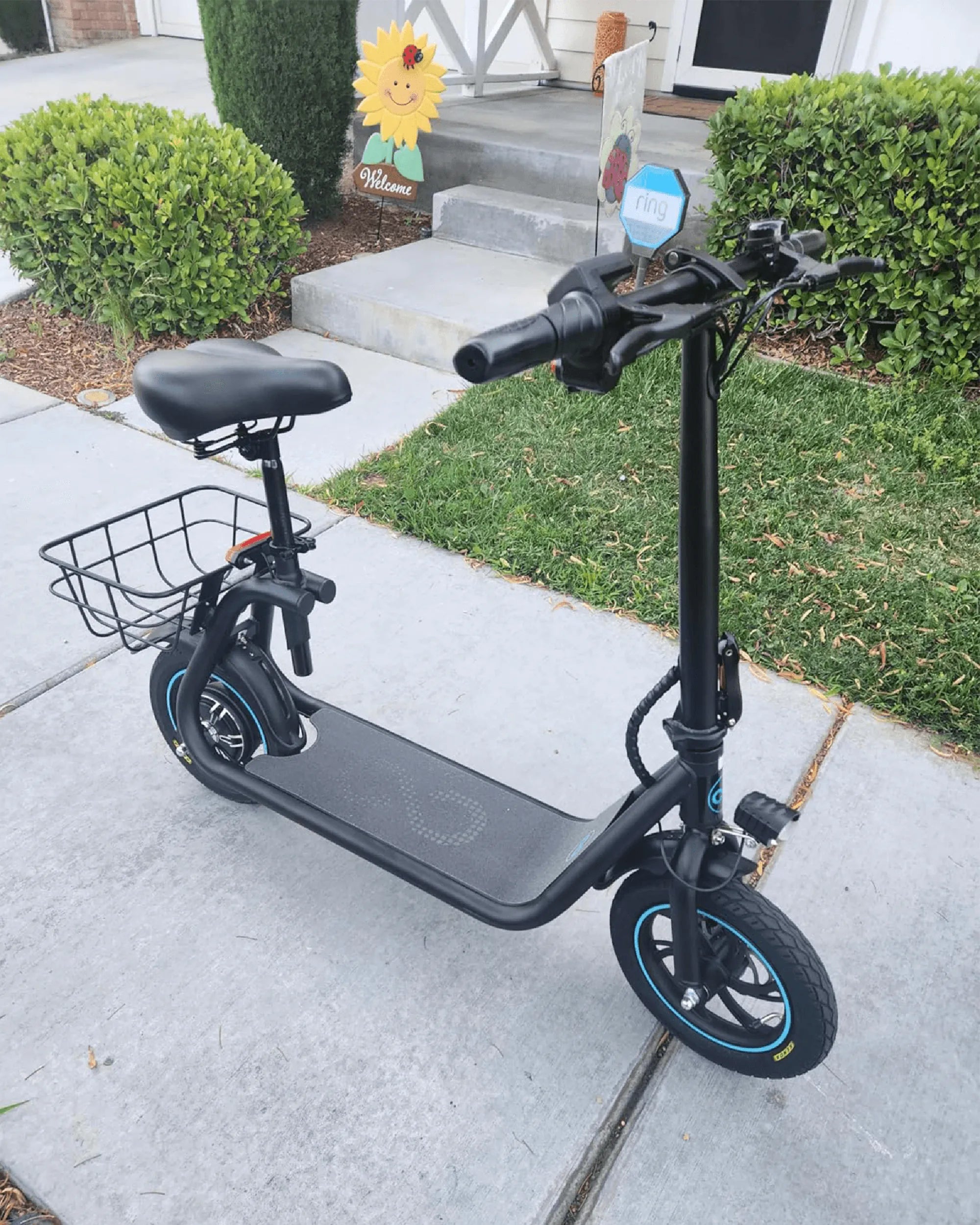
Navigating UK city centres has become a complex equation of congestion charges, crowded public transport, and soaring costs. A new, efficient variable is solving this daily problem: the electric road scooter. Offering a direct, cost-effective, and emission-free mode of transport, these personal electric vehicles are poised to redefine how we move. This article provides a comprehensive analysis of Electric Road Scooters UK: The Future of Urban Commuting, examining the legal framework, practical benefits, and critical features you need for a safe and reliable ride. You'll learn how to select a scooter engineered for UK weather and roads, understand the evolving regulations, and discover why brands like Gyroor, with over 100,000 users, are leading with safety-first design.
Understanding UK Law: The Current Landscape for E-Scooters
The legal status of privately-owned electric scooters in the UK is currently the most significant barrier to their widespread adoption on public roads. Under the Highway Act 1835 and the Road Traffic Act 1988, an e-scooter is classified as a "powered transporter," treated similarly to a motor vehicle. This means to be used legally on public roads and cycle lanes, they would require registration, tax, insurance, and a driving licence, which is not a feasible process for these products as they stand.
Consequently, riding a privately-owned e-scooter on public roads, pavements, or cycle lanes is illegal. The only legal place to use one is on private land with the landowner's permission. This contrasts sharply with the government-backed rental trials running in selected towns and cities across the UK. These trial schemes use geofenced, speed-limited, and insured scooters to gather data on safety and public impact.
The future, however, points toward change. The Department for Transport has conducted extensive consultations on micromobility vehicle regulation. The anticipated outcome is the formal legalisation of certain privately-owned e-scooters, with strict safety standards. This move is driven by the clear potential of e-scooters to reduce congestion and pollution. For consumers, the key takeaway is to purchase a scooter from a reputable brand that is proactively designing its models to meet these forthcoming UK-specific standards for lighting, speed, and power.
Leading brands are not waiting for legislation to catch up. Companies like Gyroor design their electric road scooters with features such as robust lighting systems, audible warnings, and programmable speed limits that align with the expected requirements for future road-legal status. This forward-thinking approach ensures that when the law changes, riders are already equipped with compliant, safe vehicles, rather than obsolete models.
Why an Electric Road Scooter is Your Ideal UK Commute Companion
The economic argument for an electric scooter in the UK is compelling. With the average annual cost of running a car in London exceeding £3,500 and a monthly public transport pass often costing over £150, the potential for savings is vast. An electric scooter, after the initial purchase, costs mere pence to charge. For commuters facing Ultra Low Emission Zone (ULEZ) and Congestion Charge fees, which can add up to thousands per year, an emission-free scooter presents a direct financial reprieve.
Beyond cost, time efficiency is a major draw. Electric scooters excel in "last-mile" connectivity, seamlessly bridging the gap between home, public transport hubs, and the final destination. They bypass traffic jams and eliminate the wait times associated with buses and trains. This door-to-door convenience can shave significant minutes—or even hours—off a weekly commute, offering predictability that public transport often lacks.
Environmental impact is a driving force for many adopters. With the UK's legally binding net-zero targets, personal transport choices matter. Electric scooters produce zero tailpipe emissions, directly contributing to cleaner air in urban centres. Their small physical and carbon footprint, from manufacturing to daily use, is a fraction of that of a car, aligning personal mobility with broader environmental goals.
Finally, the convenience factor is unmatched. Modern electric road scooters are designed for portability, with many models weighing under 15kg and featuring folding mechanisms. This allows for easy carrying on trains, storage under a desk, or transport in a car boot. This multi-modal flexibility makes them an adaptable tool for complex urban journeys, freeing riders from the constraints of fixed routes and schedules.
Conquering the British Weather: Engineering for Rain and Shine
The UK's reputation for unpredictable weather is well-earned, making water resistance a non-negotiable feature for any vehicle used year-round. The IP (Ingress Protection) rating is critical here. A rating of IPX5, a standard feature across Gyroor's scooter range, means the scooter is protected against water jets from any direction. This allows for safe riding in light to moderate rain and on wet roads, preventing water damage to critical electrical components like the battery and motor controller.
Tyre choice dramatically affects performance and safety on UK roads, which are often plagued by potholes and uneven surfaces. Pneumatic (air-filled) tyres offer superior shock absorption and grip, especially on wet cobblestones or asphalt, providing a smoother and more stable ride. Solid or airless tyres eliminate the risk of punctures but can result in a harsher ride and less traction in wet conditions. Some advanced models feature tubeless pneumatic tyres with sealant for the best of both worlds.
Braking systems must be reliable in all conditions. A combination of braking mechanisms is ideal. Electronic (e-brake) and regenerative braking help slow the scooter while recapturing some energy, but a primary mechanical brake—either a disc brake or a robust drum brake—is essential for consistent, fail-safe stopping power on steep hills or sudden stops in the rain. Quality suspension, whether spring-based or hydraulic, is also vital for comfort and control on Britain's varied road surfaces.
Beyond the hardware, rider preparedness is key. Using bright, always-on lights (even during the day), wearing high-visibility clothing, and adjusting riding style for wet conditions—smoother acceleration, earlier braking, and avoiding painted road markings—are essential practices for safe all-weather commuting in the UK.
Choosing Your Scooter: A Data-Driven Comparison for UK Riders
Selecting the right electric road scooter requires matching specifications to your specific commute and local terrain. Key metrics include motor power (measured in watts), which determines hill-climbing ability; battery capacity (watt-hours, Wh), which dictates range; and the scooter's weight and portability. For future UK compliance, a maximum speed of 15.5 mph (25 km/h) is expected to be the legal limit on public roads and cycleways.
The following table compares three exemplary models from Gyroor's lineup, each engineered with UK conditions and anticipated regulations in mind.
| Model | Motor & Speed | Range & Battery | Key Features for UK | Best For |
|---|---|---|---|---|
| Gyroor F1 Pro | 350W Motor, Up to 18 mph* | Up to 18 miles, 36V 10.4Ah UL-Certified | IPX5 Water Resistance, Front Suspension, Dual Braking (E-ABS + Disc), LED Display | Daily urban commuters needing comfort and reliability for moderate distances. |
| Gyroor S1 Max | 500W Peak Motor, Up to 19 mph* | Up to 25 miles, 48V 10.4Ah UL-Certified | IPX5 Rating, Dual Suspension, Tubeless Pneumatic Tyres, Advanced App Connectivity | Riders with longer commutes or hilly routes seeking premium performance and comfort. |
| Gyroor Z1 Pro | 300W Motor, Up to 15.5 mph | Up to 15 miles, 36V 7.5Ah UL-Certified | Ultra-Portable (27 lbs), One-Step Folding, IPX5, Integrated Lighting | Multi-modal commuters who need maximum portability for train/bus integration. |
*Speed can be limited via app or settings to comply with anticipated UK regulations. Real-world range varies based on rider weight, terrain, temperature, and riding style.
When analysing these specs, consider your daily round-trip distance with a 20-30% buffer for battery degradation over time and colder weather. The UL-certified battery, common to all Gyroor models, is a critical safety benchmark, indicating rigorous testing for stability and fire prevention. The IPX5 rating ensures all models are prepared for typical British drizzle.
The Gyroor Advantage: Safety and Engineering Peace of Mind
In a market where battery safety is paramount, Gyroor's commitment to UL-certified battery packs is a fundamental differentiator. UL certification involves extensive testing for overcharge, short circuit, and extreme temperature performance. This independent validation means the battery powering your scooter has been proven to a high safety standard, reducing risk and ensuring longevity through 500+ charge cycles.
This engineering-first philosophy extends to the comprehensive 1-year warranty covering the scooter, battery, and charger. For UK riders, this warranty, backed by a brand with a proven track record across North America and Europe, offers significant peace of mind. It protects against manufacturing defects, ensuring your investment is secure. Coupled with accessible customer support, it removes the anxiety often associated with complex electrical products.
Build quality is tailored for demanding daily use. From the aircraft-grade aluminium frames to the water-resistant cabling and secure folding mechanisms, every component is selected for durability. Features like bright, always-on headlights and taillights, reflectors, and audible bells or horns are integrated not as afterthoughts but as core safety elements, demonstrating a design ethos that prioritises the rider's safety in real-world conditions.
This holistic approach—from cell-level battery safety to robust mechanical design and strong customer protection—defines the Gyroor advantage. It represents a shift from viewing e-scooters as disposable gadgets to recognising them as serious personal transport tools that demand serious engineering and support.
Beyond the Commute: Scooters for UK Leisure and Errands
The utility of an electric road scooter extends far beyond the daily trip to the office. On weekends, they become tools for leisure and exploration. In parks and on dedicated trails where local bylaws permit, scooters offer a fun and effortless way to cover more ground. They are perfect for casual rides along river paths or for exploring city centres without the fatigue of walking.
For practical errands, scooters excel at short trips that are too far to walk but inconvenient by car. A quick run to the local shops, the post office, or a café becomes faster and more enjoyable. Many models, especially those with sturdy decks and optional carry bags, can easily accommodate a few grocery bags, reducing reliance on car trips for small purchases and further cutting personal carbon emissions.
Security is a crucial consideration for leisure use. Investing in a high-quality, hardened steel D-lock designed for bicycles is essential when parking in public. Whenever possible, secure the scooter to a fixed, immovable object in a well-lit, busy area. Using built-in cable locks as a secondary deterrent or removing the display unit (if easily detachable) can further discourage opportunistic theft.
This versatility transforms the scooter from a single-purpose commuter tool into a central component of a car-lite or car-free lifestyle. It encourages local exploration, reduces small car journeys, and promotes a more active and engaged relationship with your local urban environment, all while providing a consistent sense of fun and freedom.
Mastering Your Ride: Essential Safety and Maintenance Tips
Safety begins before the first ride. Always wear a helmet that meets safety standards—this is non-negotiable. Consider additional protective gear like knee and elbow pads, especially when learning. Before each journey, perform a quick pre-ride check: inspect tyre pressure and for damage, test the brakes, ensure lights are functioning, and verify the folding mechanism (if present) is securely locked.
On the road, defensive riding is paramount. Assume that car drivers may not see you. Obey all traffic signs, signal your intentions clearly, and never ride on the pavement. Use designated cycle lanes where available and safe. Be hyper-aware of road surface hazards like potholes, drain covers, and wet leaves, which can be treacherous on two small wheels. Adjust your speed accordingly for weather and pedestrian density.
Regular maintenance is simple but crucial for longevity and safety. Keep tyres inflated to the recommended PSI (for pneumatic types). Regularly check and tighten bolts, especially on the stem, handlebars, and folding joints. Clean the scooter with a damp cloth, avoiding direct high-pressure water jets on any part. Store the scooter in a dry, temperate place, and avoid leaving the battery fully depleted or at 100% charge for extended periods; a 50-80% charge is ideal for storage.
Battery care is the most important maintenance routine. Use only the official charger provided. Allow the battery to cool down after a long ride before charging. Avoid exposing the scooter to extreme temperatures for prolonged periods, as heat and cold can degrade battery performance and lifespan. Following these steps will ensure your scooter remains a reliable partner for years.
FAQ: Your Electric Road Scooter Questions Answered
1. Can I legally ride my Gyroor scooter on UK public roads now?
No. As of now, it remains illegal to ride any privately-owned e-scooter on public roads, cycle lanes, or pavements in the UK. They may only be used on private land with permission. Gyroor scooters are designed to meet anticipated future road-legal standards, but riders must adhere to current laws and are encouraged to follow developments in government legislation closely.
2. How is real-world range affected by UK hills and weather?
Significantly. Manufacturer ranges are achieved under ideal laboratory conditions. In the UK, factors like frequent hills, colder temperatures, headwinds, and rider weight can reduce the achievable range by 30-40%. For a reliable commute, choose a scooter with a rated range at least 50% greater than your daily distance. The powerful motors in models like the Gyroor S1 Max are specifically beneficial for hilly cities.
3. How do I charge the scooter safely and how long does it take?
Always use the manufacturer-supplied charger. Plug the charger into the scooter first, then into a wall outlet. Avoid using extension leads if possible. Typical charge times are 4-6 hours for a full charge from empty. Never leave the scooter charging unattended for extended periods or overnight, and always charge in a dry, well-ventilated area away from flammable materials.
4. Is theft a major concern and how can I prevent it?
Like bicycles, electric scooters can be a target for theft. Prevention is key. Use a high-quality D-lock or heavy-duty chain lock to secure the scooter frame to a fixed object. If you have a removable battery, take it with you. Some models offer GPS tracking via a companion app, which can be a powerful deterrent and recovery tool. Registering your scooter on a national property database is also recommended.
5. What happens if my scooter needs repair under warranty in the UK?
Gyroor's 1-year comprehensive warranty is supported by its customer service team. In the event of a fault, you would contact support to diagnose the issue. For many common problems, they can guide you through simple fixes or send replacement parts directly. For more complex issues, they have service networks to facilitate repairs, ensuring you are supported throughout the ownership experience.
Embracing a Smarter, Greener Urban Future
The evidence is compelling: electric road scooters offer a tangible solution to the entrenched problems of UK urban mobility. They address congestion, reduce transport costs, cut air pollution, and provide unrivalled door-to-door convenience. While the current legal framework presents a temporary hurdle, the direction of travel is clear—regulated, safe personal electric vehicles are set to become a permanent feature of our transport ecosystem.
Success in this new landscape hinges on responsible adoption and informed choice. Riders must commit to safe practices and respect for all road and pavement users. Crucially, investing in a scooter from an established brand that prioritises safety engineering—like Gyroor with its UL-certified batteries, IPX5 water resistance, and robust warranty—is not just a purchase, but an investment in personal safety and long-term value.
The future of urban commuting in the UK is electric, agile, and personal. By choosing the right vehicle and riding responsibly, you are not just finding a better way to work; you are participating in the creation of cleaner, quieter, and more liveable cities. The journey toward smarter mobility starts with a single, electrified step.
Ready to explore a new way to commute? Browse the full Gyroor collection, featuring UL-certified, weather-ready electric road scooters, at gyroorboard.com.
Electric Mobility Scooters Canada: A Guide to Freedom and Independence
Popular Electric Scooters Vietnam 2025: The Future of Urban Mobility