



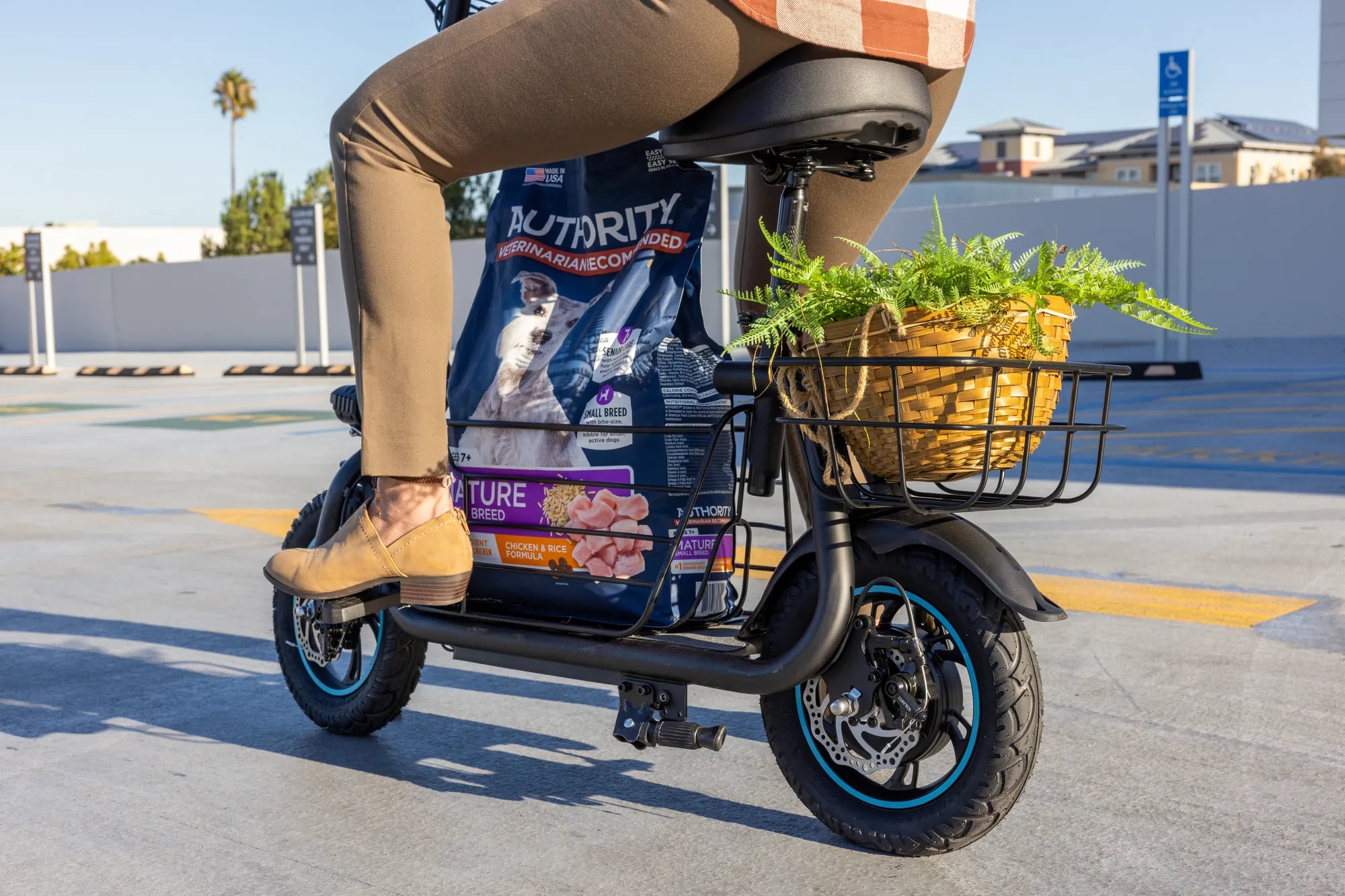
Electric scooters have revolutionized urban mobility, offering a convenient and eco-friendly way to navigate crowded streets. At the heart of this innovation lies the electric scooter accelerator, a critical component that determines speed, responsiveness, and overall riding experience. Whether you're a daily commuter or a casual rider, understanding how the accelerator works can enhance your control and safety on the road.
How the Electric Scooter Accelerator Works
The electric scooter accelerator is a hand-operated throttle that sends signals to the motor, controlling speed and acceleration. Most modern scooters use either a thumb throttle or a twist-grip throttle, both of which rely on electronic sensors to regulate power output. When you press or twist the accelerator, it sends a signal to the controller, which adjusts the voltage supplied to the motor, resulting in smooth or rapid acceleration depending on your input.
Types of Electric Scooter Accelerators
There are two primary types of accelerators found in electric scooters:
- Thumb Throttle: A small lever pressed with the thumb, offering precise control and reducing hand fatigue.
- Twist-Grip Throttle: Similar to motorcycle throttles, this requires twisting the handlebar grip, providing a more intuitive feel for some riders.
Each type has its advantages, and the choice often comes down to personal preference and riding style.
Why the Accelerator Matters
The accelerator is more than just a speed control—it directly impacts battery efficiency, ride smoothness, and safety. A well-calibrated accelerator ensures gradual acceleration, preventing sudden jerks that could lead to loss of balance. Additionally, efficient use of the accelerator can extend battery life by avoiding unnecessary power surges.
Tips for Optimal Accelerator Use
To get the most out of your electric scooter accelerator, follow these tips:
- Start with gentle pressure to avoid abrupt acceleration.
- Maintain a steady grip to ensure consistent speed.
- Use regenerative braking (if available) to recharge the battery while slowing down.
- Avoid excessive acceleration on inclines to prevent motor strain.
Common Issues and Troubleshooting
Like any mechanical component, the accelerator can develop issues over time. Common problems include delayed response, sticking, or complete failure. If you experience these issues, check for loose connections, dirt buildup, or worn-out components. Regular maintenance can prevent most accelerator-related problems.
Mastering your electric scooter accelerator can transform your riding experience, offering better control, efficiency, and longevity for your scooter. Whether you're zipping through city traffic or cruising along scenic paths, understanding this key component ensures a smoother, safer, and more enjoyable ride.
Small Portable Electric Scooter: The Ultimate Urban Commuting Solution
Gift Guide for 10 Year Old Boy: Top Picks to Spark Joy and Creativity