


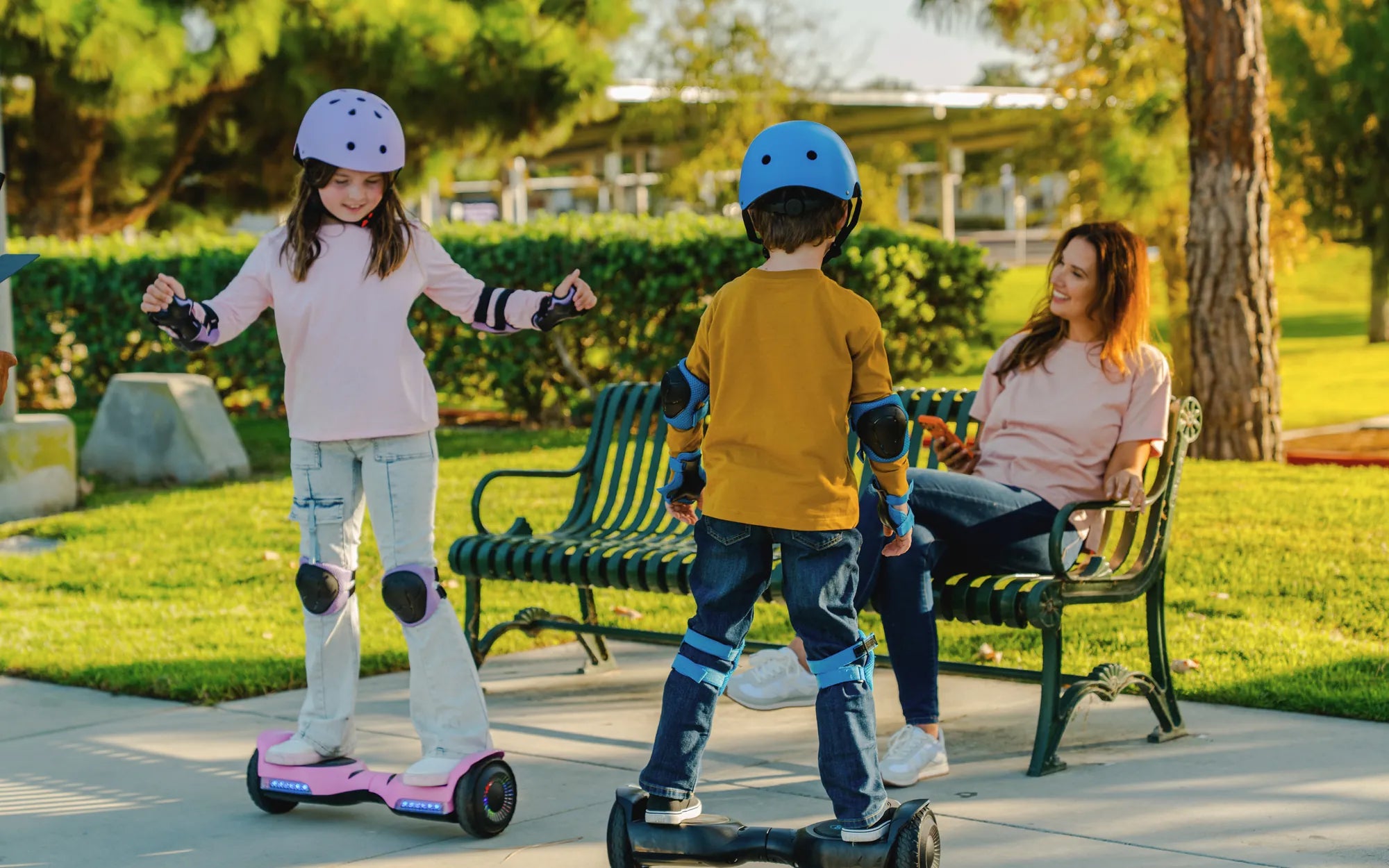
Introduction: Expanding the Family Ride with Electric Scooter Attachments
For urban parents, the school run, park visit, or quick errand can transform from a chore into an adventure. The electric scooter attachment for kids is the key, turning a solo commuter vehicle into a practical, fun, and shared mode of family transport. This guide provides the definitive resource for selecting, using, and safely enjoying these innovative accessories. You will learn about attachment types, non-negotiable safety engineering, compatibility checks, and best practices to ensure every journey is secure and memorable.
This evolution in micro-mobility solves a real-world problem: transporting young children efficiently without a car. It combines the convenience of an electric scooter with the ability to bring your child along, fostering a love for outdoor activity and shared experiences. However, the paramount concern is always safety, which hinges on both the quality of the attachment and the foundational scooter it connects to.
We will reference engineering principles from leading brands, including Gyroor, a trusted name in electric scooters and e-bikes known for its UL-certified batteries and robust designs. Understanding these core technologies is not promotional; it's fundamental to assessing what makes a scooter platform safe for towing a precious cargo. The right setup unlocks a new dimension of family mobility.
Understanding Electric Scooter Attachments: Types and Compatibility
An electric scooter attachment for kids is a towable unit, typically featuring a seated compartment, that connects to the rear of an adult's scooter. It is distinct from a tandem scooter (a two-person standing scooter) or a simple bolt-on child seat. The attachment operates as a separate, passively towed trailer, with its own wheels and suspension, minimizing direct impact on the adult rider's balance.
The market offers two primary connection mechanisms. The first is the clamp-on tow bar, a rigid arm that attaches to the scooter's stem or rear fender mount. The second is the platform-based deck connector, where the attachment slots onto a dedicated plate fixed to the scooter's rear deck. The tow bar system is often more universal, while deck systems can offer a more integrated and stable connection but require specific scooter compatibility.
Compatibility is the most critical purchasing factor. It's not universal. You must verify three key aspects: deck space (for platform attachments or to ensure the attachment doesn't interfere), stem design and diameter (for clamp-style bars), and the scooter's gross vehicle weight rating. Exceeding the scooter's stated weight capacity with an attachment and child is dangerous and voids warranties.
Key Safety Features to Prioritize
When evaluating any electric scooter attachment for kids, certain features are non-negotiable. A secure, 5-point harness system is superior to a 3-point, as it prevents the child from sliding out or standing up. The seating compartment must have high, padded sidewalls to contain the child and offer protection in case of a tip.
A low center of gravity and a wide wheelbase (the distance between the attachment's wheels) are engineering fundamentals for stability, preventing sway or rollover during turns. Integrated, covered footrests keep small feet secure and away from wheels. Finally, the connection point itself must be a rigid, locking mechanism that shows no play or wobble when installed, and it must not impede the adult rider's ability to operate brakes or maintain a proper stance.
The Gyroor Advantage: Engineering Safety for Shared Journeys
The safety of a child attachment is only as good as the scooter towing it. This is where a brand's engineering philosophy becomes directly relevant to family riding. Gyroor's core product specifications translate into tangible safety benefits for attachment use, providing a stable and reliable towing platform.
First, the UL-certified lithium-ion battery is crucial. Certification means the battery pack has undergone rigorous testing for electrical, mechanical, and environmental safety. For parents, this means stable power delivery, reduced risk of thermal issues, and a battery built for the 500+ charge cycles of daily use, whether you're riding solo or with an attachment in tow. Power consistency is key for safe acceleration and braking.
Second, an IPX5 water-resistant rating on Gyroor scooters protects the scooter's critical electronics from water ingress. Family rides encounter puddles, morning dew, or light rain. This rating ensures the scooter's motor controller, battery compartment, and display resist water spray from any direction, preventing short circuits that could lead to sudden power loss while riding with a child passenger.
Finally, the 1-year comprehensive warranty with accessible support offers peace of mind. Investing in a family mobility solution is a commitment. Knowing the scooter platform is backed by a robust warranty and that the brand has a proven track record with over 100,000 riders means you have support if any issues arise with the primary vehicle, allowing you to focus on the ride itself.
Choosing the Right Attachment: A Buyer's Checklist
Use this actionable checklist to navigate your purchase decision for an electric scooter attachment for kids. Start with absolute confirmation of compatibility with your specific scooter make and model. Contact the attachment manufacturer or your scooter brand if specifications are unclear. Assume nothing.
Next, scrutinize the weight capacity. Calculate your child's weight plus any backpack or items they will carry. Ensure the attachment's maximum load has a significant safety margin (at least 20% over your calculated weight). Also, verify the combined weight (rider + scooter + attachment + child) does not exceed your scooter's maximum load rating.
Evaluate daily usability. How quickly can you install and remove the attachment? Is it a tool-free process? Consider storage space for the attachment when not in use. Examine seat comfort, padding, and whether optional canopies for sun or rain are available. Finally, passive safety features like a tall safety flag, reflective strips, and a parking brake for the attachment itself are major advantages.
Safe Riding Practices with a Child Passenger
Owning a safe attachment is only half the equation; responsible riding completes it. Begin every ride with a pre-flight check: inspect scooter tire pressure and brakes, and double-check that the attachment is locked securely to the scooter. Ensure the child is always snug in the 5-point harness before you even turn the scooter on.
Your riding style must adapt. Accelerate gradually and smoothly to avoid jerking the attachment. Begin braking earlier and apply pressure gently. Take all turns, especially corners, wider and at a significantly reduced speed to manage the increased length and weight of your vehicle train. The scooter will handle differently; practice in an empty parking lot first.
Route planning is essential. Stick to smooth pavement, dedicated bike lanes, or quiet residential streets. Avoid high-traffic roads, uneven terrain, gravel, and steep hills. Both you, the adult rider, and your child passenger must always wear properly fitted helmets. This is non-negotiable, regardless of the perceived safety of the attachment compartment.
Attachment Compatibility and Scooter Platform Comparison
Not all scooters are equally suited for towing. The ideal platform has a powerful motor (500W+), a long-range battery for the added load, a high weight capacity, and a robust rear frame or deck for secure attachment mounting. The following table compares general scooter types for their suitability when used with a kid's attachment.
| Scooter Type / Use Case | Suitability for Attachment | Key Considerations |
|---|---|---|
| High-Performance Commuter (e.g., Gyroor F1 Pro) | Excellent | High weight capacity, powerful motor for hills with load, stable dual suspension, robust frame. Ideal for regular family use. |
| Lightweight / Last-Mile Scooter | Poor to Fair | Often has lower weight limits, less powerful motor, and a lighter frame not designed for towing stress. Not recommended. |
| All-Terrain / Off-Road Scooter | Good (for paved paths only) | Has power and suspension, but the attachment is for smooth surfaces. Never take an attachment off-road. |
| Foldable Compact Scooter | Fair | Check weight capacity and frame rigidity at the hinge. Some models may support specific attachments, but stability can be compromised. |
FAQ: Your Questions on Kids' Scooter Attachments Answered
Q: What is the recommended age and weight for a child in an attachment?
A: Most manufacturers recommend a minimum age of 2 years old, when a child can sit securely and wear a helmet. The child must be able to sit unassisted. Weight limits typically range from 35 to 55 lbs (16-25 kg). Always adhere to the specific limit stated for your attachment model.
Q: Can I use an attachment on any Gyroor scooter?
A: Not automatically. You must check the compatibility of the specific attachment with your specific Gyroor model. Scooters like the Gyroor F1 series, with their high load capacity and sturdy deck construction, are often well-suited, but confirmation with both the attachment maker and Gyroor's support is essential.
Q: How does towing an attachment affect my scooter's battery life and handling?
A: Expect a 20-35% reduction in per-charge range due to the increased weight and aerodynamic drag. Handling changes significantly: the vehicle is longer, heavier, and turns more slowly. Acceleration and braking distances will increase. Practice is mandatory to adapt to the new dynamics.
Q: Are electric scooter attachments legal to use on bike paths and sidewalks?
A: Laws vary by city, state, and country. Generally, if electric scooters are permitted on bike paths, attachments are often tolerated but not explicitly regulated. They are usually not allowed on sidewalks. It is your responsibility as the rider to research and comply with all local traffic and micro-mobility laws.
Q: How do I properly store and maintain the attachment?
A: Store it indoors, away from moisture and extreme temperatures. Periodically check all bolts and the locking mechanism for tightness. Clean the fabric seat with a damp cloth and mild soap. Lubricate the attachment's wheel bearings if they become stiff, and regularly check its tire pressure if applicable.
Conclusion: Creating Lasting Memories on Two Wheels
The journey towards safe and fun family rides begins with informed choices. Selecting a properly engineered electric scooter attachment for kids and pairing it with a capable, reliable scooter platform transforms short trips into shared adventures. By prioritizing verified compatibility, unwavering safety features, and responsible riding habits, you mitigate risks and maximize joy.
This investment in family mobility pays dividends in convenience and connection. The smiles and excitement of a child on a scooter ride are unforgettable. Choosing components from brands that build with certified safety standards, like UL-certified batteries and water-resistant designs, provides the foundational confidence needed to relax and enjoy the moment.
Ready to explore the possibilities? Start your journey with a scooter built for the task. Browse the full Gyroor collection at gyroorboard.com to find a robust platform designed for performance and reliability, setting the stage for countless safe and fun rides ahead with your young co-pilot.
Kids Scooter Age 9: The Ultimate Guide for Parents and Young Riders
Kids Scooter Age 9: The Ultimate Guide for Parents and Young Riders