


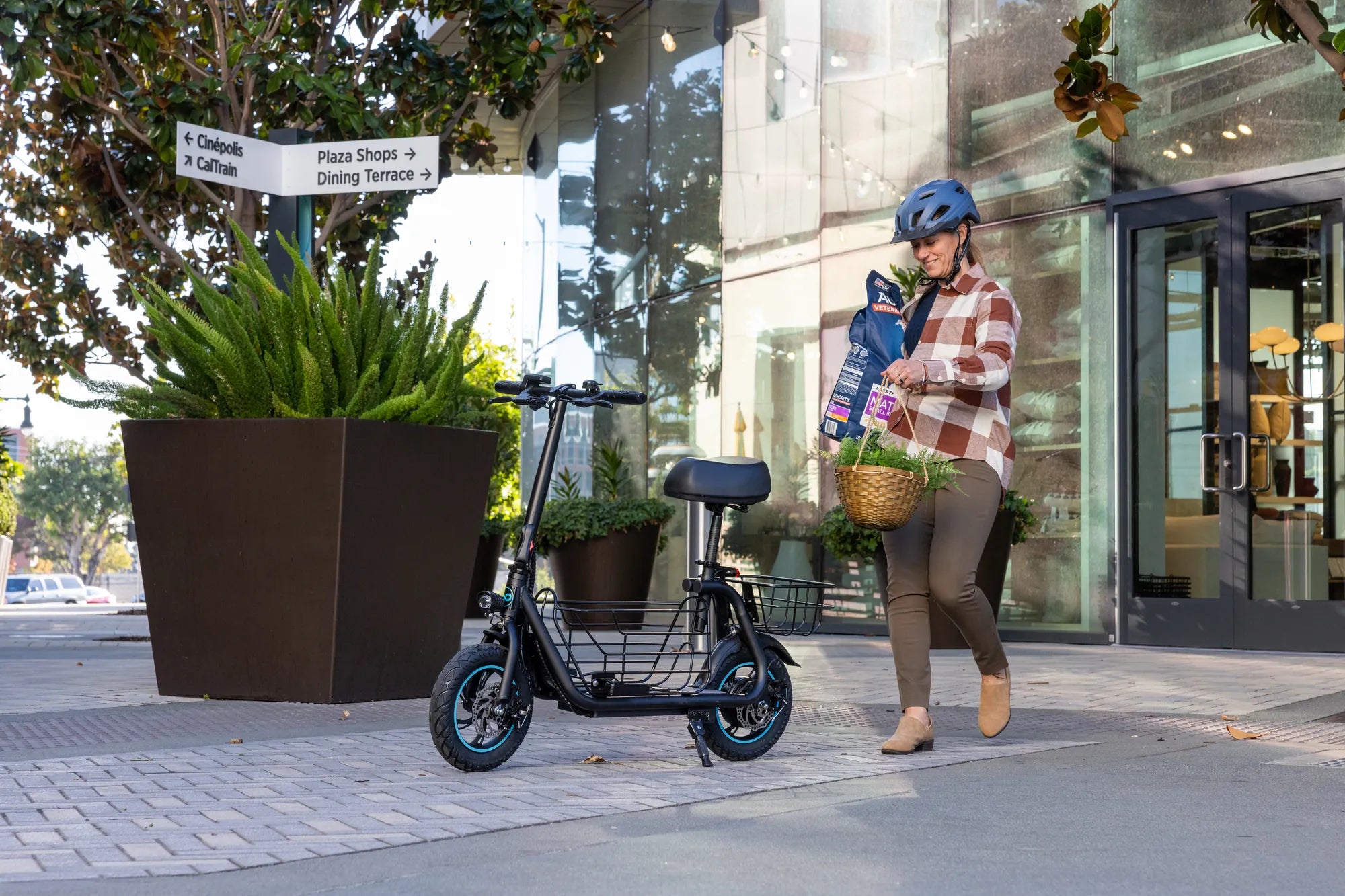
Electric scooters have become a popular choice for urban commuters, offering a convenient and eco-friendly way to navigate crowded streets. One of the most critical aspects to consider when using an electric scooter is the average cost per kilometer. Understanding this metric can help riders make informed decisions about their transportation choices and maximize their savings.
Factors Affecting Electric Scooter Average Per Km
The average cost per kilometer for an electric scooter depends on several factors, including battery efficiency, terrain, rider weight, and maintenance. Let's break these down:
- Battery Efficiency: The type and quality of the battery play a significant role in determining how far a scooter can travel on a single charge. Higher-quality batteries often provide better mileage, reducing the cost per kilometer.
- Terrain: Riding on flat, smooth surfaces consumes less energy compared to hilly or rough terrains. Urban environments with frequent stops and starts can also increase energy usage.
- Rider Weight: Heavier riders may experience reduced mileage due to increased load on the motor and battery.
- Maintenance: Regular upkeep, such as tire pressure checks and brake adjustments, ensures optimal performance and efficiency.
Calculating the Average Cost Per Kilometer
To estimate the average cost per kilometer, divide the total cost of ownership (including purchase price, charging, and maintenance) by the total distance traveled. For example, if a scooter costs $500 and lasts for 5,000 km with $200 in charging and maintenance, the average cost per km would be ($500 + $200) / 5,000 km = $0.14 per km.
Tips to Reduce Your Electric Scooter's Cost Per Km
Here are some practical ways to lower your electric scooter's operating costs:
- Optimize Charging: Charge your scooter during off-peak hours to take advantage of lower electricity rates.
- Maintain Proper Tire Pressure: Underinflated tires increase rolling resistance, reducing efficiency.
- Ride Smoothly: Avoid sudden accelerations and hard braking to conserve energy.
- Choose the Right Route: Plan your trips to avoid steep hills and rough roads.
The Environmental and Financial Benefits
Electric scooters are not only cost-effective but also environmentally friendly. By reducing reliance on fossil fuels, they contribute to lower carbon emissions. Additionally, their low operating costs make them an attractive alternative to traditional transportation methods.
Whether you're a daily commuter or an occasional rider, understanding the electric scooter average per km can help you save money and reduce your environmental footprint. Start optimizing your rides today and enjoy the benefits of this efficient mode of transportation!
Electric Scooter Price in Wardha: A Comprehensive Buying Guide
Best Mountain Biking Breckenridge: Trails, Tips, and Adventure