


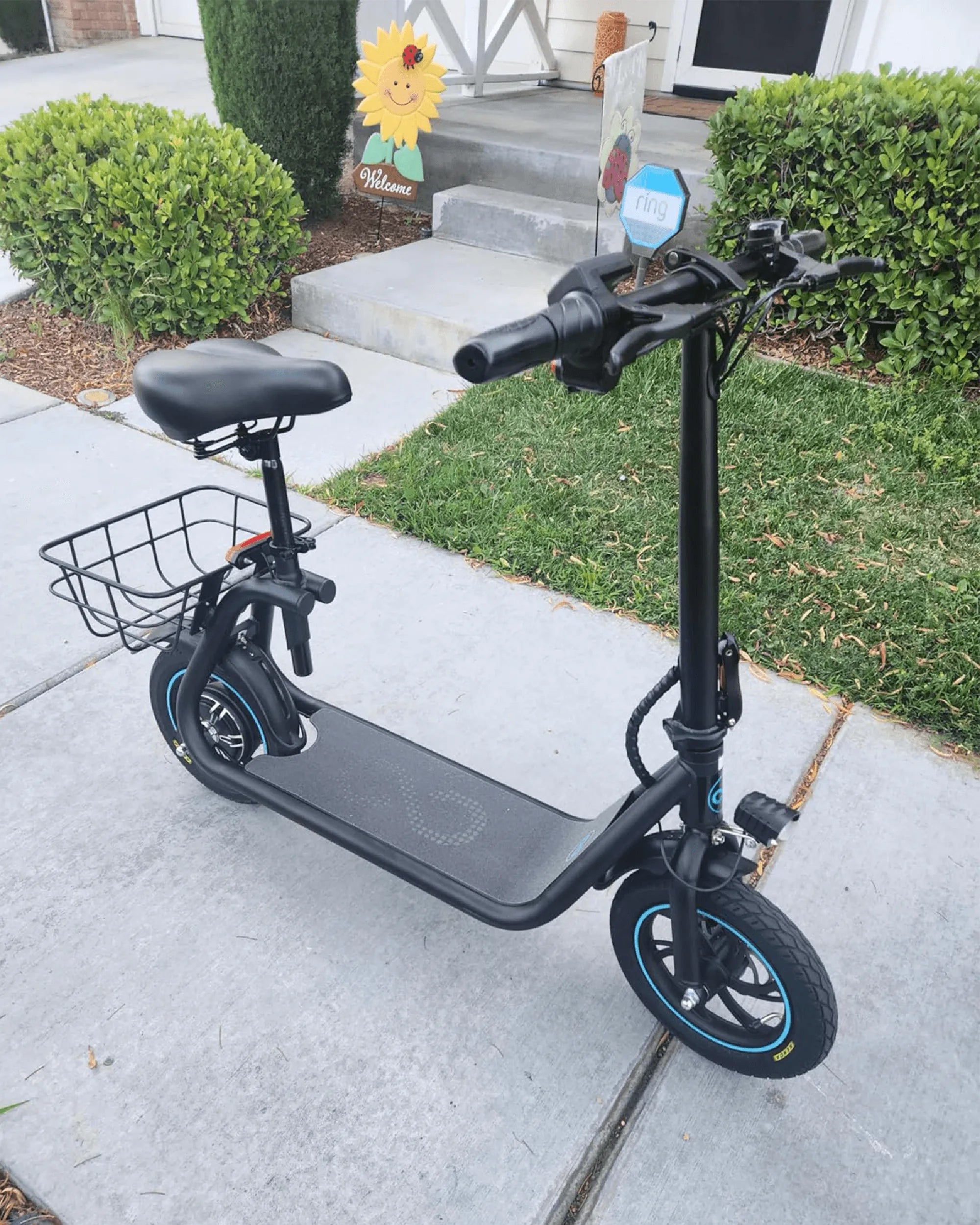
Electric scooters have revolutionized urban mobility, offering a convenient and eco-friendly way to navigate crowded streets. But the heart of any electric scooter lies in its battery. Knowing the right electric scooter battery specifications can mean the difference between a smooth, long-lasting ride and constant frustration. Whether you're a daily commuter or a weekend rider, understanding these specs will help you choose the perfect scooter for your needs.
Voltage: The Power Behind Your Ride
Voltage is one of the most critical electric scooter battery specifications. Measured in volts (V), it determines how much power the battery can deliver to the motor. Higher voltage generally means better acceleration and hill-climbing ability. Most electric scooters range between 24V and 60V, with higher-end models pushing beyond 72V for extreme performance.
Capacity: How Far Can You Go?
Battery capacity, measured in ampere-hours (Ah) or watt-hours (Wh), indicates how much energy the battery can store. A higher capacity means a longer range, but it also adds weight and cost. For example, a 10Ah battery might offer 20-30 miles on a single charge, while a 20Ah battery could double that distance. Always check the manufacturer's estimated range, but remember that real-world conditions like terrain, rider weight, and speed will affect performance.
Battery Chemistry: Lithium vs. Lead-Acid
The type of battery chemistry plays a huge role in performance, weight, and lifespan. Lithium-ion batteries are the most common in modern electric scooters due to their lightweight, high energy density, and long cycle life. Lead-acid batteries, while cheaper, are heavier and have a shorter lifespan. Some premium scooters use lithium-polymer or lithium-iron-phosphate (LiFePO4) batteries for even better durability and safety.
Charging Time and Cycles
No one wants to wait hours for their scooter to charge. Charging time depends on the battery's capacity and the charger's output. A standard 2A charger might take 4-6 hours for a full charge, while fast chargers can cut that time in half. Battery cycles—the number of full charge-discharge phases—determine longevity. Most lithium-ion batteries last 500-1,000 cycles before significant capacity loss occurs.
Temperature and Environmental Factors
Extreme temperatures can drastically affect battery performance. Cold weather reduces capacity and range, while excessive heat can degrade the battery over time. Always store and charge your scooter in a moderate environment to maximize battery life. Some high-end scooters come with built-in battery management systems (BMS) to protect against overcharging, overheating, and deep discharge.
Weight and Portability
Battery weight directly impacts the scooter's portability. A heavier battery might offer more range but can make the scooter harder to carry or fold. Consider your daily routine—if you need to lift your scooter frequently, a lighter battery with slightly less capacity might be a better trade-off.
Safety and Maintenance Tips
Proper care extends battery life and ensures safety. Avoid completely draining the battery, as deep discharges can harm its longevity. Store the scooter with at least a 50% charge if unused for long periods. Regularly inspect the battery for swelling, leaks, or unusual heat, and always use the manufacturer-recommended charger.
Choosing the right electric scooter battery specifications isn't just about numbers—it's about matching your lifestyle and riding habits. Whether you prioritize speed, range, or portability, understanding these key factors will help you ride smarter and longer. Ready to hit the road with confidence? Your perfect electric scooter is just a battery spec away.
Electric Scooter Display Replacement: A Complete Guide to Fixing Your Ride
Electric Scooter Weight Capacity 150 kg: What You Need to Know