


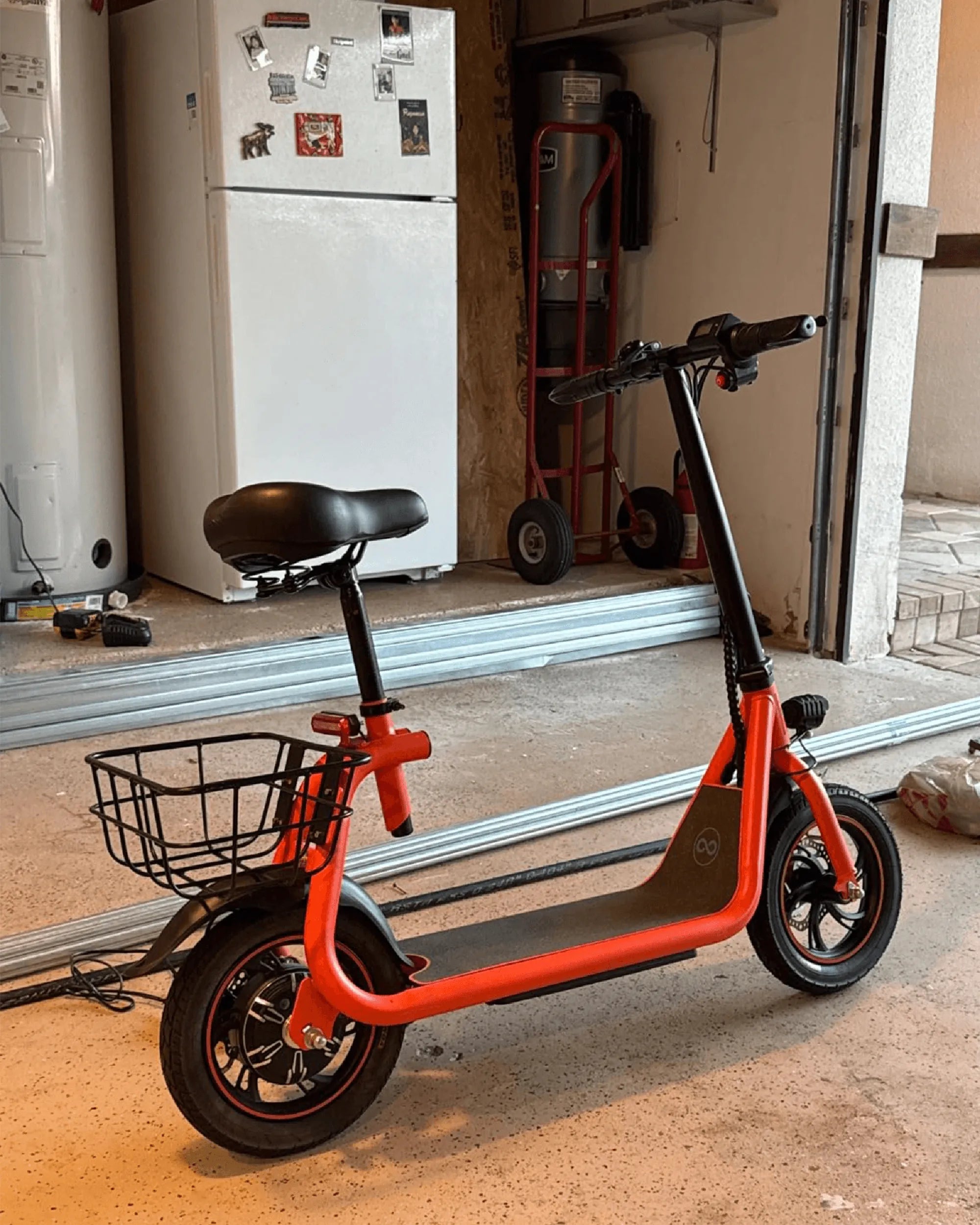
Electric scooters have surged in popularity as a convenient and eco-friendly mode of urban transportation. One of the most critical yet often overlooked components is the battery—specifically, its weight. The electric scooter battery weight plays a significant role in determining performance, range, and overall usability. Whether you're a daily commuter or a casual rider, understanding how battery weight affects your ride can help you make an informed decision.
Why Battery Weight Matters
The weight of an electric scooter battery directly impacts several key factors:
- Portability: A heavier battery makes the scooter harder to carry, especially if you need to lift it upstairs or onto public transport.
- Range: Larger batteries with higher capacity tend to weigh more but offer extended mileage.
- Speed and Acceleration: Extra weight can reduce acceleration and top speed, though modern motors often compensate for this.
- Stability: A well-distributed battery weight can improve balance, while an uneven load may affect handling.
Battery Chemistry and Weight
Different battery chemistries have varying energy densities, which influence weight. The most common types include:
- Lithium-Ion (Li-ion): Lightweight and efficient, these batteries dominate the market due to their high energy-to-weight ratio.
- Lead-Acid: Heavier and bulkier, these are less common in modern scooters but may still be found in budget models.
- Lithium Iron Phosphate (LiFePO4): Slightly heavier than Li-ion but offers longer lifespans and better thermal stability.
Balancing Capacity and Weight
Choosing the right battery involves a trade-off between capacity and weight. A larger battery provides longer range but adds bulk, while a lighter battery improves portability at the expense of mileage. Riders must assess their needs—whether prioritizing daily commutes or occasional short trips—to find the optimal balance.
Impact on Scooter Design
Manufacturers must carefully integrate battery weight into scooter design. A low-center-of-gravity placement enhances stability, while poor placement can lead to awkward handling. Foldable scooters, in particular, face challenges in distributing weight without compromising compactness.
Future Trends in Battery Technology
Advancements in battery technology aim to reduce weight while maintaining or increasing capacity. Solid-state batteries and graphene-based solutions promise higher energy densities, potentially revolutionizing electric scooter performance in the coming years.
Electric scooter battery weight isn't just a technical specification—it's a defining factor in your riding experience. Whether you prioritize speed, range, or ease of transport, understanding this balance ensures you choose the perfect scooter for your lifestyle. The future holds even lighter, more powerful batteries, making electric scooters an increasingly attractive alternative to traditional transport.
Electric Scooter Faults: Common Issues and How to Avoid Them
Best Fat Tire Electric Scooter 1000W: The Ultimate Ride for Adventure and Commuting