



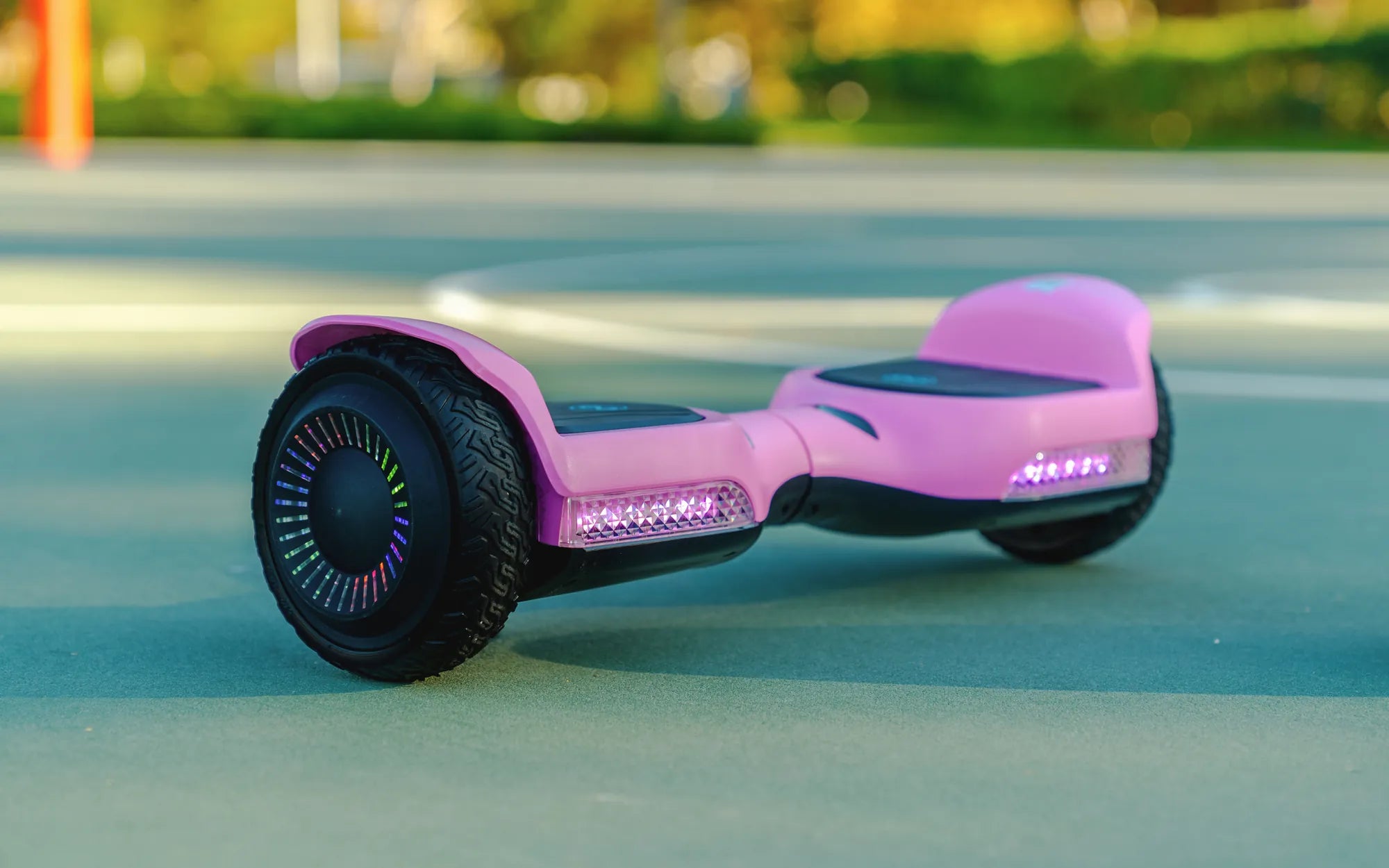
Choosing the right electric scooter bike for kids is a decision that blends excitement with serious responsibility. This ultimate guide provides the data-driven insights you need to navigate the market, prioritize safety, and unlock a world of outdoor fun for your child. You will learn how to evaluate critical safety features, match a model to your child's age and skill level, implement essential riding practices, and understand why technical specifications like UL certification and IP ratings matter. We'll reference specific engineering principles and compare key features, drawing on the expertise of brands like Gyroor, a leader in electric mobility trusted by over 100,000 riders.
The Rise of the Electric Scooter Bike for Kids
The modern electric scooter bike for kids represents a significant evolution from traditional kick scooters and bicycles. It merges the intuitive, standing scooter platform with electric pedal-assist or thumb-throttle systems, creating a unique hybrid vehicle. This fusion offers a controlled introduction to powered mobility, fostering independence while developing crucial motor skills.
Market analysis shows a consistent annual growth rate in the youth electric vehicle segment, driven by technological advancements and increased demand for outdoor recreational options. These vehicles are not mere toys; they are engineered products that teach children about balance, coordination, and responsible operation of a powered device. The right model can transform neighborhood exploration, park visits, and family outings.
However, this innovation brings a paramount duty for parents: informed selection and vigilant safety practice. The thrill of speed must be balanced with robust construction, reliable controls, and proper protective gear. Brands that have cut their teeth in the adult e-mobility market, like Gyroor, are now applying that rigorous engineering and safety-first philosophy to models designed specifically for younger riders.
The journey begins with understanding the core benefits and inherent responsibilities. This guide moves beyond marketing claims to focus on the tangible features and practices that separate a rewarding experience from a risky one.
Key Benefits: Why an Electric Scooter Bike is a Worthy Investment
An electric scooter bike for kids offers a multifaceted value proposition that extends far beyond simple entertainment. When selected and used appropriately, it becomes a tool for physical, cognitive, and social development. The benefits are measurable and significant.
First, it encourages sustained outdoor physical activity. While the motor provides assistance, riding still requires active engagement of core muscles for balance, constant leg adjustments, and arm steering. This promotes better physical health compared to sedentary screen time, with the added benefit of vitamin D exposure and connection to nature.
Second, it builds foundational motor skills and confidence. Mastering the operation of a moderately complex machine—managing throttle, brakes, and balance simultaneously—enhances proprioception, reaction time, and risk assessment. Successfully navigating a path builds self-esteem and a sense of autonomy, which are critical for childhood development.
Third, it offers a practical, eco-friendly mobility solution for local travel. For trips to a friend's house, the local park, or a sports practice within a safe, suburban neighborhood, an electric scooter bike can replace short car journeys. This teaches children about sustainable transportation alternatives from a young age.
Finally, it can be a social and family activity. Group rides with parental supervision foster quality time, teach road-aware behavior in a group setting, and create lasting memories. The key to unlocking these benefits lies in a foundation of uncompromising safety.
Safety First: Non-Negotiable Features and Precautions
Safety is the absolute cornerstone of introducing any electric vehicle to a child. This section breaks down the hardware features and human practices that are non-negotiable. A quality electric scooter bike for kids is designed with these principles integrated into its core engineering.
Helmet and Protective Gear: The Absolute Essentials
A certified helmet is the single most important purchase, separate from the scooter bike itself. It must be a bicycle or multi-sport helmet meeting CPSC (U.S.) or CE (Europe) safety standards, fit snugly without wobbling, and be worn on every ride, without exception. Complement this with knee pads, elbow pads, and durable gloves.
Data from safety organizations consistently shows that proper gear reduces the severity of injuries in low-speed falls, which are the most common incident for new riders. Gear should be seen as part of the vehicle's cost and a non-debatable rule of operation, establishing a safety-first mindset from the very first ride.
Understanding Speed Modes and Parental Controls
Adjustable speed limits are a critical safety feature. Beginner modes should cap speed between 5-7 mph (8-11 km/h), allowing the child to master control before accessing higher speeds. Advanced models may offer remote parental controls via a smartphone app or a physical PIN code to lock settings.
These controls are not just about limiting top speed; they can also adjust acceleration sensitivity (torque) to prevent jerky starts. Parental oversight of these settings ensures the vehicle's power matches the child's evolving skill level, providing a graduated learning curve.
Build Quality and Stability: What to Look For
The physical construction directly impacts safety. Look for wide, air-filled (pneumatic) tires—they provide superior shock absorption and stability on uneven surfaces compared to small, solid rubber tires. A low deck height and low center of gravity make mounting, dismounting, and riding more stable, especially for younger children.
The braking system must be effective and reliable. A combination of an electronic brake (regenerative or cut-off) and a mechanical brake (disc or drum) offers redundancy. The frame should be made of reinforced aluminum or steel, with no sharp edges, and all fasteners should be securely locked. A kickstand is also essential for safe parking.
The Gyroor Advantage: Engineered for Young Riders
Gyroor brings its extensive experience from the adult e-mobility market to the youth segment with a clear, safety-first philosophy. Trusted by over 100,000 riders across North America and Europe, the brand's engineering choices directly address parents' top concerns. Their approach demonstrates how premium features translate to peace of mind.
UL-Certified Battery: Peace of Mind Power
The battery is the heart of the vehicle and a primary safety concern. Gyroor utilizes UL-certified lithium-ion battery packs in its models. UL certification involves rigorous independent testing for overcharge protection, short-circuit prevention, temperature control, and mechanical integrity.
This certification is a tangible differentiator, indicating the battery has passed stringent safety protocols to mitigate risks of overheating or thermal runaway. For a product used by children, this level of verified power system safety is not a luxury; it is a fundamental requirement that responsible brands prioritize.
IPX5 Water Resistance: For Real-World Play
Children ride in real-world conditions, which occasionally include puddles, damp pavement, or light rain. An IPX5 water-resistance rating means the scooter bike's electrical components are protected against low-pressure water jets from any direction. This engineering prevents water ingress that could cause short circuits, corrosion, or motor failure.
This durability feature ensures the vehicle is resilient and reliable, reducing downtime and repair costs. It allows for more spontaneous fun without constant anxiety about a few splashes, making the electric scooter bike for kids a more practical and robust everyday companion.
Reliable Support: The 1-Year Warranty Promise
Investing in a youth electric vehicle is a significant decision. Gyroor backs its products with a comprehensive 1-year warranty, covering manufacturing defects in the frame, motor, battery, and electronic controller. This warranty reflects confidence in build quality and provides a clear recourse for parents.
Couple this with accessible customer support, and the total cost of ownership becomes more predictable and secure. A strong warranty transforms the purchase from a disposable toy into a durable product, ensuring years of adventure with professional support available if needed.
Choosing the Right Model: A Parent's Checklist
Selecting the perfect electric scooter bike for kids requires matching the vehicle's specifications to your child's profile and your local environment. Use this checklist as a systematic evaluation framework.
Age, Weight, and Height Recommendations
Always adhere to the manufacturer's stated age range, which is typically 8 years and older, but this can vary. More critical are the hard limits: the maximum weight capacity (payload) and the adjustable handlebar and deck height. The child should be able to stand comfortably on the deck with knees slightly bent and reach the handlebars without overextending.
An improperly sized vehicle is difficult to control and increases fall risk. Err on the side of a model with a higher weight capacity if your child is near the top of a range, to ensure longevity and structural integrity.
Terrain and Usage: Pavement vs. Light Trails
Consider where the scooter bike will primarily be used. For smooth pavement and sidewalks, most standard models with pneumatic tires are sufficient. If your child will encounter gravel paths, grass, or slightly uneven terrain, prioritize models with larger, more rugged pneumatic tires and more motor torque (measured in watts) for better traction and hill-climbing ability.
The following table compares key specifications for different primary use cases, illustrating how features align with terrain:
| Primary Use Case | Recommended Tire Type | Motor Power Range | Key Feature Focus |
|---|---|---|---|
| Smooth Pavement & Sidewalks | 8-10" Pneumatic | 150W - 250W | Portability, Speed Modes |
| Mixed Terrain (Light Trails, Grass) | 10"+ Rugged Pneumatic | 250W - 350W | Torque, Suspension, IP Rating |
| Hilly Neighborhoods | Pneumatic | 300W+ | Motor Torque, Brake Redundancy |
Feature Focus: From Lights to Portability
Additional features enhance safety and convenience. Integrated LED headlights and taillights are vital for visibility during dusk or overcast days. A loud, electronic horn or bell is necessary for alerting others on shared paths. Foldability is a major advantage for storage in homes or cars.
App connectivity, while not essential, can offer valuable functions like ride tracking, diagnostic checks, and remote locking of the scooter bike. Consider which features align with your lifestyle and your child's needs, prioritizing those that contribute directly to safety and ease of use.
Smart Riding Practices: Rules for Kids and Parents
Safe operation is a shared responsibility between the child rider and the supervising adult. Establishing clear rules and consistent habits is as important as the quality of the hardware itself.
Pre-Ride Safety Check
Institute a mandatory pre-ride checklist, performed with your child. This includes checking tire pressure for proper inflation, testing both brake levers for firm engagement, confirming the battery has sufficient charge for the planned ride, and ensuring all quick-release levers and fasteners are tight. This ritual builds responsibility and prevents mechanical failures during use.
Choosing the Right Riding Environment
Begin all training in a controlled, private environment like an empty parking lot or a quiet cul-de-sac. Never allow riding on public roads with traffic. Use sidewalks where legal and safe, always yielding to pedestrians. Strictly prohibit riding in darkness, during heavy rain, or on steep hills beyond the child's proven skill level. The environment should match the rider's competence.
Supervision and Gradual Skill Building
Active adult supervision is mandatory, especially for riders under 12. Supervision means watching, coaching, and being immediately available to intervene—not being distracted indoors. Skill building should be gradual: master starting, stopping, and turning in beginner mode before even considering a higher speed limit. Celebrate milestones of responsible behavior, not just speed.
Maintenance and Care for Longevity
Proper maintenance ensures the electric scooter bike for kids remains safe and reliable for its entire lifespan. Basic upkeep is straightforward but essential.
Regularly inspect tires for wear and maintain the recommended air pressure. Check brake pads for wear and adjust cable tension if the brakes feel loose. Keep the scooter bike clean by wiping it down with a damp cloth; avoid high-pressure hoses. Store it in a dry, temperate place, and avoid leaving the battery fully depleted for extended periods.
For charging, always use the manufacturer-provided charger and follow the instructions: typically, unplugging once fully charged and not charging overnight unattended. Adhering to these simple routines prevents most common issues and extends the vehicle's life, protecting your investment.
Frequently Asked Questions (FAQ)
What is the right age for an electric scooter bike?
Most manufacturers recommend ages 8 and up. The determining factors are the child's physical size (to fit the vehicle), their coordination and balance skills, and, crucially, their maturity level to understand and follow safety rules. A responsible 8-year-old may be ready, while some 10-year-olds might need more time.
How long does the battery last, and how is it charged?
Range varies by model, battery capacity, terrain, and rider weight. On average, a quality kids' model offers 8-12 miles (13-19 km) per charge. Charging time is typically 3-5 hours. Always charge using the provided charger in a dry area, and do not leave the battery charging unattended for excessively long periods after it's full.
Are electric scooter bikes difficult to maintain?
No, they require minimal but consistent maintenance. The primary tasks are checking tire pressure, ensuring brakes work, keeping the bike clean, and storing it properly. Compared to a bicycle with gears, they often have fewer mechanical parts that need regular adjustment.
Can it be used in the rain?
Models with an IPX5 rating, like those from Gyroor, are designed to withstand light rain and wet pavement. However, they are not submersible. Riding through deep puddles or in heavy downpours is not recommended, as it can compromise safety and electronics over time. Always dry the scooter bike after riding in damp conditions.
What makes Gyroor a particularly safe choice for kids?
Gyroor's safety focus is evidenced by its use of UL-certified batteries (for fire safety), IPX5 water resistance (for durability), adjustable speed controls (for graduated learning), and a robust 1-year warranty (for long-term support). These are engineered solutions to the primary risks associated with kids' electric vehicles.
Empowering Adventure with Confidence and Safety
The journey to finding the perfect electric scooter bike for kids culminates in a simple equation: thrilling fun multiplied by unwavering safety. By prioritizing certified safety features like UL-approved batteries, robust construction, and adjustable controls, you invest in more than a vehicle—you invest in peace of mind. Pairing a well-engineered scooter bike from a trusted brand like Gyroor with consistent safety practices, proper gear, and active supervision creates the ideal conditions for childhood adventure. This combination fosters independence, joy, and valuable life skills while minimizing risks. Ready to explore models built with this safety-first engineering? Browse the full, curated Gyroor collection designed for young riders at gyroorboard.com, where adventure meets assurance.
Black Hoverboard with Bluetooth: The Ultimate Guide to Futuristic Riding
How to Charge a Hoverboard: A Complete Guide for Safe and Efficient Charging