

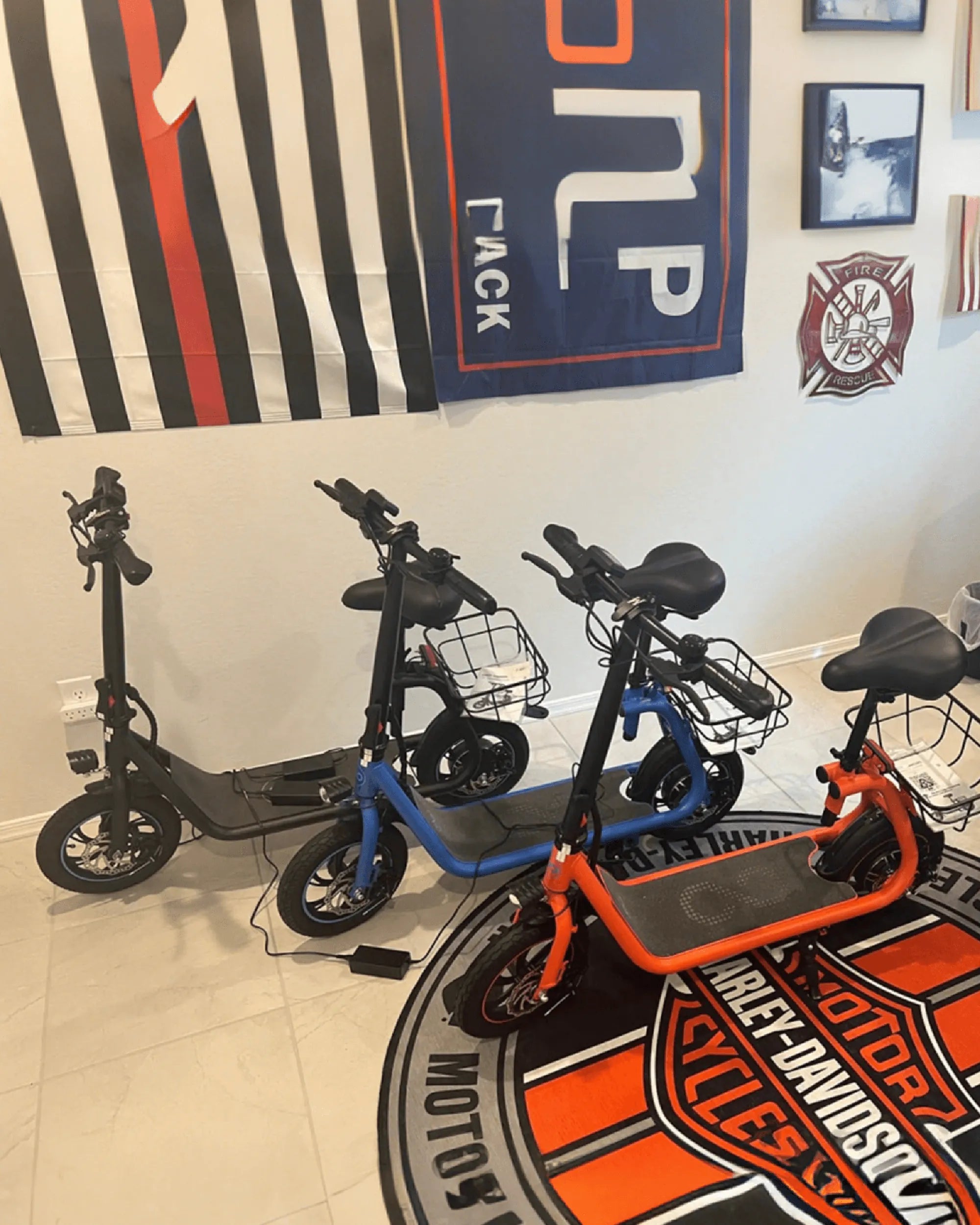
Electric scooters have surged in popularity as a convenient, eco-friendly, and cost-effective mode of transportation. Whether you're commuting to work, running errands, or just enjoying a leisurely ride, choosing the right electric scooter can make all the difference. But with so many options available, how do you know which features truly matter? This electric scooter buying guide will walk you through the key features to consider before making your purchase.
Battery Life and Range
One of the most critical features of an electric scooter is its battery life. The range determines how far you can travel on a single charge. Most scooters offer a range between 15 to 50 miles, depending on the battery capacity and riding conditions. If you plan to use your scooter for long commutes, opt for a model with a higher range. Additionally, consider the charging time—some batteries take as little as 3 hours to charge, while others may require up to 8 hours.
Motor Power and Speed
The motor power directly impacts the scooter's speed and ability to handle inclines. Scooters typically range from 250W to 1000W or more. A 250W motor is sufficient for flat terrains and short distances, while a 500W or higher motor is better for hilly areas or faster speeds. If you're looking for a thrill, some high-performance scooters can reach speeds of 30 mph or more, but always prioritize safety and local speed regulations.
Weight and Portability
Portability is a key factor, especially if you plan to carry your scooter on public transport or store it in tight spaces. Lightweight models (under 30 lbs) are easier to handle but may sacrifice durability or battery life. Foldable designs are a great option for commuters, as they allow for easy storage and transport. Check the folded dimensions to ensure it fits your storage needs.
Tire Type
Electric scooters come with either pneumatic (air-filled) or solid tires. Pneumatic tires provide a smoother ride by absorbing shocks, but they are prone to punctures. Solid tires are maintenance-free and puncture-proof but may result in a rougher ride. Some scooters feature hybrid or honeycomb tires, offering a balance between comfort and durability.
Braking System
A reliable braking system is essential for safety. Common types include disc brakes, drum brakes, and regenerative brakes. Disc brakes offer strong stopping power, while regenerative brakes help recharge the battery slightly when braking. Some scooters combine multiple braking systems for enhanced safety. Always test the brakes to ensure they respond quickly and smoothly.
Suspension
Suspension systems improve ride comfort, especially on uneven terrain. Scooters may have spring, hydraulic, or rubber suspension. If you frequently ride on rough roads, a scooter with suspension will make your journey much more enjoyable. However, suspension adds weight and cost, so consider whether it's a necessity for your needs.
Weight Capacity
Every scooter has a maximum weight limit, usually between 220 to 330 lbs. Exceeding this limit can affect performance and safety. Check the manufacturer's specifications to ensure the scooter can support your weight, plus any additional cargo you might carry.
Additional Features
Modern electric scooters come with a variety of extra features, such as LED displays, smartphone connectivity, and built-in lights for night riding. Some models even offer GPS tracking or anti-theft alarms. While these features aren't essential, they can enhance your riding experience and provide added convenience.
Choosing the perfect electric scooter doesn't have to be overwhelming. By focusing on these key features—battery life, motor power, portability, tires, brakes, suspension, weight capacity, and extras—you'll be well-equipped to find a scooter that meets your needs and budget. Ready to hit the road? Your ideal electric scooter is just a few clicks away!
Fastest Road Legal Electric Scooter: Speed Meets Sustainability
Fastest Road Legal Electric Scooter: Speed Meets Sustainability