


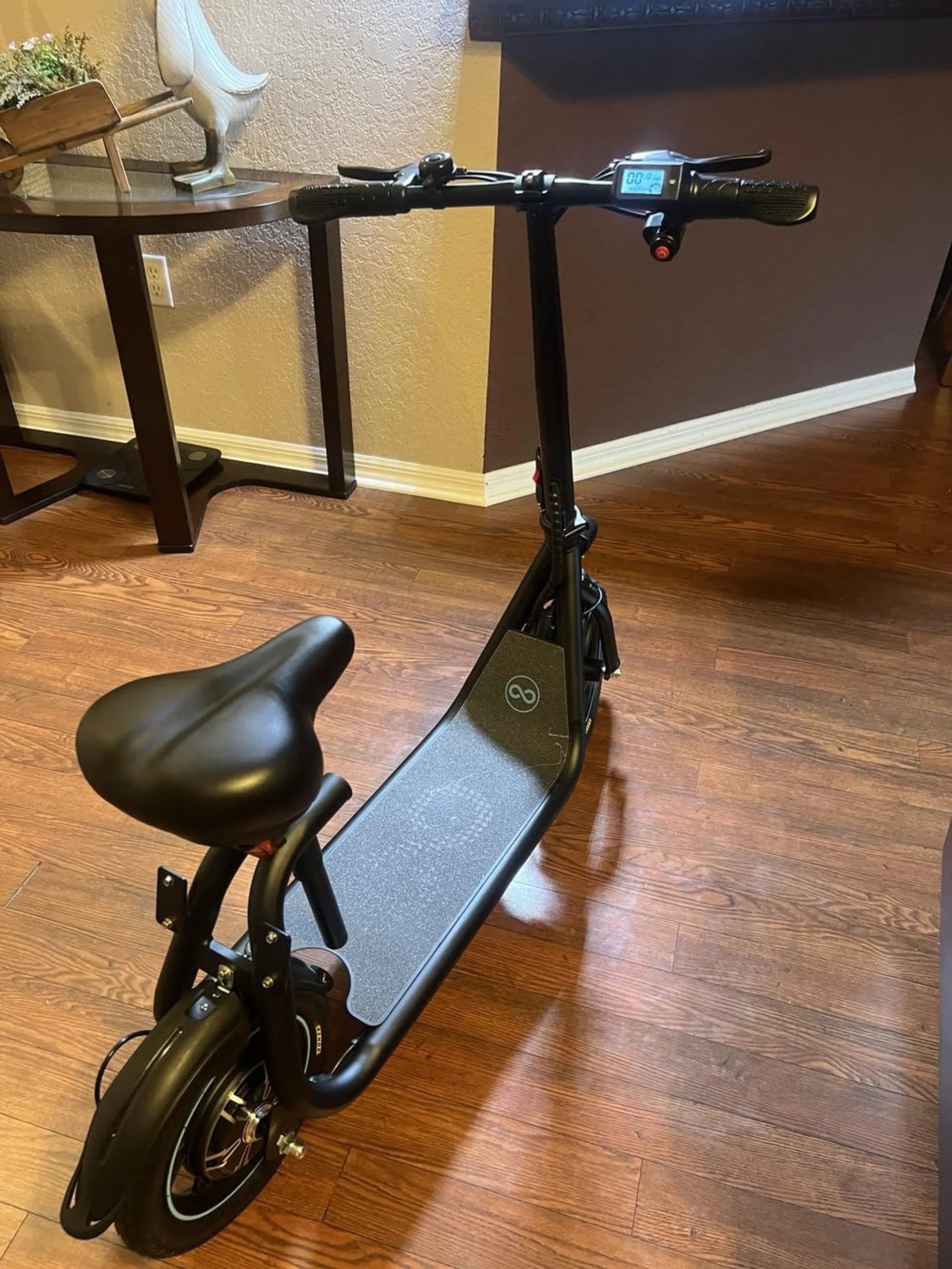
Electric scooters have become a popular mode of urban transportation, offering convenience and eco-friendly benefits. However, one of the most overlooked aspects of owning an electric scooter is charger compatibility. Using the wrong charger can damage your scooter’s battery, reduce its lifespan, or even pose safety risks. In this comprehensive guide, we’ll explore everything you need to know about electric scooter charger compatibility to keep your ride running smoothly.
Why Charger Compatibility Matters
Electric scooter charger compatibility isn’t just about convenience—it’s about safety and performance. A mismatched charger can lead to overcharging, overheating, or undercharging, all of which can harm your scooter’s battery. Lithium-ion batteries, commonly used in electric scooters, are particularly sensitive to incorrect charging voltages and currents. Using an incompatible charger could void your warranty or, in extreme cases, cause a fire hazard.
Key Factors in Charger Compatibility
Voltage and Amperage
The voltage of your charger must match your scooter’s battery voltage. Most electric scooters operate on 36V, 48V, or 52V systems. Using a charger with a higher voltage can overcharge the battery, while a lower voltage may not charge it fully. Similarly, the amperage (current output) affects charging speed. A higher amperage charger will charge your scooter faster, but it must be within the manufacturer’s recommended limits to avoid damage.
Connector Types
Electric scooter chargers come with various connector types, such as barrel plugs, XLR, or proprietary connectors. Even if the voltage and amperage are correct, a mismatched connector will render the charger useless. Always check the physical compatibility of the charger’s plug with your scooter’s charging port.
Charging Protocols
Some scooters use smart charging protocols that communicate with the charger to optimize the charging process. If your scooter requires a specific protocol, a generic charger may not work, even if the voltage and connector match. Always refer to your scooter’s manual for charging specifications.
Common Compatibility Pitfalls
Many riders assume that any charger with the right connector will work, but this isn’t true. Here are some common mistakes to avoid:
- Using a fast charger not designed for your scooter: While fast charging is convenient, it can degrade your battery over time if not supported by the manufacturer.
- Ignoring the charger’s output specifications: Even if the connector fits, the charger’s output must match your scooter’s requirements.
- Using third-party chargers without verification: Cheap, off-brand chargers may not meet safety standards, increasing the risk of malfunctions.
How to Ensure Compatibility
To avoid compatibility issues, follow these steps:
- Check your scooter’s manual: The manufacturer’s guidelines are the best source for charger specifications.
- Look for certified chargers: Opt for chargers that are certified by reputable organizations to ensure safety and compatibility.
- Test before regular use: If you’re using a new charger, monitor the charging process closely the first few times to ensure it works correctly.
The Future of Charger Compatibility
As electric scooters evolve, manufacturers are working toward standardized charging solutions. Universal chargers and wireless charging technologies are on the horizon, which could simplify compatibility issues. Until then, staying informed about your scooter’s charging requirements is the best way to protect your investment.
Don’t let charger compatibility issues slow you down—understanding the basics can save you time, money, and potential safety hazards. Whether you’re a daily commuter or a weekend rider, ensuring your charger matches your scooter’s needs will keep you rolling smoothly for miles to come.
Mid Drive Electric Dirt Bike: The Future of Off-Road Adventure
Mid Drive Electric Dirt Bike: The Future of Off-Road Adventure