

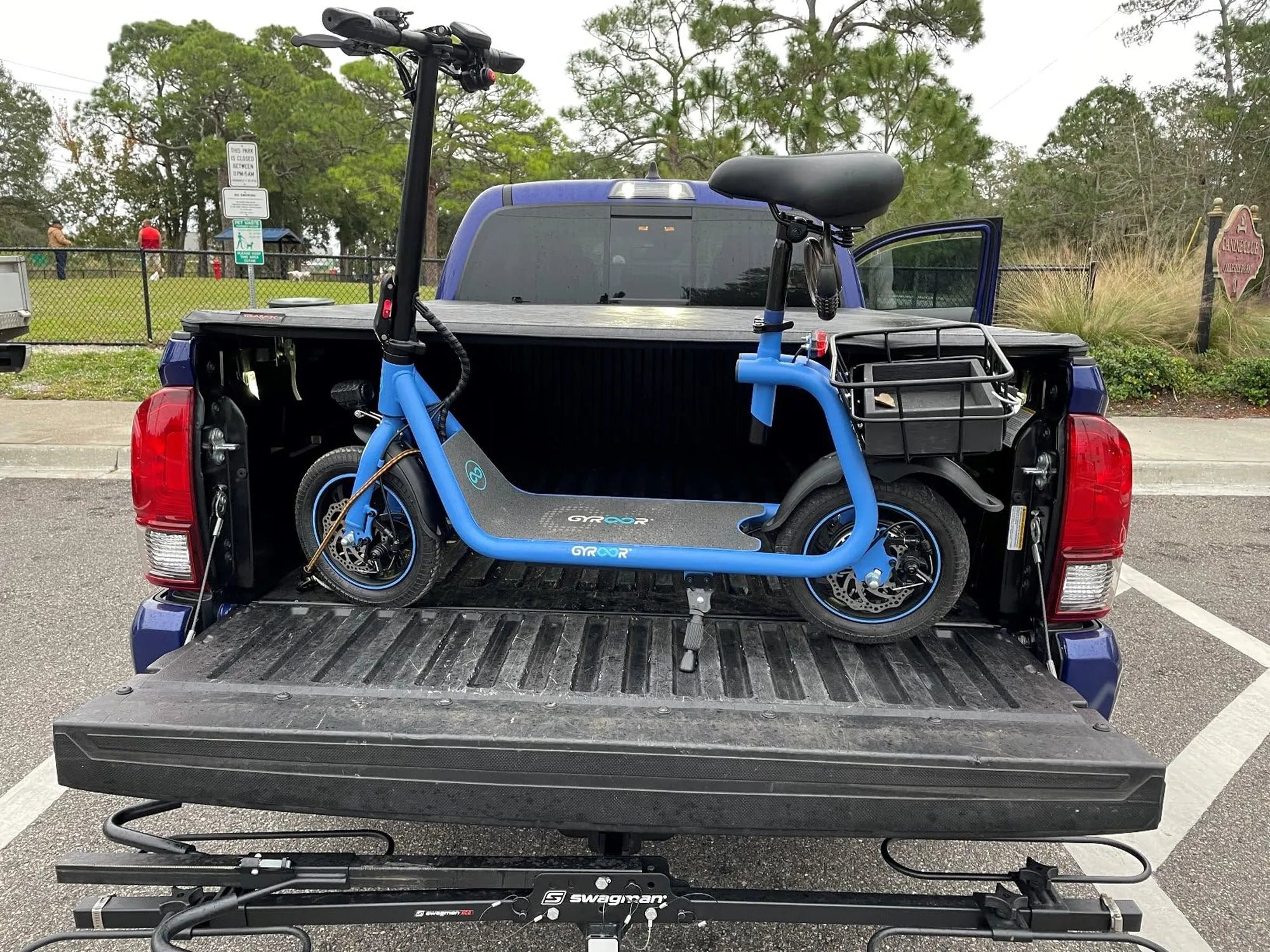
Electric scooters have revolutionized urban mobility, offering a convenient and eco-friendly way to navigate busy streets. But what powers these sleek machines? The answer lies in their electric scooter charger—a small yet crucial component that keeps your ride running smoothly. Whether you're a daily commuter or a weekend rider, understanding how to charge your scooter properly can make all the difference in performance and battery life. Let's dive into the world of electric scooter chargers and uncover the secrets to efficient and safe charging.
How Electric Scooter Chargers Work
An electric scooter charger is more than just a plug-and-play device. It converts AC power from your wall outlet into DC power, which is then stored in your scooter's battery. Most chargers consist of a transformer, rectifier, and voltage regulator, ensuring the battery receives the correct voltage and current. Chargers are designed to stop supplying power once the battery is fully charged, preventing overcharging and potential damage.
Types of Electric Scooter Chargers
Not all chargers are created equal. Here are the most common types:
- Standard Chargers: These are the most basic chargers, typically taking 4-8 hours to fully charge a scooter.
- Fast Chargers: These reduce charging time significantly, often reaching full capacity in 2-4 hours.
- Portable Chargers: Compact and lightweight, these are ideal for riders on the go.
Tips for Efficient Charging
To get the most out of your electric scooter charger, follow these best practices:
- Always use the charger provided by the manufacturer or a compatible alternative.
- Avoid charging your scooter in extreme temperatures, as this can damage the battery.
- Unplug the charger once the battery is fully charged to prevent overcharging.
- Store your charger in a cool, dry place when not in use.
Safety Precautions
Charging your electric scooter safely is paramount. Here are some key safety tips:
- Never leave your scooter charging unattended for long periods.
- Inspect the charger and cables regularly for signs of wear or damage.
- Avoid using extension cords, as they can overheat and cause a fire hazard.
- Charge your scooter in a well-ventilated area to prevent overheating.
Extending Battery Life
Your charging habits directly impact your scooter's battery lifespan. To prolong battery life:
- Avoid letting the battery drain completely before recharging.
- Charge your scooter at least once every few weeks, even if you're not using it.
- Store your scooter with a partially charged battery (around 50-60%) if you won't be using it for an extended period.
Common Charging Mistakes to Avoid
Even experienced riders can make mistakes when charging their scooters. Here are some pitfalls to steer clear of:
- Using a charger with the wrong voltage or amperage.
- Charging the scooter immediately after a long ride (let the battery cool down first).
- Ignoring unusual sounds or smells coming from the charger.
The Future of Electric Scooter Chargers
As technology advances, so do charging solutions. Wireless charging and solar-powered chargers are emerging trends that could redefine how we power our scooters. These innovations promise greater convenience and sustainability, making electric scooters an even more attractive option for urban commuters.
Ready to take your electric scooter experience to the next level? By mastering the art of charging, you'll not only extend your scooter's lifespan but also enjoy smoother, more reliable rides. Whether you're a new rider or a seasoned pro, these tips will help you get the most out of your electric scooter charger—so you can hit the road with confidence every time.
Fat Person Electric Scooter: The Ultimate Guide for Heavy Riders
Long Lasting Electric Scooter China: The Future of Urban Mobility