



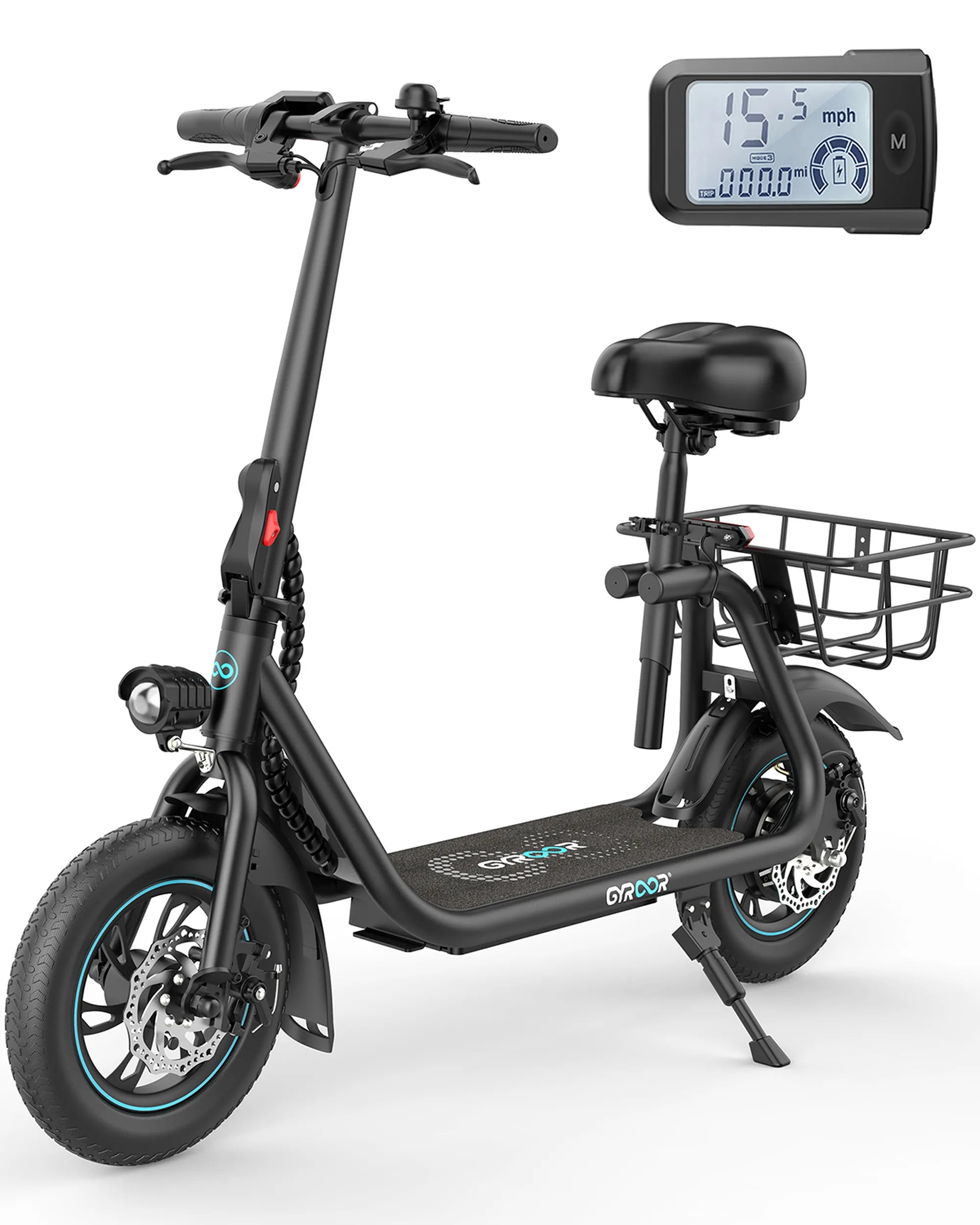
Electric scooters have revolutionized urban mobility, offering a convenient and eco-friendly way to navigate busy streets. But behind every smooth ride is a reliable electric scooter charger, the unsung hero that keeps your scooter powered up and ready to go. Whether you're a daily commuter or a weekend rider, understanding how to properly charge your scooter can make all the difference in performance and longevity.
How Does an Electric Scooter Charger Work?
An electric scooter charger is designed to convert AC power from your wall outlet into DC power that your scooter's battery can store. Most chargers consist of a power adapter and a connector that plugs into your scooter's charging port. The charger regulates voltage and current to ensure the battery charges safely and efficiently.
Types of Electric Scooter Chargers
Not all chargers are created equal. Here are the most common types you'll encounter:
- Standard Chargers: These are the most basic chargers that come with most scooters. They typically charge at a slower rate.
- Fast Chargers: These deliver higher current to reduce charging time, but may generate more heat.
- Smart Chargers: These advanced chargers monitor battery health and adjust charging parameters accordingly.
Charging Time and Battery Life
Charging time depends on several factors including battery capacity, charger output, and the scooter's power requirements. A typical electric scooter might take 4-8 hours to fully charge. To maximize battery life:
- Avoid letting the battery fully discharge regularly
- Don't leave the scooter plugged in for extended periods after reaching full charge
- Store your scooter with about 50% charge if not using for long periods
Safety Tips for Using Your Electric Scooter Charger
Safety should always be your top priority when charging. Follow these guidelines:
- Only use the charger designed for your specific scooter model
- Inspect the charger and cables regularly for damage
- Charge in a well-ventilated area away from flammable materials
- Don't charge immediately after riding when the battery is hot
- Unplug the charger when not in use
Troubleshooting Common Charging Issues
If you're experiencing problems with your electric scooter charger, here are some common issues and solutions:
- Charger not working: Check power outlet, cables, and connections
- Scooter not charging: Inspect charging port for debris or damage
- Slow charging: Verify you're using the correct charger specifications
- Overheating: Allow components to cool before attempting to charge again
Choosing the Right Replacement Charger
If you need to replace your electric scooter charger, pay attention to:
- Output voltage (must match your scooter's requirements)
- Current rating (higher amps charge faster but check manufacturer recommendations)
- Connector type and polarity
- Safety certifications
Future of Electric Scooter Charging Technology
The world of electric scooter charging is evolving rapidly. Emerging technologies include:
- Wireless charging pads for convenient top-ups
- Solar-powered charging options for eco-conscious riders
- Battery swapping stations for instant power replacement
- AI-powered charging systems that optimize based on usage patterns
Your electric scooter charger is more than just a power supply - it's the lifeline that keeps your rides smooth and reliable. By understanding how to use and maintain your charger properly, you'll enjoy longer battery life, better performance, and peace of mind knowing you're charging safely. The next time you plug in, remember that this small device plays a big role in your electric scooter experience.
Are E-Scooters Legal? A Comprehensive Guide to Electric Scooter Laws
Electric Scooters Bulgaria: The Future of Urban Mobility