

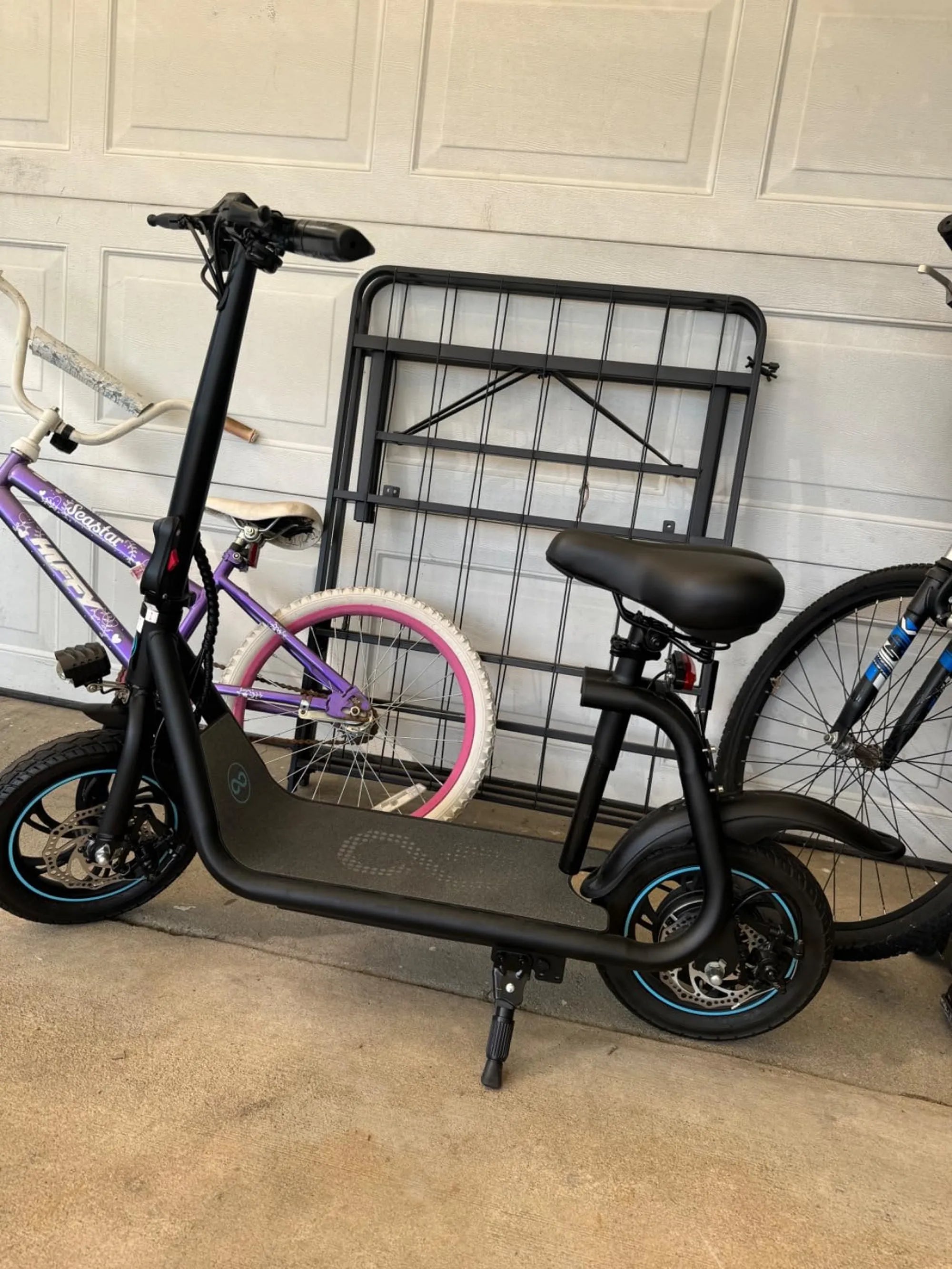
Electric scooters have revolutionized urban mobility, offering a convenient and eco-friendly way to navigate crowded streets. But what keeps these zippy machines running? The answer lies in the often-overlooked yet critical component: the electric scooter charging connector. Whether you're a daily commuter or a weekend rider, understanding this small but mighty part can save you time, money, and frustration.
What Is an Electric Scooter Charging Connector?
An electric scooter charging connector is the interface between your scooter's battery and the power source. It ensures a secure and efficient transfer of electricity to recharge the battery. These connectors come in various shapes, sizes, and specifications, depending on the scooter model and manufacturer.
Types of Electric Scooter Charging Connectors
Not all charging connectors are created equal. Here are the most common types you might encounter:
- Barrel Connectors: These cylindrical plugs are widely used due to their simplicity and affordability.
- XLR Connectors: Known for their durability, these are often found in higher-end models.
- USB-C Connectors: Emerging as a modern standard, these offer faster charging and universal compatibility.
- Proprietary Connectors: Some manufacturers design unique connectors to ensure brand-specific charging solutions.
How to Choose the Right Charging Connector
Selecting the correct connector is crucial for safety and performance. Here’s what to consider:
- Compatibility: Check your scooter's manual or existing connector to match the type and voltage.
- Durability: Opt for connectors with robust materials like reinforced plastic or metal housings.
- Water Resistance: If you ride in wet conditions, look for connectors with IP ratings for moisture protection.
- Ease of Use: A connector that’s easy to plug and unplug can save you time and hassle.
Safety Tips for Using Charging Connectors
Handling electricity requires caution. Follow these safety guidelines:
- Always unplug the charger from the wall before connecting or disconnecting it from the scooter.
- Avoid using damaged or frayed cables, as they can pose fire or shock hazards.
- Keep the connector and charging port clean and free from debris to prevent poor connections.
- Never force a connector into the port; if it doesn’t fit easily, double-check compatibility.
Maintaining Your Charging Connector
Proper care can extend the life of your connector and ensure reliable charging:
- Regularly inspect the connector for signs of wear, corrosion, or damage.
- Clean the contacts with a dry cloth or a small brush to remove dust or oxidation.
- Store the charger in a dry, cool place to prevent exposure to extreme temperatures or moisture.
- Avoid bending or twisting the cable excessively, as this can weaken internal wires.
Troubleshooting Common Charging Issues
If your scooter isn’t charging, the connector might be the culprit. Try these steps:
- Check if the connector is fully inserted into the charging port.
- Test the charger with another compatible device to rule out power supply issues.
- Inspect the connector and port for dirt or debris that could block the connection.
- If the connector is loose or wobbly, it may need replacement.
The Future of Electric Scooter Charging Connectors
As technology advances, so do charging solutions. Wireless charging and universal connector standards are on the horizon, promising even greater convenience for riders. Staying informed about these developments can help you make smarter choices for your scooter’s charging needs.
Your electric scooter’s charging connector might be small, but its role is huge. By choosing the right one, practicing safety, and maintaining it properly, you can ensure your rides are always powered up and ready to go. Don’t let a faulty connector slow you down—take charge of your scooter’s charging health today!
Balance Bike or Scooter for 18-Month-Old: The Ultimate Guide to Early Riding Fun
Electric Scooter 9 Inch: The Ultimate Guide to Compact Urban Mobility