



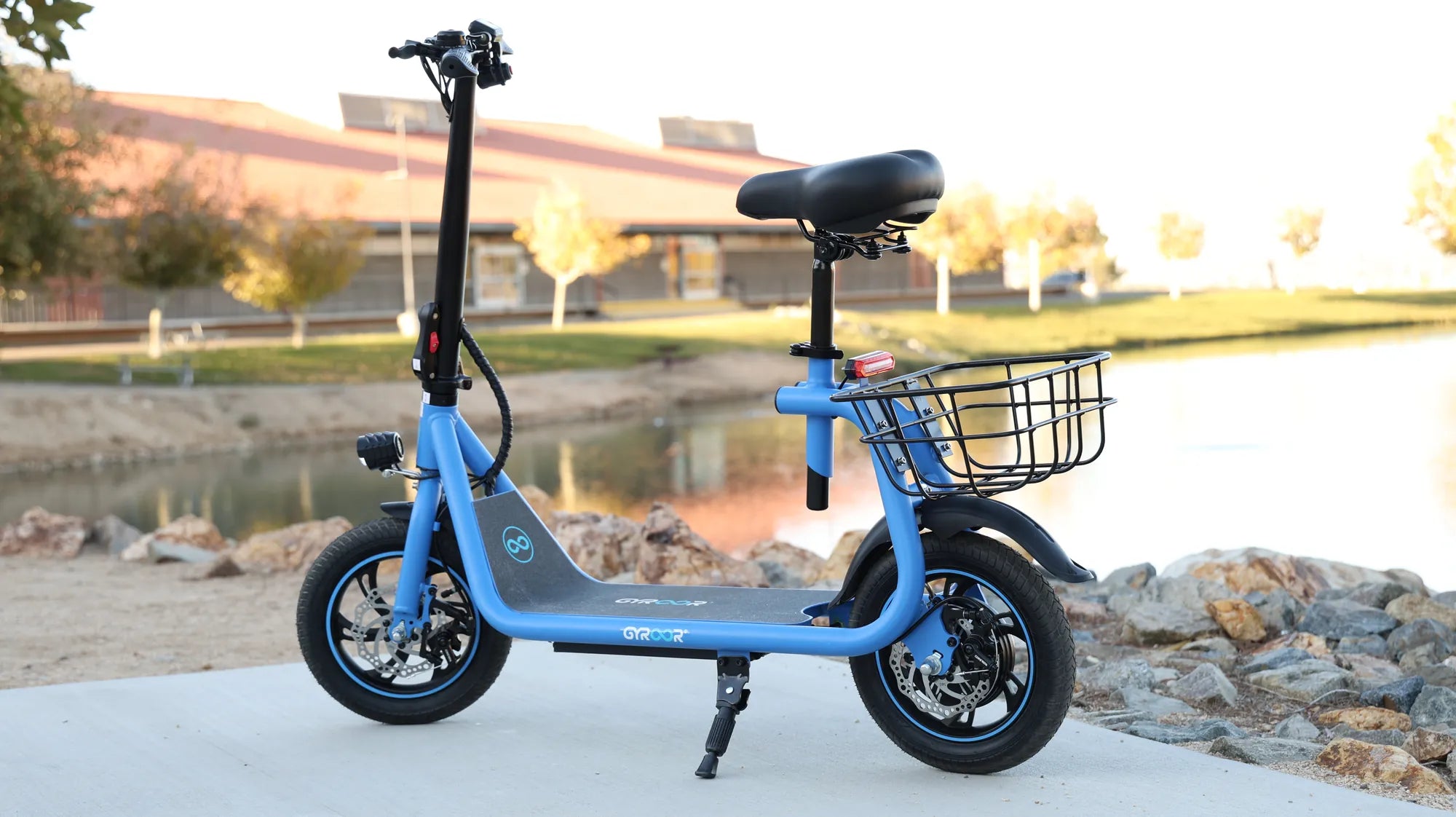
Electric scooters have surged in popularity as a convenient, eco-friendly, and cost-effective mode of transportation. Whether you're a daily commuter or an occasional rider, understanding the true cost of owning an electric scooter is crucial. This guide will break down the key factors to consider when comparing electric scooter costs, helping you find the best value for your needs.
Upfront Costs: What to Expect
The initial price of an electric scooter can vary widely depending on features, build quality, and performance. Entry-level models may start as low as a few hundred dollars, while high-end options can exceed a couple of thousand. Here's what influences the upfront cost:
- Motor Power: Higher wattage motors offer better speed and hill-climbing ability but come at a premium.
- Battery Capacity: Scooters with larger batteries provide longer ranges but are more expensive.
- Build Materials: Lightweight yet durable materials like aluminum or carbon fiber increase the price.
- Additional Features: Extras like suspension, LED displays, and app connectivity add to the cost.
While it's tempting to opt for the cheapest model, investing in a higher-quality scooter can save you money in the long run by reducing maintenance and replacement costs.
Ongoing Expenses: Maintenance and Repairs
Beyond the purchase price, electric scooters come with recurring costs that can add up over time. Here are the most common ongoing expenses:
- Tire Replacements: Pneumatic tires offer a smoother ride but may need replacing more often than solid tires.
- Brake Maintenance: Disc brakes require occasional adjustments or pad replacements.
- Battery Degradation: Over time, battery capacity diminishes, potentially necessitating a replacement after a few years.
- Charging Costs: While minimal, electricity usage for charging should be factored into your budget.
Regular maintenance can extend your scooter's lifespan and prevent costly repairs. Always follow the manufacturer's guidelines for care and servicing.
Hidden Costs to Consider
Many buyers overlook less obvious expenses when comparing electric scooter costs. These hidden fees can impact your overall budget:
- Insurance: Some regions require insurance for electric scooters, adding to your monthly expenses.
- Accessories: Helmets, locks, and storage solutions are often necessary but not included in the base price.
- Parking Fees: In urban areas, you may need to pay for secure parking or storage.
- Replacement Parts: Custom or proprietary components can be expensive to replace.
Factoring in these additional costs will give you a more accurate picture of the total investment required.
Long-Term Savings: How Electric Scooters Pay Off
While the initial outlay for an electric scooter might seem steep, the long-term savings compared to other transportation methods can be substantial. Here's how:
- Fuel Savings: Electric scooters cost pennies per charge compared to gasoline for cars or motorcycles.
- Public Transport Reduction: Owning a scooter can eliminate or reduce your reliance on buses, trains, or rideshares.
- Parking Savings: Many cities offer free or discounted parking for electric scooters.
- Time Efficiency: Scooters can bypass traffic, saving you valuable time on your commute.
When calculating your potential savings, consider how often you'll use the scooter and what alternative transportation methods it will replace.
Comparing New vs. Used Electric Scooters
Purchasing a used electric scooter can significantly reduce your upfront costs, but it comes with trade-offs. Here's what to weigh when considering a pre-owned model:
- Battery Health: Used scooters may have diminished battery life, reducing their range.
- Wear and Tear: Check for signs of damage or excessive use that could lead to future repairs.
- Warranty Status: Most warranties don't transfer to second owners, leaving you unprotected.
- Technology Updates: Older models may lack newer safety features or performance enhancements.
If you opt for a used scooter, always inspect it thoroughly and test ride it before purchasing. Buying from a reputable seller can also reduce risks.
Cost vs. Performance: Finding the Right Balance
The most expensive electric scooter isn't necessarily the best choice for everyone. Consider how you'll use your scooter to determine the right balance between cost and performance:
- Commuting Distance: Shorter commutes may not justify the premium for extended-range models.
- Terrain: Flat urban areas require less power than hilly neighborhoods.
- Frequency of Use: Occasional riders might prioritize affordability over durability.
- Portability Needs: If you'll carry your scooter often, weight becomes a crucial factor.
By matching the scooter's capabilities to your specific needs, you can avoid overspending on unnecessary features.
Financing Options and Payment Plans
If the upfront cost of an electric scooter is prohibitive, explore these financing alternatives:
- Retailer Financing: Many sellers offer installment plans with little or no interest.
- Credit Cards: Some cards provide interest-free periods for large purchases.
- Personal Loans: Banks or online lenders may offer competitive rates for transportation purchases.
- Leasing Programs: Some companies offer scooter subscriptions or short-term rentals.
While financing can make ownership more accessible, be sure to calculate the total cost including any interest or fees.
Resale Value and Depreciation
Like any vehicle, electric scooters lose value over time. Understanding depreciation can help you make a smarter purchase:
- Brand Reputation: Scooters from well-known manufacturers typically hold their value better.
- Condition Maintenance: Keeping your scooter clean and well-maintained preserves resale value.
- Market Demand: Popular models in good condition command higher resale prices.
- Technology Obsolescence: Newer models with advanced features can make older scooters less desirable.
If you plan to upgrade in a few years, consider how much you might recoup from selling your current scooter.
Environmental Cost Savings
Beyond personal finances, electric scooters offer environmental benefits that translate to societal cost savings:
- Reduced Emissions: Electric scooters produce zero direct emissions, improving air quality.
- Lower Energy Consumption: They require far less energy to operate than cars or motorcycles.
- Decreased Traffic Congestion: More scooters mean fewer cars on the road during peak hours.
- Reduced Infrastructure Wear: Lightweight scooters cause less damage to roads compared to heavier vehicles.
While these benefits don't directly impact your wallet, they contribute to the broader value proposition of electric scooters.
Electric scooters represent more than just a trendy way to get around—they're a smart financial decision for many commuters. By carefully comparing all aspects of electric scooter costs, from purchase price to long-term savings, you can find the perfect balance between affordability and performance. Whether you're looking to cut commuting expenses or reduce your environmental footprint, the right electric scooter could be the solution you've been searching for.
Market Place Electric Scooter: The Future of Urban Mobility
1600W Electric Scooter UK: The Ultimate Guide to Power and Performance