


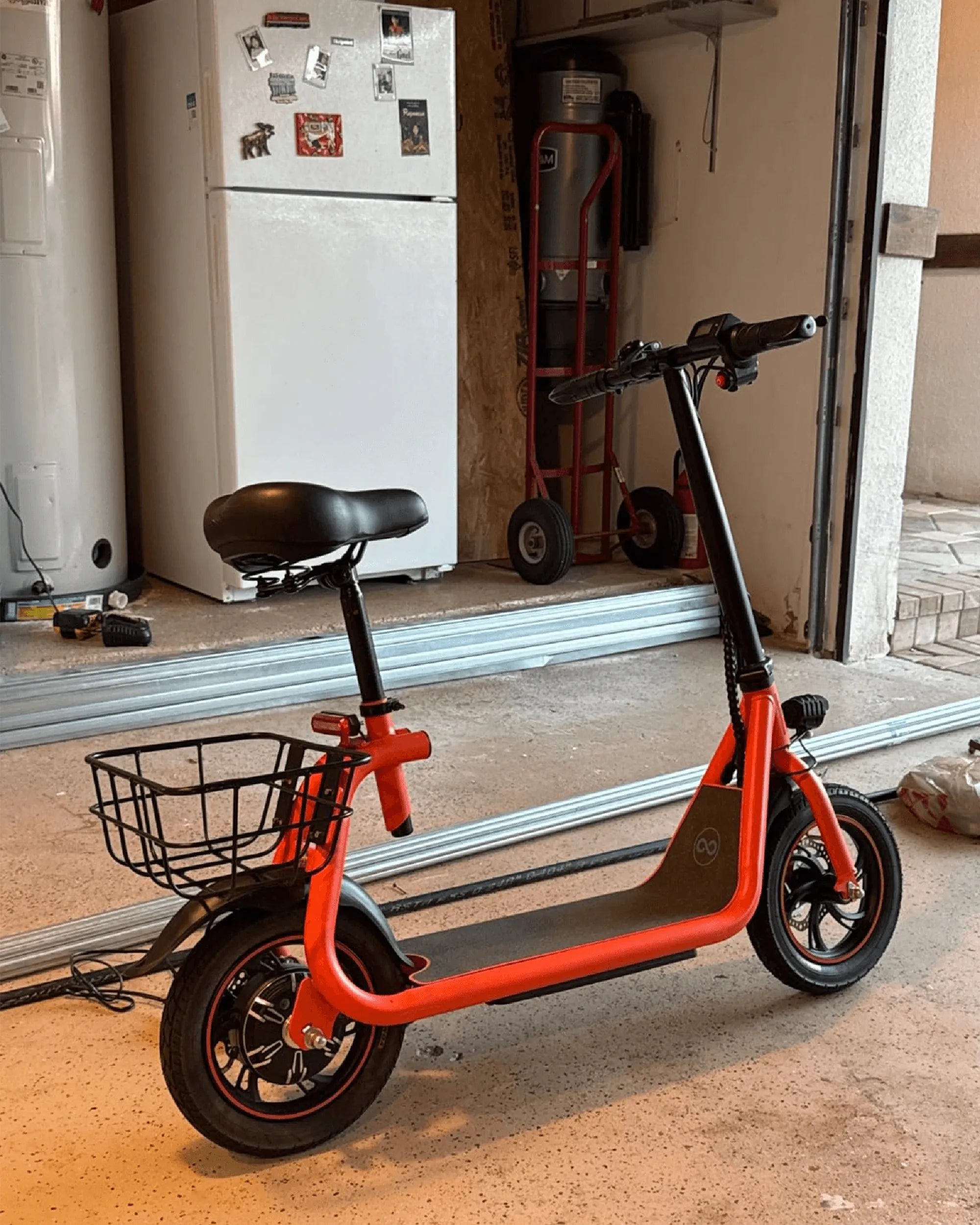
Electric scooters have surged in popularity as a quick and eco-friendly way to navigate urban environments. However, beneath their sleek design and convenience lie several drawbacks that potential riders should consider. From safety risks to legal hurdles, understanding these challenges can help you decide whether an electric scooter is the right choice for your commute.
Safety Concerns
One of the most pressing drawbacks of electric scooters is their safety risks. Unlike cars or bicycles, scooters offer minimal protection in the event of an accident. Riders are exposed to traffic, uneven terrain, and unpredictable obstacles, increasing the likelihood of injuries. Studies have shown that electric scooter accidents often result in fractures, head injuries, and even fatalities, especially when riders neglect to wear helmets.
Limited Range and Battery Life
While electric scooters are praised for their portability, their limited range can be a significant drawback. Most models offer a range of 15 to 30 miles on a single charge, which may not suffice for longer commutes. Additionally, battery performance degrades over time, reducing the scooter's efficiency. Riders must plan their routes carefully to avoid being stranded with a dead battery.
Legal Restrictions
Electric scooters operate in a legal gray area in many cities. Some regions classify them as motor vehicles, requiring licenses and registration, while others ban them altogether from sidewalks and bike lanes. Riders must stay informed about local regulations to avoid fines or confiscation of their scooters. The lack of uniform laws adds another layer of complexity for commuters.
Weather Dependence
Electric scooters are highly susceptible to weather conditions. Rain, snow, or even strong winds can make riding dangerous or impractical. Wet surfaces reduce traction, increasing the risk of skidding, while cold temperatures can drain the battery faster. For riders in regions with unpredictable weather, relying solely on an electric scooter may not be feasible.
Maintenance and Repair Costs
Owning an electric scooter comes with ongoing maintenance expenses. Tires, brakes, and batteries require regular replacements, and repairs can be costly if the scooter is out of warranty. Unlike bicycles, which are relatively simple to fix, electric scooters often need professional servicing, adding to the long-term cost of ownership.
Environmental Impact
While electric scooters are marketed as eco-friendly, their environmental benefits are not absolute. The production and disposal of lithium-ion batteries contribute to pollution, and the energy used to charge scooters often comes from non-renewable sources. Additionally, the short lifespan of many models leads to increased electronic waste, undermining their sustainability claims.
Lack of Infrastructure
Many cities lack the infrastructure to support electric scooters safely. Poorly maintained roads, inadequate bike lanes, and a lack of parking spaces create hazards for riders. Without dedicated pathways, scooters often end up cluttering sidewalks or obstructing pedestrian traffic, leading to conflicts with pedestrians and local authorities.
Noise and Nuisance
Electric scooters are quieter than gas-powered vehicles, but they are not entirely silent. The whirring of motors and the sound of wheels on pavement can be disruptive in residential areas. Moreover, reckless riding and abandoned scooters have sparked complaints in many communities, prompting calls for stricter regulations.
Physical Strain
Riding an electric scooter may seem effortless, but it can strain the body over time. Standing for extended periods can lead to fatigue, and the lack of suspension on many models transmits vibrations from rough terrain to the rider's legs and back. For individuals with pre-existing joint or muscle issues, this can make scooting uncomfortable or even painful.
Theft and Vandalism
Electric scooters are prime targets for theft due to their portability and high resale value. Even with locks, determined thieves can dismantle or carry them away. Shared scooters, in particular, face vandalism, with many being damaged or thrown into waterways. Owners must invest in robust security measures to protect their investment.
Electric scooters may seem like the perfect urban transport solution, but their drawbacks are hard to ignore. From safety risks to legal hassles, these challenges can turn a convenient ride into a frustrating experience. Before hopping on an electric scooter, weigh the pros and cons carefully to ensure it aligns with your lifestyle and needs.
Electric Scooter for Adventure: The Ultimate Guide to Exploring the Outdoors
Electric Scooter for Adventure: The Ultimate Guide to Exploring the Outdoors