



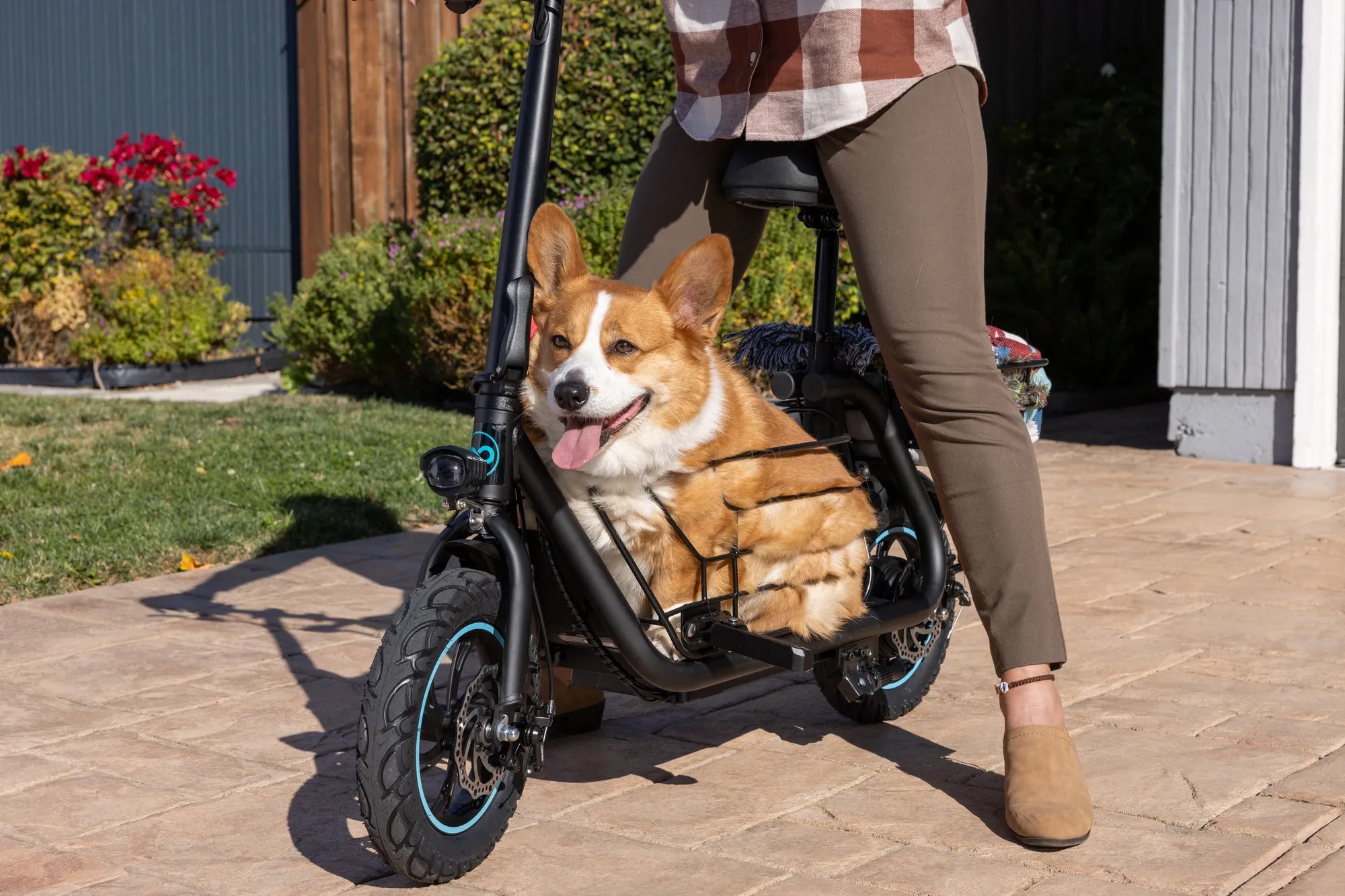
The rise of electric scooters for commercial use is reshaping how businesses and cities approach urban mobility. With growing concerns about traffic congestion, pollution, and rising transportation costs, electric scooters present a compelling alternative for last-mile delivery, corporate campuses, and shared mobility services. This article explores the benefits, challenges, and future potential of electric scooters in commercial settings.
Why Electric Scooters Are Ideal for Commercial Use
Electric scooters offer numerous advantages for businesses looking to optimize their operations. Their compact size allows for easy maneuverability in crowded urban environments, reducing delivery times and improving efficiency. Unlike traditional gas-powered vehicles, electric scooters produce zero emissions, making them an environmentally friendly choice for companies committed to sustainability.
Cost savings are another significant benefit. Electric scooters require minimal maintenance compared to cars or motorcycles, and their energy costs are substantially lower. For businesses operating fleets, the reduced overhead can translate into substantial long-term savings.
Applications of Electric Scooters in Commercial Settings
From food delivery to corporate campuses, electric scooters are finding diverse applications in the commercial sector. Here are some of the most common use cases:
- Last-Mile Delivery: Couriers and logistics companies are increasingly adopting electric scooters to navigate dense urban areas quickly.
- Shared Mobility Services: Rental fleets provide affordable and convenient transportation options for short-distance commuters.
- Corporate Campuses: Large businesses use electric scooters to help employees move efficiently between buildings.
- Tourism and Hospitality: Hotels and tour operators offer scooters as a fun and eco-friendly way for guests to explore local attractions.
Challenges and Considerations
While electric scooters offer many benefits, there are challenges to consider. Infrastructure, such as charging stations and dedicated lanes, is still lacking in many cities. Regulatory hurdles also vary by location, with some municipalities imposing strict rules on scooter usage.
Safety is another critical factor. Businesses must ensure that riders are properly trained and equipped with protective gear. Additionally, battery life and range limitations may require careful route planning for delivery services.
The Future of Electric Scooters in Commercial Use
As technology advances, electric scooters are expected to become even more efficient and versatile. Innovations in battery technology, such as faster charging and longer ranges, will further enhance their appeal for commercial applications. Smart features, like GPS tracking and IoT connectivity, will enable businesses to manage fleets more effectively.
With cities worldwide prioritizing sustainable transportation, the adoption of electric scooters for commercial use is set to accelerate. Businesses that embrace this trend early will gain a competitive edge while contributing to a greener future.
Ready to revolutionize your business operations? Electric scooters for commercial use are not just a trend—they’re the future of urban mobility, offering unmatched efficiency, sustainability, and cost savings. Don’t get left behind!
Brand New Electric Scooter: The Future of Urban Mobility
Can We Take Electric Scooter in Flight? A Complete Travel Guide