



Navigating the World of Kids' Electric Scooters
Finding the right electric scooter for an 11-year-old involves balancing excitement with safety. This age marks a significant transition where children seek more independence and capability from their toys. An electric scooter for kids 11 years old must be powerful enough to be engaging yet engineered with robust safety features for parental peace of mind.
This guide cuts through the marketing noise with factual, data-driven advice. We will analyze the critical safety specifications, durability factors, and performance metrics that matter most. You will learn how to interpret motor power, battery safety certifications, and braking systems to make an informed choice.
Our goal is to empower you with the knowledge to select a scooter that fosters fun and responsibility. We will reference industry standards and specific features from reputable brands to provide clear benchmarks. Let's begin by understanding why age eleven is such a pivotal moment for this purchase.
Why 11 is the Perfect Age for a First "Real" E-Scooter
Eleven-year-olds are at a unique developmental sweet spot. Their physical coordination, cognitive judgment, and sense of responsibility have matured significantly since earlier childhood. They can understand and follow complex safety rules, anticipate obstacles, and react more quickly to their environment.
Physically, the average 11-year-old has the strength and balance to handle a scooter with a modest motor. They are typically too large for toddler-style kick scooters but not yet ready for adult-sized, high-speed models. A youth-specific electric scooter for kids 11 years old bridges this gap perfectly.
This age also aligns with a growing desire for independent mobility within the neighborhood. A reliable e-scooter can grant a sense of freedom for trips to a friend's house or the local park. It encourages outdoor activity while operating under the clear boundaries and controls you set as a parent.
Choosing a scooter now invests in a product that can grow with them for several years. A well-built model with an appropriate weight limit and adjustable features will remain relevant as they grow, providing excellent value and countless hours of adventure.
Key Safety Features Every Parent Must Look For
Safety is the non-negotiable foundation of any kids' electric scooter. Beyond basic construction, specific engineered systems are critical for preventing accidents and ensuring long-term reliability. Prioritizing these features separates quality products from potentially hazardous ones.
The most important aspects are battery certification, braking performance, and controllable speed. These three elements work together to manage risk. A failure in any one can lead to dangerous situations, from loss of control to thermal incidents.
Brands that prioritize safety, like Gyroor, design these features into their core architecture. They use UL-certified battery packs, implement dual-braking systems, and include parental speed locks. This multi-layered approach is what parents should actively seek.
The Critical Importance of a UL-Certified Battery
A UL certification mark on a scooter's battery pack is the single most important safety indicator. It means the lithium-ion battery has been tested and certified by Underwriters Laboratories for electrical and fire safety. This independent verification tests for overcharging, short-circuiting, and other failure modes.
Non-certified batteries are a significant fire hazard. They may use lower-quality cells or lack proper battery management systems (BMS). A UL-certified battery, like those used in all Gyroor models, undergoes rigorous testing for over 500 charge cycles, ensuring stability and longevity.
This certification is a proxy for overall build quality. A brand willing to invest in certified components typically applies the same rigor to welding, electrical connections, and motor assembly. Always verify this certification in the product specifications before purchasing.
Braking Systems: Disc vs. Electronic & Why It Matters
Effective braking is crucial for a child learning to manage speed. The three common types are disc brakes, electronic (E-ABS) brakes, and foot/fender brakes. For an 11-year-old, a combination system is highly recommended for redundancy and control.
A front electronic brake combined with a rear disc brake offers optimal stopping power and control. The electronic brake provides smooth, gradual deceleration, while the mechanical disc brake offers strong, immediate stopping force. This dual-system allows the rider to use both for quick stops or the electronic brake alone for slowing down.
Foot brakes, which require pressing down on the rear fender, are common on basic kick scooters but are less reliable on faster electric models, especially in wet conditions. A dedicated braking system is far superior. When evaluating an electric scooter for kids 11 years old, ensure it has at least one dedicated, hand-operated brake lever.
Speed Limits and Parental Control Modes
Adjustable speed settings are essential for gradual learning and context-specific riding. A good scooter for this age will offer at least two speed modes: a beginner mode (e.g., 7-10 mph) and a standard mode (e.g., 12-15 mph). This allows you to start your child on the lower setting until they demonstrate proficiency.
The most effective parental control is a speed mode lock that requires a PIN or a remote control to change. This prevents the child from overriding your settings without permission. Some advanced models also offer companion apps for geofencing and speed limiting.
This feature is about managed freedom. It lets your child enjoy the thrill of riding while keeping the ultimate control in your hands. It’s a critical tool for ensuring they build skills progressively before accessing higher speeds in safe environments.
Choosing the Right Specs: A Parent's Checklist
Technical specifications can be confusing. This checklist translates them into practical concerns for your child's safety and enjoyment. Focus on motor power, range, and weight limits to find a scooter that matches your child's size and intended use.
These specs are interconnected. A more powerful motor may reduce range. A higher weight capacity often means a heavier scooter frame. The goal is to find the balanced sweet spot for an 11-year-old's typical activities.
Use the following table as a quick-reference benchmark for key specifications when shopping for an electric scooter for kids 11 years old.
| Specification | Recommended Range for Age 11 | Why It Matters |
|---|---|---|
| Motor Power | 200W - 350W | Provides adequate power for hills and acceleration without being excessively fast. |
| Top Speed (Adjustable) | 10 - 15 mph | Balances fun with manageability. Should have a lower-speed beginner mode. |
| Max Range | 10 - 15 miles | Sufficient for neighborhood adventures. Real-world range is often less than advertised. |
| Max Load Capacity | 150 lbs minimum | Must safely support your child's weight with a margin for a backpack. |
| Scooter Weight | 20 - 30 lbs | Light enough for the child to carry short distances, yet sturdy enough for durability. |
| Battery Charge Time | 4 - 6 hours | Standard for lithium-ion. Faster charging can reduce overall battery lifespan. |
Motor Power & Speed: Finding the Sweet Spot
A motor between 200W and 350W is ideal for most 11-year-olds. This provides enough torque to start from a stop easily and handle gentle inclines commonly found in suburban neighborhoods. Motors significantly above 350W may deliver acceleration and top speeds that are difficult for a child to manage safely.
The advertised top speed should be around 15 mph, but crucially, it must be adjustable. The ability to limit speed to 10 mph or less for initial learning is a key safety feature. Power should be delivered smoothly, without sudden jerks, which requires a quality electronic speed controller (ESC).
Range and Battery Life: Planning for Adventures
A range of 10-15 miles is more than sufficient for local use. It's important to understand that manufacturer range estimates are based on ideal conditions: a light rider on flat, smooth pavement at a constant low speed. Real-world range with stops, starts, and slight hills will be lower.
Battery life refers to both the per-charge range and the long-term health of the battery pack. A UL-certified lithium-ion battery, when properly maintained (avoiding full discharges and extreme temperatures), should retain most of its capacity for several years of regular use.
Weight Limit, Scooter Weight, and Portability
Always choose a scooter with a maximum load capacity at least 30-40 pounds over your child's current weight. This margin accounts for growth, a backpack, and provides a built-in safety factor for the frame and components. A 150 lb minimum capacity is a good benchmark.
The scooter's own weight is a trade-off. A heavier scooter (25-30 lbs) often indicates a more robust frame and larger battery, enhancing durability and stability. However, consider if your child needs to carry it up stairs or lift it into a car. A folding mechanism significantly improves portability.
Beyond the Specs: Durability and Real-World Use
A scooter must withstand the active, sometimes rough, use of a child. Durability is determined by build quality, material choices, and design features that protect against everyday elements. These factors directly impact safety and long-term satisfaction.
Look for features like reinforced steering columns, thick deck padding, and sealed bearings. Welds should be clean and even, and all fasteners should be tight and accessible. A scooter that feels solid and rattle-free during a test push is likely well-constructed.
Brands trusted by over 100,000 riders, like Gyroor, build to these standards. They prioritize reliable performance through features like IPX5 water resistance and comprehensive warranties, which signal confidence in their product's longevity.
Build Quality and the IPX5 Water-Resistance Advantage
An IPX5 water-resistance rating is a major advantage for a kids' scooter. It certifies the scooter can withstand water jets from any direction, making it resistant to wet pavement, riding through puddles, and accidental spills. It is not waterproof for submersion, but it provides crucial protection against rain and splashes.
This rating means critical components like the battery compartment, deck electronics, and motor are sealed against moisture ingress. It dramatically increases the scooter's versatility and lifespan, allowing for use in more weather conditions without risking electrical failure.
Tire Types: Air-Filled vs. Solid for Smoother Rides
Tire choice affects comfort, maintenance, and traction. Pneumatic (air-filled) tires offer superior shock absorption, providing a smoother ride over cracks, bumps, and uneven sidewalks. This can reduce fatigue and improve control. The trade-off is the risk of punctures and the need to check air pressure.
For most 11-year-olds, pneumatic or hybrid tires are recommended for their comfort and grip, especially if riding on typical suburban sidewalks. The minor maintenance is worth the significant improvement in ride quality and safety.
Warranty and Support: The Safety Net for Your Investment
A strong warranty is a direct reflection of a manufacturer's confidence in their product. Look for a comprehensive warranty that covers the frame, motor, and battery for at least one year. This protects you from defects in materials and workmanship.
Reliable customer support is equally important. A brand with accessible, knowledgeable support can help troubleshoot issues, provide maintenance advice, and process warranty claims efficiently. Gyroor, for example, backs its products with a 1-year warranty and dedicated support, ensuring help is available if needed.
The Essential Gear: Helmets and Protective Equipment
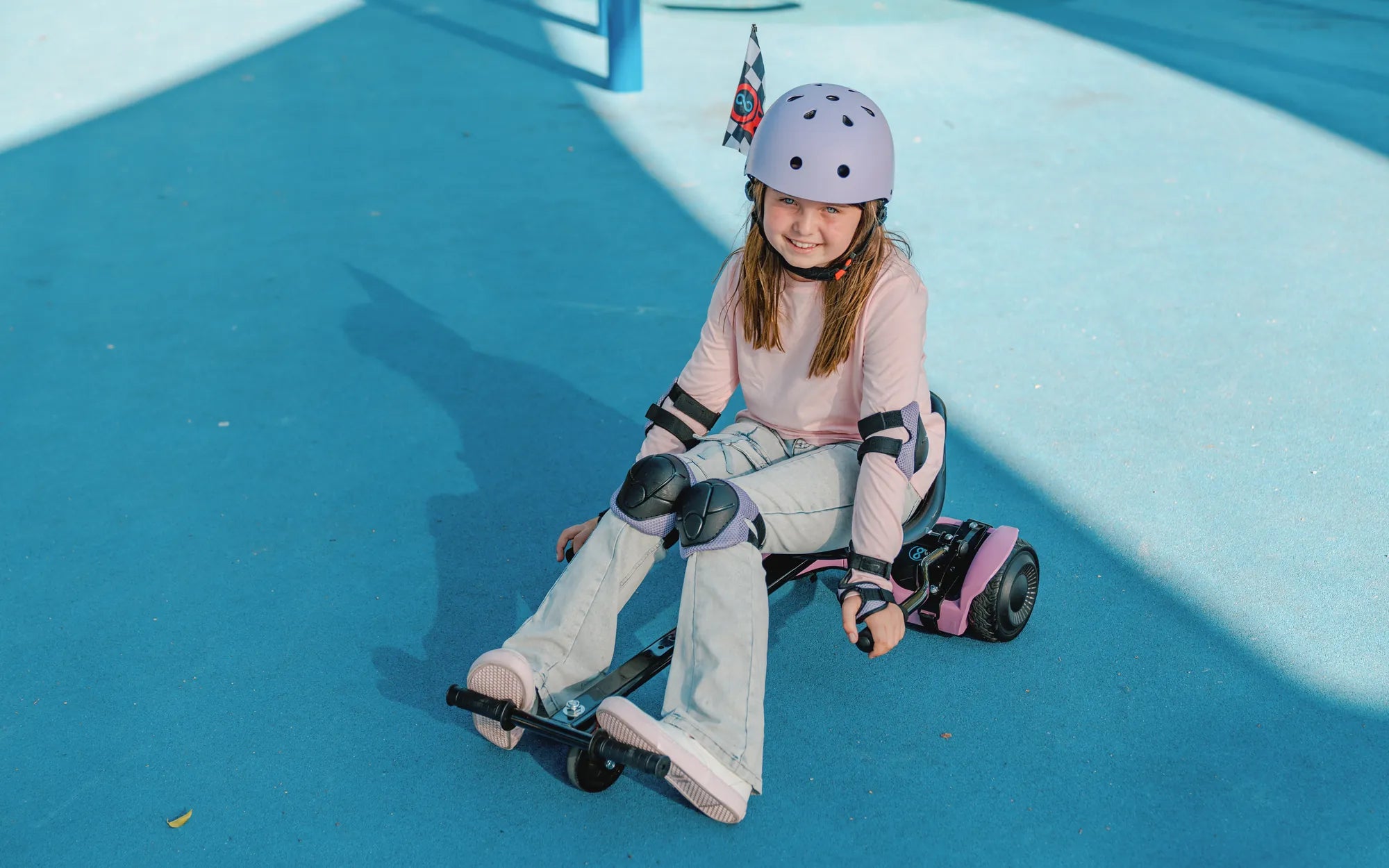
The scooter is only part of the safety equation. Proper protective gear is mandatory, not optional. A fall at 10-15 mph can result in serious injury. Investing in high-quality gear is investing in your child's well-being.
Every ride must begin with a properly fitted, CPSC-certified bicycle helmet. This certification ensures it meets the U.S. Consumer Product Safety Commission standard for impact protection. The helmet should sit level on the head, with the strap snug under the chin.
Knee pads and elbow pads are crucial for protecting joints during falls. Look for pads with hard plastic caps and comfortable, breathable padding. Wrist guards or full-finger gloves are also highly recommended to protect hands and wrists during a tumble.
Make wearing the gear a non-negotiable rule. Set the example and wear your own gear when riding together. Consistent enforcement from the start makes it a habitual part of the riding routine.
Teaching Safe Riding Habits and Rules of the Road
Owning the scooter comes with the responsibility of teaching how to use it safely. Start in a controlled, empty environment like a parking lot or smooth driveway. Practice starting, stopping, turning, and maneuvering around obstacles at low speed.
Establish clear rules before venturing onto paths or sidewalks. These should include: always yielding to pedestrians, scanning for cars at driveways, avoiding roads, not riding at dusk or dark, and never using headphones while riding. A pre-ride safety check (tires, brakes, loose parts) is also a good habit.
Discuss local laws regarding electric scooters. Regulations vary by city and state, covering where they can be ridden (sidewalks vs. bike lanes), age restrictions, and helmet laws. It's your responsibility to know and enforce these rules for your child.
Supervised practice builds muscle memory and judgment. Ride with them initially, pointing out potential hazards and demonstrating safe behavior. Gradually increase their independence as they consistently demonstrate good habits and situational awareness.
FAQ: Your Top Questions, Answered
Q1: Are electric scooters safe for an 11-year-old?
Yes, when you select a model with appropriate safety features (UL-certified battery, dual brakes, speed controls) and pair it with mandatory protective gear and thorough safety training. The risk is managed through the product's design and the rider's education.
Q2: What is the average cost of a good-quality e-scooter for this age?
Expect to invest between $300 and $500 for a reliable, feature-rich electric scooter for kids 11 years old. This price range typically includes the essential safety features, durable construction, and a reputable brand's warranty. Prices significantly lower often compromise on critical safety components.
Q3: Where is it legal for my child to ride?
Laws vary widely. Commonly, electric scooters are permitted on bicycle paths and sidewalks (with pedestrian caution), but are prohibited on roads with speed limits over 25 mph. Many municipalities have age restrictions. Always check your specific city and state ordinances before riding.
Q4: How do I teach my child to ride safely?
Begin in a safe, empty area. Focus on mastering braking, turning, and balance at low speed. Gradually introduce more complex environments. Establish firm rules about helmet use, road awareness, and riding conditions. Consistent supervision and leading by example are key.
Q5: What maintenance does the scooter require?
Regular maintenance includes checking tire pressure (if pneumatic), ensuring all bolts are tight, testing brake function, and cleaning the deck and wheels. Store the scooter in a dry place and avoid completely draining the battery before recharging. Refer to the manufacturer's manual for specific lubrication and care instructions.
Empowering Safe Adventures with Confidence
Selecting the right electric scooter for your 11-year-old is a decision that empowers their independence while prioritizing their safety. The key is to focus on verified safety certifications like UL for the battery, robust dual-braking systems, and adjustable speed controls locked by parental settings. Durability features such as IPX5 water resistance and a solid warranty ensure the scooter is a lasting investment.
By combining a well-chosen scooter with comprehensive protective gear and clear safety rules, you create a framework for responsible fun. This approach transforms a simple purchase into an opportunity to teach valuable lessons about responsibility, skill development, and situational awareness.
Brands that engineer with these principles, offering UL-certified batteries, water-resistant designs, and reliable support like Gyroor's 1-year warranty, provide the peace of mind every parent seeks. Your child gains a tool for adventure, and you gain confidence in their safety.
Ready to find a model that meets all these criteria? Explore a curated selection of age-appropriate, safety-focused electric scooters designed for young riders. Browse the full Gyroor collection at gyroorboard.com to discover models built for performance, durability, and, most importantly, safety.
Hoverboard Separate Feet: Master Balance, Agility & Control
Hoverboard Electric Kart: The Future of Personal Mobility and Fun