



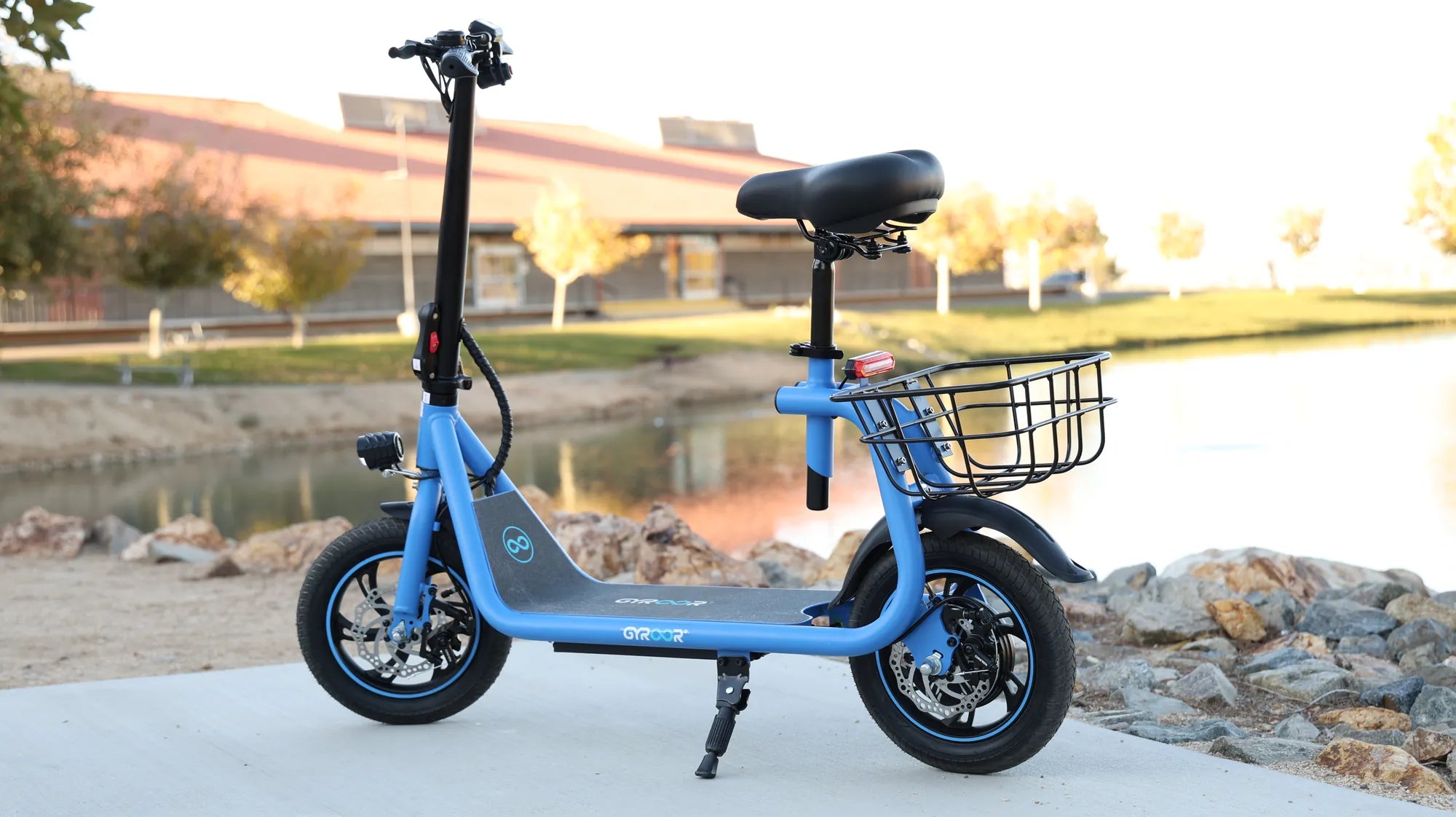
Picture this: you're cruising on your electric scooter when suddenly, the skies open up. Before you can find shelter, your scooter gets drenched. Now, it won't turn on. Panic sets in—what do you do next? Don't worry; we've got you covered with a step-by-step guide to diagnose, fix, and prevent water damage to your electric scooter.
Why Water and Electric Scooters Don't Mix
Electric scooters rely on sensitive electronic components, including the battery, motor controller, and wiring. When water seeps into these parts, it can cause short circuits, corrosion, or even permanent damage. Many scooters have some level of water resistance, but prolonged exposure or submersion can overwhelm their defenses.
Immediate Steps to Take When Your Scooter Gets Wet
If your electric scooter got wet and won't turn on, follow these steps immediately to minimize damage:
- Power it off: If the scooter is still on, turn it off immediately to prevent short circuits.
- Remove the battery: If possible, take out the battery to isolate it from other components.
- Dry the exterior: Use a dry cloth to wipe away visible moisture.
- Avoid heat sources: Don't use a hairdryer or heater, as excessive heat can damage electronics.
How to Dry Your Electric Scooter Properly
Proper drying is crucial to restoring functionality. Here's how to do it safely:
- Disassemble what you can: Remove the battery, deck cover, and any accessible panels.
- Use silica gel or rice: Place the scooter (or its components) in a bag with silica gel packets or uncooked rice to absorb moisture.
- Let it air dry: Leave the scooter in a dry, well-ventilated area for at least 48 hours.
- Check for hidden moisture: Inspect connectors, ports, and internal compartments for residual dampness.
Troubleshooting a Water-Damaged Electric Scooter
After drying, attempt these troubleshooting steps:
- Check the battery: Ensure it's fully dry before reinserting. Test it with a multimeter if possible.
- Inspect the motor controller: Look for signs of corrosion or burnt components.
- Examine wiring and connectors: Corroded or loose connections can prevent the scooter from turning on.
- Test the power button: Sometimes, moisture can temporarily disrupt the button's functionality.
When to Seek Professional Help
If your scooter still won't turn on after drying and troubleshooting, it's time to consult a professional. Signs that you need expert assistance include:
- Visible corrosion on circuit boards
- A burnt smell coming from the scooter
- Error codes or flickering lights
- No response from any components
Preventing Future Water Damage
To avoid a repeat scenario, take these preventive measures:
- Check the IP rating: Before riding in wet conditions, verify your scooter's water resistance level.
- Use protective covers: Apply silicone sealant to vulnerable areas or use a waterproof scooter cover.
- Avoid deep puddles: Water can splash into the deck or motor, causing damage.
- Store it properly: Keep your scooter in a dry place when not in use.
Long-Term Maintenance Tips
Regular maintenance can extend your scooter's lifespan and improve its resistance to water damage:
- Clean it regularly: Remove dirt and debris that could trap moisture.
- Inspect seals and gaskets: Ensure they're intact to maintain water resistance.
- Apply dielectric grease: This protects connectors from moisture and corrosion.
- Monitor battery health: A well-maintained battery is less susceptible to water damage.
Don't let a little water ruin your electric scooter experience! By acting quickly and following these steps, you can often revive a water-damaged scooter and get back on the road. Remember, prevention is always better than repair—so take precautions to keep your ride safe and dry in all weather conditions.
Electric Scooters Is an Emerging Market: The Future of Urban Mobility
Two Wheel Smart Balance Electric Scooter UK: The Future of Urban Commuting