



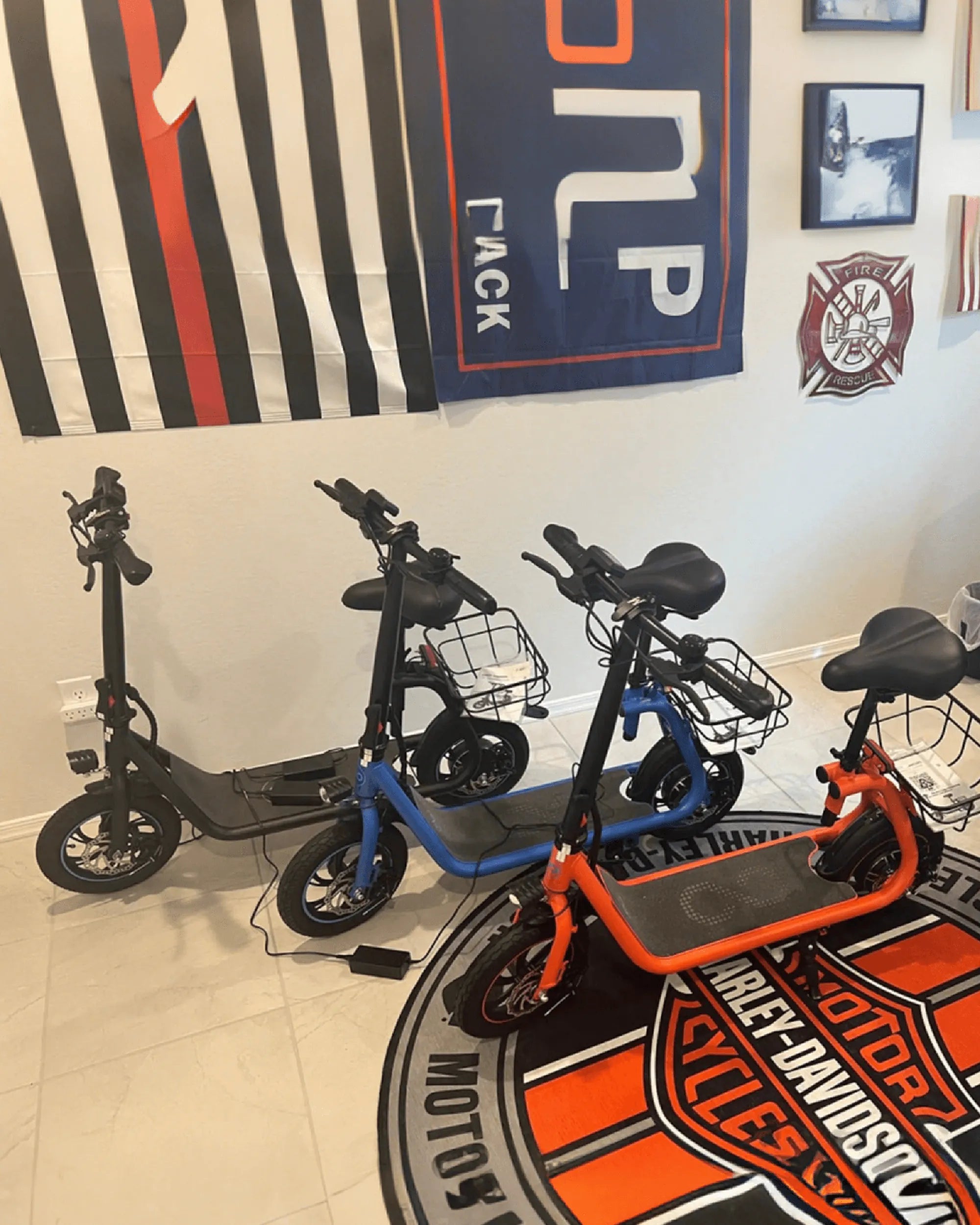
Electric scooters have taken urban transportation by storm, offering a convenient, eco-friendly, and cost-effective way to navigate busy streets. But have you ever wondered how these sleek machines actually work? Let’s dive into the mechanics behind electric scooters and uncover the technology that powers your ride.
The Core Components of an Electric Scooter
At its heart, an electric scooter consists of several key components that work together to deliver a smooth and efficient ride. These include:
- Battery: The power source that stores and supplies electricity to the motor.
- Motor: Converts electrical energy into mechanical motion to propel the scooter.
- Controller: Acts as the brain, regulating power flow from the battery to the motor.
- Throttle: Allows the rider to control speed, similar to a gas pedal in a car.
- Braking System: Ensures safe deceleration and stopping.
- Frame and Wheels: Provide structural support and mobility.
How the Battery Powers the Scooter
The battery is the lifeblood of an electric scooter, typically made of lithium-ion cells due to their high energy density and longevity. When fully charged, the battery stores electrical energy, which is then discharged to power the motor. Advanced battery management systems (BMS) monitor voltage, temperature, and current to optimize performance and prevent overheating or overcharging.
The Role of the Motor
Electric scooters use either hub motors or chain-driven motors. Hub motors are integrated into the wheels, offering a quieter and more maintenance-free ride. Chain-driven motors, on the other hand, resemble traditional bicycle setups but are less common in modern scooters. The motor converts electrical energy from the battery into rotational force, propelling the scooter forward.
Controller: The Brain Behind the Operation
The controller is a critical component that manages the flow of electricity between the battery and the motor. It interprets signals from the throttle and adjusts power output accordingly, ensuring smooth acceleration and deceleration. Some controllers also feature regenerative braking, which recaptures energy during braking to recharge the battery slightly.
Throttle and Speed Control
Most electric scooters use a thumb or twist throttle to control speed. When engaged, the throttle sends a signal to the controller, which then modulates power to the motor. Many scooters also offer multiple speed modes, allowing riders to choose between eco-friendly cruising or faster acceleration.
Braking Systems for Safety
Safety is paramount, and electric scooters employ various braking systems, including:
- Mechanical Brakes: Disc or drum brakes that provide reliable stopping power.
- Electronic Brakes: Use motor resistance to slow down the scooter.
- Regenerative Braking: Converts kinetic energy back into electrical energy, extending battery life.
Charging and Maintenance
Charging an electric scooter is straightforward—plug it into a standard outlet using the provided charger. Depending on battery capacity, a full charge can take anywhere from 3 to 8 hours. Regular maintenance, such as checking tire pressure, brake function, and battery health, ensures longevity and peak performance.
Environmental and Economic Benefits
Electric scooters produce zero emissions, making them an eco-friendly alternative to gas-powered vehicles. They also reduce transportation costs, as electricity is far cheaper than gasoline. With minimal maintenance requirements, they’re a practical choice for urban commuters.
From the battery to the brakes, every component of an electric scooter plays a vital role in delivering a seamless ride. Whether you’re a daily commuter or a weekend explorer, understanding how your scooter works can enhance your riding experience and help you make the most of this innovative technology. Ready to hit the streets with confidence?
Electric Bike That Goes 100 mph: The Future of High-Speed Commuting
How Fast Can an Electric Bike Legally Go: Understanding Speed Limits and Regulations