


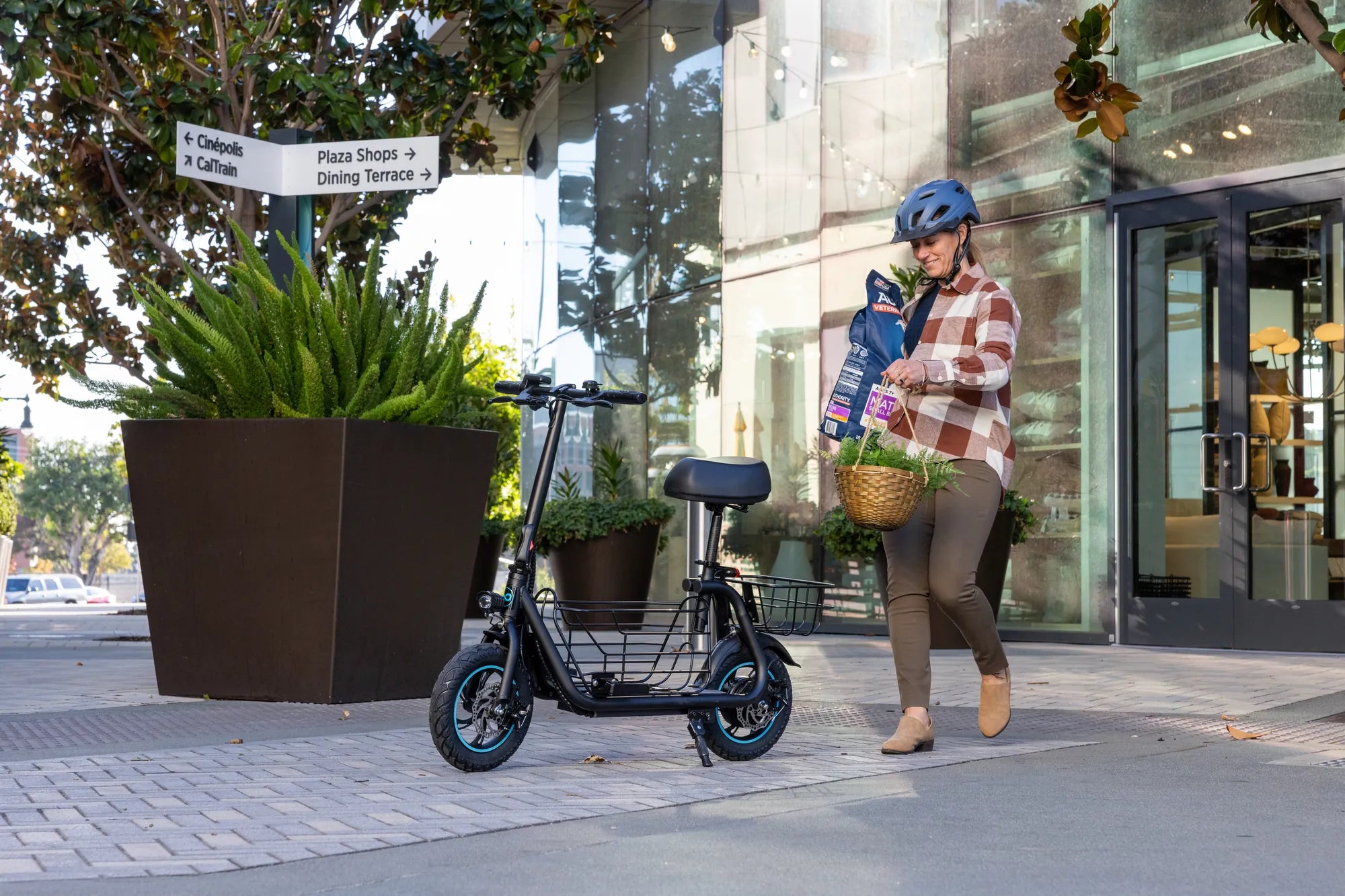
Electric scooters have surged in popularity as a convenient and eco-friendly mode of transportation. Whether you're a seasoned rider or a newcomer, understanding how to identify and evaluate an electric scooter is crucial for safety, performance, and compliance with local regulations. This guide will walk you through the key elements of electric scooter identification, helping you make informed choices.
Key Features to Identify an Electric Scooter
When examining an electric scooter, several features stand out as critical identifiers. These include:
- Motor Power: Measured in watts (W), the motor power determines the scooter's speed and ability to handle inclines.
- Battery Capacity: Typically listed in watt-hours (Wh), this indicates how far the scooter can travel on a single charge.
- Wheel Size and Type: Larger wheels provide better stability, while air-filled tires offer a smoother ride compared to solid ones.
- Weight and Portability: Foldable designs are ideal for commuters, while heavier models may offer more durability.
Legal and Safety Considerations
Electric scooter identification isn't just about performance—it's also about legality. Different regions have varying laws regarding:
- Speed Limits: Some areas cap electric scooters at 15-20 mph (24-32 km/h).
- Age Restrictions: Riders may need to be a certain age to operate an electric scooter legally.
- Helmet Requirements: Safety gear is often mandatory, especially for younger riders.
Always check local regulations to ensure your scooter complies with the law.
How to Spot a Quality Electric Scooter
Identifying a well-built electric scooter involves examining:
- Build Materials: Aluminum frames are lightweight yet durable, while steel offers robustness.
- Braking System: Disc brakes provide superior stopping power compared to drum or electric brakes.
- Water Resistance: Look for an IP rating to gauge how well the scooter handles wet conditions.
Common Misconceptions About Electric Scooters
Many riders assume all electric scooters are the same, but this isn't the case. For example:
- Range Anxiety: Not all scooters have the same battery life—some excel in urban settings, while others are built for longer commutes.
- Speed vs. Safety: Faster scooters may require additional safety features like turn signals or reinforced frames.
Where to Find Reliable Information
To accurately identify an electric scooter, consult:
- Manufacturer Specifications: Always review the official documentation for precise details.
- User Reviews: Real-world experiences can highlight strengths and weaknesses not mentioned in specs.
- Local Dealers: Experts can provide hands-on insights and help you compare models.
Electric scooter identification is more than just knowing the make and model—it's about understanding what makes your ride safe, efficient, and legal. Armed with this knowledge, you'll be ready to choose the perfect scooter for your needs and enjoy the freedom of the open road.
Electric Scooter Price Brand: A Comprehensive Guide to Finding the Best Value
Electric Scooter Low Price for Children: A Smart and Affordable Choice