



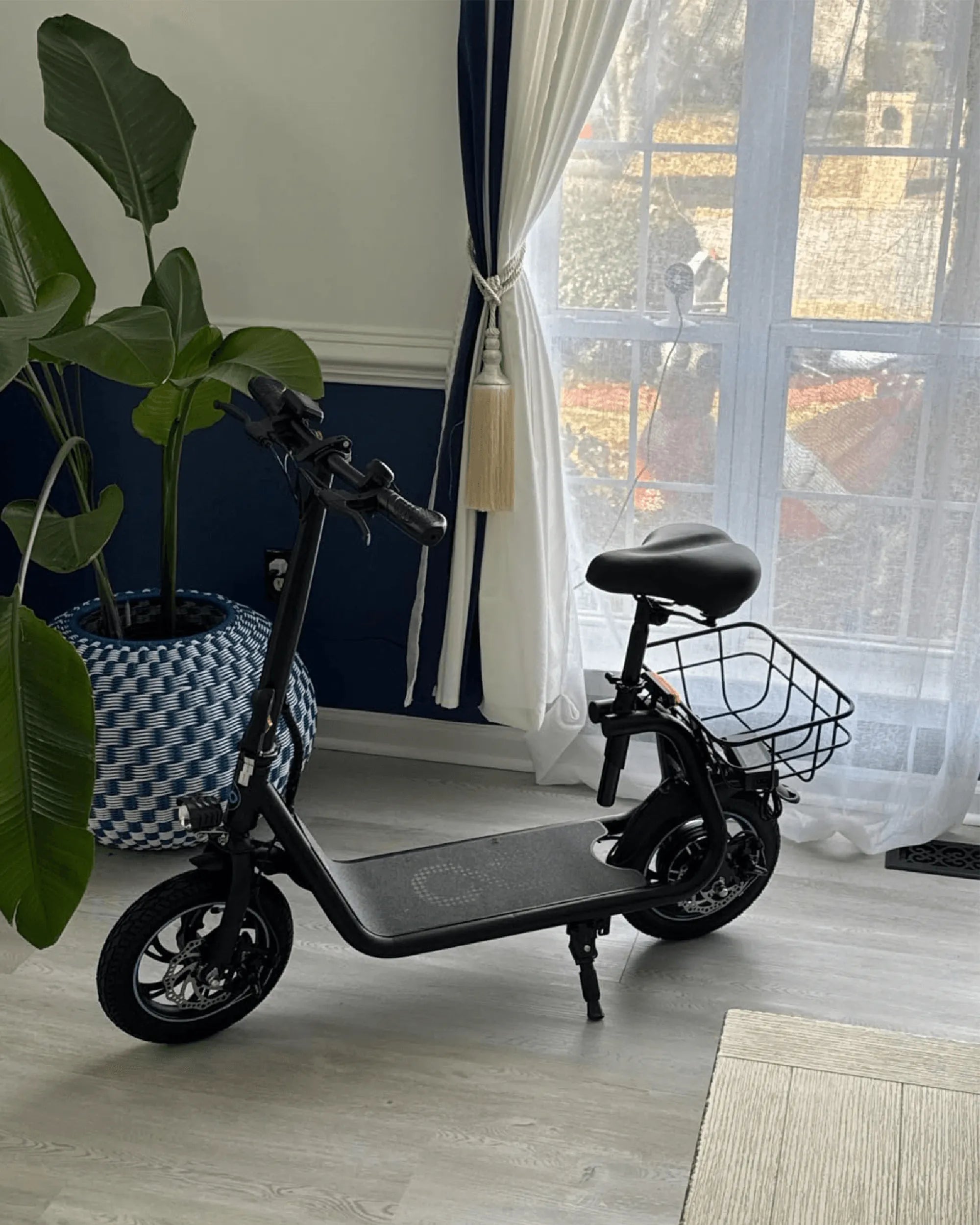
Hearing an electric scooter making grinding noise can be alarming, especially if you rely on it for daily commutes. That unsettling sound isn’t just annoying—it could signal underlying issues that, if ignored, might lead to costly repairs or even accidents. But don’t panic! This guide will walk you through the possible causes, easy fixes, and preventive steps to ensure your scooter stays in top shape.
Common Causes of Grinding Noises in Electric Scooters
Before diving into solutions, it’s crucial to understand why your electric scooter is making grinding noise. Here are the most likely culprits:
1. Loose or Worn-Out Brakes
Brakes are a common source of grinding sounds. If the brake pads are worn out or misaligned, they can scrape against the rotor or drum, creating a metallic grinding noise. Dirt and debris trapped in the braking system can also cause similar sounds.
2. Damaged or Misaligned Motor
The motor is the heart of your electric scooter. If it’s damaged, misaligned, or suffering from internal wear, it may produce grinding or whirring noises. This often happens due to prolonged use, overheating, or lack of maintenance.
3. Loose or Faulty Bearings
Bearings help reduce friction between moving parts. When they wear out or become loose, they can generate a grinding or rumbling sound. This is especially noticeable when accelerating or turning.
4. Debris in the Wheel or Drivetrain
Small rocks, twigs, or other debris can get lodged in the wheel or drivetrain, causing a grinding noise as the scooter moves. This is more common if you ride on rough or uneven terrain.
5. Chain or Belt Issues
If your scooter uses a chain or belt drive, a loose, worn, or misaligned component can create grinding sounds. Lack of lubrication can also exacerbate the problem.
How to Fix an Electric Scooter Making Grinding Noise
Now that you know the potential causes, let’s explore how to fix them.
1. Inspect and Adjust the Brakes
Start by checking the brake pads for wear. If they’re thin or uneven, replace them. Ensure the brakes are properly aligned and not rubbing against the rotor or drum when not engaged. Clean any debris from the braking system.
2. Check the Motor
Listen closely to pinpoint if the noise is coming from the motor. If it’s overheating or making unusual sounds, it might need professional servicing. Avoid riding the scooter until the issue is resolved to prevent further damage.
3. Replace Faulty Bearings
If the bearings are the issue, they’ll need to be replaced. This may require disassembling the wheel or motor, so consult your scooter’s manual or seek professional help if you’re unsure.
4. Clear Debris from the Drivetrain
Turn the scooter off and inspect the wheels and drivetrain for debris. Use a brush or compressed air to remove any obstructions. Regular cleaning can prevent this problem from recurring.
5. Lubricate the Chain or Belt
If your scooter has a chain or belt drive, apply lubricant to reduce friction and noise. Ensure the tension is correct—too loose or too tight can cause grinding.
Preventive Measures to Avoid Grinding Noises
Prevention is always better than cure. Here’s how to keep your electric scooter running quietly:
1. Regular Maintenance
Schedule routine checks for brakes, motor, bearings, and drivetrain. Clean and lubricate moving parts as needed.
2. Avoid Rough Terrain
Riding on smooth surfaces reduces the risk of debris getting stuck in your scooter’s components.
3. Listen for Early Warning Signs
Address unusual noises immediately before they escalate into bigger problems.
4. Store Properly
Keep your scooter in a dry, clean place to prevent rust and dirt buildup.
An electric scooter making grinding noise doesn’t have to ruin your ride. With the right knowledge and a bit of effort, you can diagnose, fix, and prevent these issues—ensuring a smooth and quiet journey every time. Don’t let that annoying sound slow you down; take action today and enjoy the ride!
Small Indoor Electric Scooter: The Ultimate Guide to Compact Urban Mobility
Electric Scooter Goes 60 mph: The Future of High-Speed Urban Mobility