



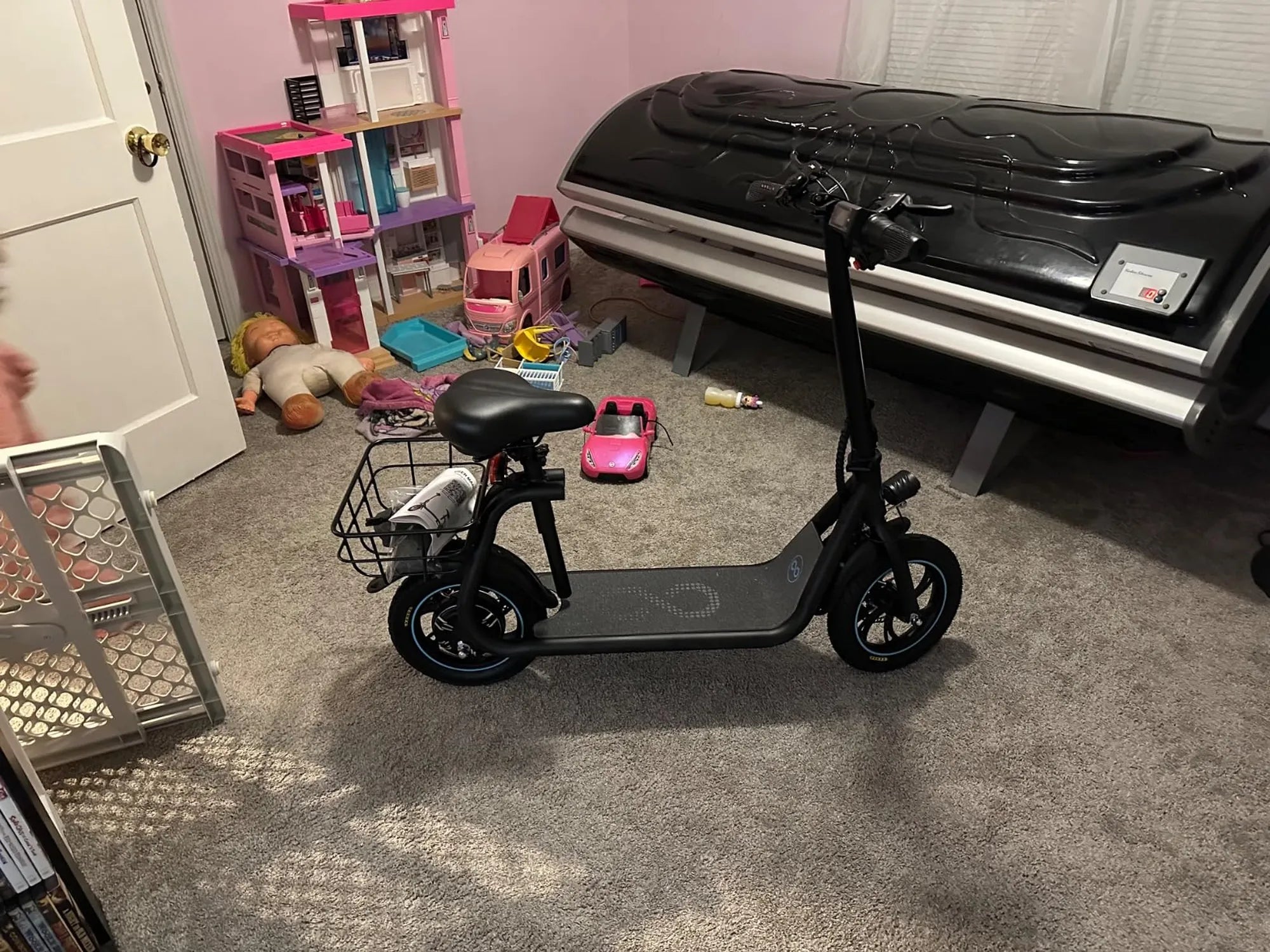
The electric scooter market is accelerating at an unprecedented pace, and by 2025, it will redefine how we navigate urban landscapes. With cities becoming more congested and environmental concerns mounting, these nimble two-wheelers are emerging as the go-to solution for millions. But what exactly will the electric scooter market look like in 2025? Let’s dive into the trends that will shape this dynamic industry.
Rapid Urbanization and the Last-Mile Revolution
By 2025, over 60% of the world’s population will live in urban areas, creating unprecedented demand for efficient transportation. Electric scooters are perfectly positioned to solve the "last-mile" problem—bridging the gap between public transit and final destinations. Cities are expected to invest heavily in micro-mobility infrastructure, including dedicated lanes and parking zones, to accommodate this surge.
Battery Technology: The Game Changer
The next generation of electric scooters will feature breakthroughs in battery efficiency. Solid-state batteries, with their higher energy density and faster charging times, could dominate the market by 2025. Riders will enjoy longer ranges—up to 60 miles on a single charge—and reduced downtime, making scooters a more viable alternative to cars.
Sustainability Takes Center Stage
As climate policies tighten, electric scooters will play a pivotal role in reducing urban carbon emissions. Manufacturers are increasingly adopting recycled materials and modular designs to minimize waste. By 2025, expect to see solar-powered charging stations and scooter-sharing programs integrated with renewable energy grids.
Smart Scooters and IoT Integration
Connectivity will be a hallmark of the 2025 electric scooter market. IoT-enabled devices will offer real-time diagnostics, anti-theft tracking, and seamless integration with urban mobility apps. AI-driven features like adaptive speed control and collision avoidance will enhance safety, appealing to both casual riders and daily commuters.
Regulatory Landscapes and Safety Standards
Governments worldwide are crafting regulations to balance innovation with public safety. By 2025, standardized licensing, speed limits, and helmet laws will likely be in place. Insurance models tailored to e-scooter usage will also emerge, providing riders with greater protection and accountability.
The Rise of Subscription Models
Ownership may take a backseat to flexibility. Subscription-based services, offering access to premium scooters for a monthly fee, will gain traction. This model reduces upfront costs and includes maintenance, ensuring riders always have access to the latest technology.
Emerging Markets: The Next Growth Frontier
While North America and Europe lead adoption, Asia-Pacific and Latin America will see explosive growth by 2025. Affordable pricing and government incentives will make electric scooters indispensable in cities like Jakarta and Mexico City, where traffic congestion is crippling.
The electric scooter market of 2025 isn’t just about getting from point A to B—it’s about transforming urban mobility into a smarter, greener, and more connected experience. Whether you’re a daily commuter or a city planner, these trends signal a revolution on two wheels that’s impossible to ignore.
Lightweight Electric Scooter for Elderly: The Ultimate Guide to Safe and Convenient Mobility
Electric Scooter Adults 18 6mph Foldable: The Ultimate Urban Commuter Companion