

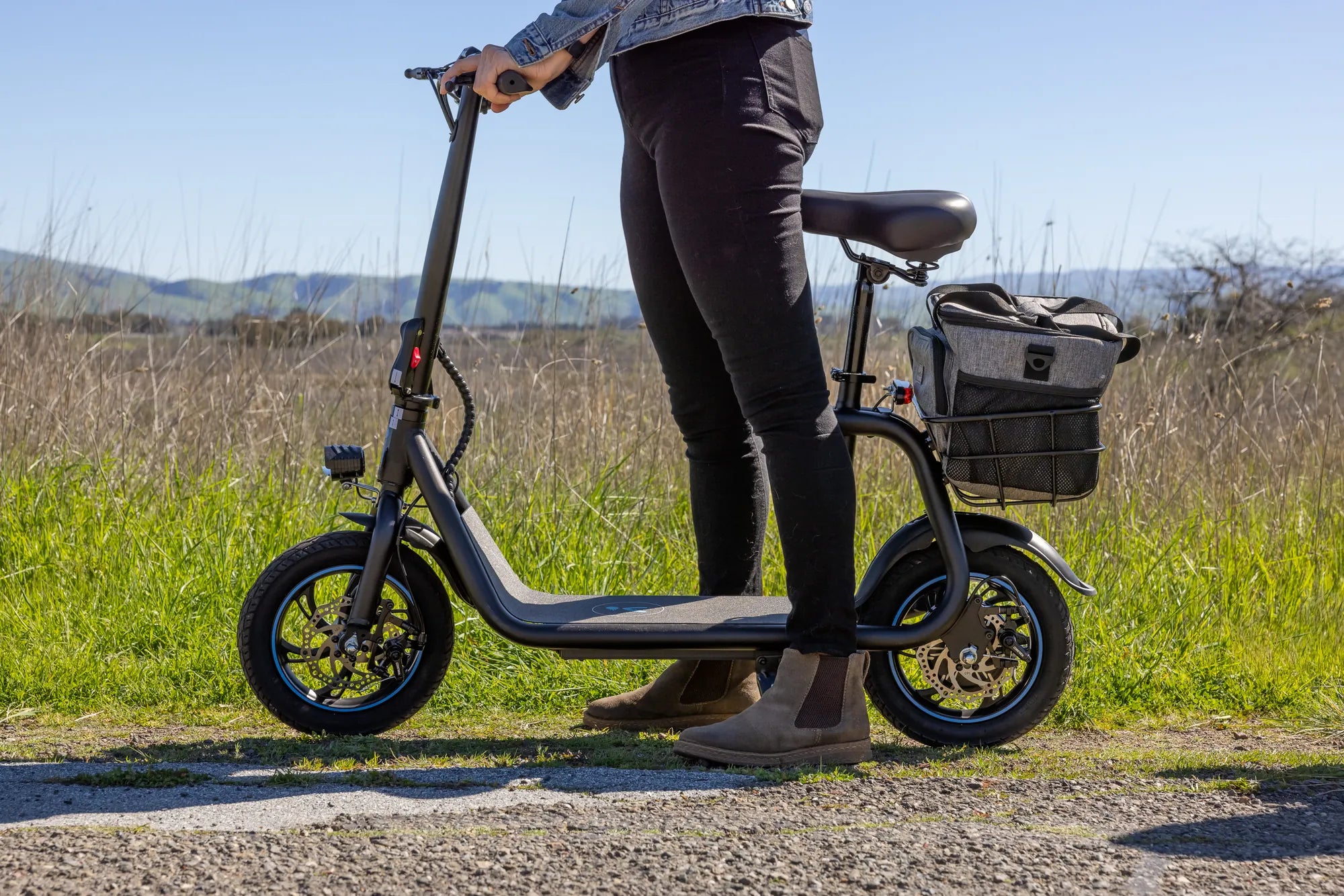
Electric scooters have taken the urban mobility scene by storm, offering a fun, eco-friendly, and efficient way to navigate city streets. With so many electric scooter models available, choosing the right one can feel overwhelming. Whether you're a daily commuter, a weekend adventurer, or just looking for a convenient way to zip around town, this guide will help you find the perfect match.
Understanding the Different Types of Electric Scooters
The first step in selecting an electric scooter is understanding the broad categories available. Electric scooters can be grouped based on their intended use, performance, and design.
Commuter Scooters
Designed for daily urban travel, commuter scooters prioritize portability, range, and comfort. These models often feature foldable designs, moderate speeds (15-25 mph), and ranges between 15-30 miles per charge. They're ideal for those who need a reliable way to get to work or run errands without the hassle of parking.
Performance Scooters
For riders seeking more power and speed, performance scooters deliver higher top speeds (25-40+ mph) and extended ranges (30-60+ miles). These models typically have larger motors, dual suspension systems, and wider decks for stability at higher speeds. They're perfect for longer commutes or riders who enjoy a more thrilling experience.
Off-Road Scooters
Built to handle rough terrain, off-road electric scooters feature rugged frames, knobby tires, and enhanced suspension systems. With powerful motors and high ground clearance, these models can tackle hills, trails, and uneven surfaces that would challenge standard scooters.
Key Features to Consider
When comparing electric scooter models available on the market, several critical factors should influence your decision:
Motor Power
Measured in watts (W), motor power determines acceleration and hill-climbing ability. Entry-level scooters typically have 250-500W motors, while performance models may boast 1000W or more. Dual-motor configurations offer even greater power for demanding rides.
Battery Life and Range
Battery capacity, measured in watt-hours (Wh), directly affects how far you can travel on a single charge. Consider your daily mileage needs and look for scooters that offer 20-30% more range than your typical commute to account for real-world conditions.
Weight and Portability
If you'll need to carry your scooter upstairs or onto public transportation, weight becomes crucial. Lightweight models (under 30 lbs) are easier to transport but may sacrifice some stability and range.
Tire Type
Scooters come with air-filled (pneumatic) or solid tires. Pneumatic tires offer better shock absorption but require maintenance, while solid tires are puncture-proof but provide a rougher ride.
Safety Features to Prioritize
As electric scooters become faster and more powerful, safety features have evolved accordingly. Look for these important elements:
Braking Systems
Quality braking is essential for rider safety. Common options include:
- Disc brakes (mechanical or hydraulic)
- Regenerative braking (helps recharge the battery)
- Foot brakes
- Combination systems
Lighting
Good visibility is crucial for night riding. Look for models with bright headlights, taillights, and side reflectors. Some premium scooters even feature turn signals.
Stability and Control
Wider decks, lower centers of gravity, and quality suspension systems all contribute to a more stable ride. Consider models with these features if you're new to scootering or plan to ride at higher speeds.
Smart Features and Connectivity
Many modern electric scooter models available today come equipped with smart features that enhance the riding experience:
Mobile App Integration
Companion apps allow riders to track speed, battery life, and riding statistics. Some apps offer anti-theft features, customizable performance settings, and firmware updates.
Display Panels
Clear, backlit displays show essential information like speed, battery level, and riding mode. Higher-end models may include color touchscreens with navigation capabilities.
Locking Mechanisms
Integrated locking systems help deter theft, with options ranging from simple cable locks to electronic locking mechanisms that disable the scooter when not in use.
Maintenance and Upkeep
To keep your electric scooter running smoothly, regular maintenance is essential. Here's what to expect:
Battery Care
Proper charging habits can significantly extend battery life. Avoid completely draining the battery and store your scooter in moderate temperatures when not in use.
Tire Maintenance
For pneumatic tires, check pressure regularly and inspect for wear. Solid tires require less maintenance but may need replacement after extensive use.
General Cleaning
Regularly wipe down your scooter and check for loose bolts or components. Keep the charging port clean and dry to prevent corrosion.
Legal Considerations
Before purchasing an electric scooter, familiarize yourself with local regulations regarding:
- Maximum speed limits
- Where you can legally ride (bike lanes, roads, sidewalks)
- Helmet requirements
- Age restrictions
- Registration or licensing needs
The world of electric scooter models available today offers something for every rider and budget. From sleek commuter options to rugged off-road beasts, there's never been a better time to join the electric revolution. With the right information and careful consideration of your needs, you'll be zipping through the streets on your perfect scooter in no time.
How to Set Electric Scooter Speed: A Complete Guide for Riders
Escooter Stand: The Ultimate Guide to Choosing and Using the Perfect Stand