

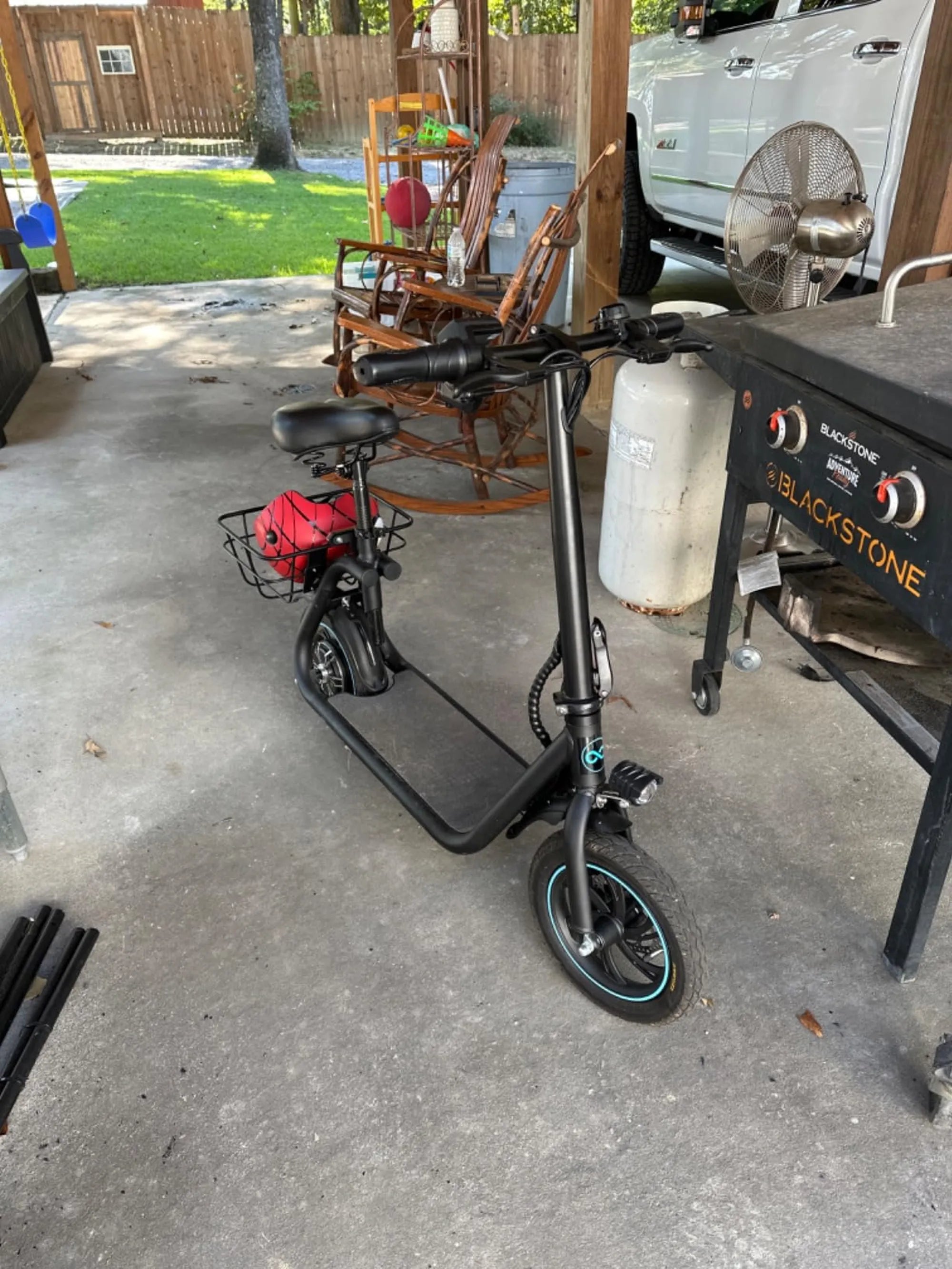
Electric scooters have revolutionized urban mobility, offering a convenient and eco-friendly way to navigate city streets. But one of the most critical factors influencing an e-scooter's performance is its motor size. Whether you're a daily commuter or a weekend adventurer, knowing how motor size impacts speed, torque, and battery life can help you make an informed decision.
What Is Electric Scooter Motor Size?
Motor size in electric scooters is typically measured in watts (W), indicating the power output. Common motor sizes range from 250W for lightweight models to 2000W or more for high-performance scooters. The motor size directly influences how fast and efficiently the scooter can accelerate, climb hills, and maintain speed under load.
How Motor Size Affects Speed and Power
A larger motor generally means higher top speeds and better acceleration. For example, a 500W motor might reach speeds of 15-20 mph, while a 1000W motor can push past 25 mph. However, speed isn't the only consideration—torque, or rotational force, is equally important. A higher-wattage motor provides better torque, making it easier to tackle steep inclines without losing momentum.
Motor Size and Battery Efficiency
While a bigger motor delivers more power, it also consumes more energy. A 2000W motor will drain the battery much faster than a 350W motor, reducing the scooter's range. Riders must balance power needs with battery life—choosing a motor that matches their typical riding conditions. For flat city commutes, a smaller motor may suffice, while hilly terrains demand more wattage.
Single vs. Dual Motor Configurations
Some electric scooters feature dual motors, effectively doubling the power output. Dual-motor setups excel in off-road or high-performance scenarios but come with increased weight and energy consumption. Single-motor scooters are lighter and more energy-efficient, making them ideal for casual riders.
Legal Considerations Based on Motor Size
Many regions impose speed and power limits on electric scooters. For instance, some cities cap motor sizes at 500W for street-legal use. Riders should check local regulations to ensure compliance and avoid fines.
Choosing the Right Motor Size for Your Needs
Consider your daily route, weight, and desired speed when selecting a motor size. Lightweight riders on flat terrain may prefer a 250W-500W motor, while heavier riders or those facing hills should opt for 750W or higher. Test rides can help gauge real-world performance before purchasing.
Electric scooter motor size isn't just a number—it's the heartbeat of your ride. Whether you prioritize speed, efficiency, or hill-climbing prowess, understanding motor specifications ensures you pick the perfect scooter for your lifestyle. Ready to hit the streets with confidence? Your ideal electric scooter awaits.
Best Electric Scooter for Hills UK: Top Picks for Powerful Rides
Lightest Electric Scooter Model: The Ultimate Guide to Portable Commuting