

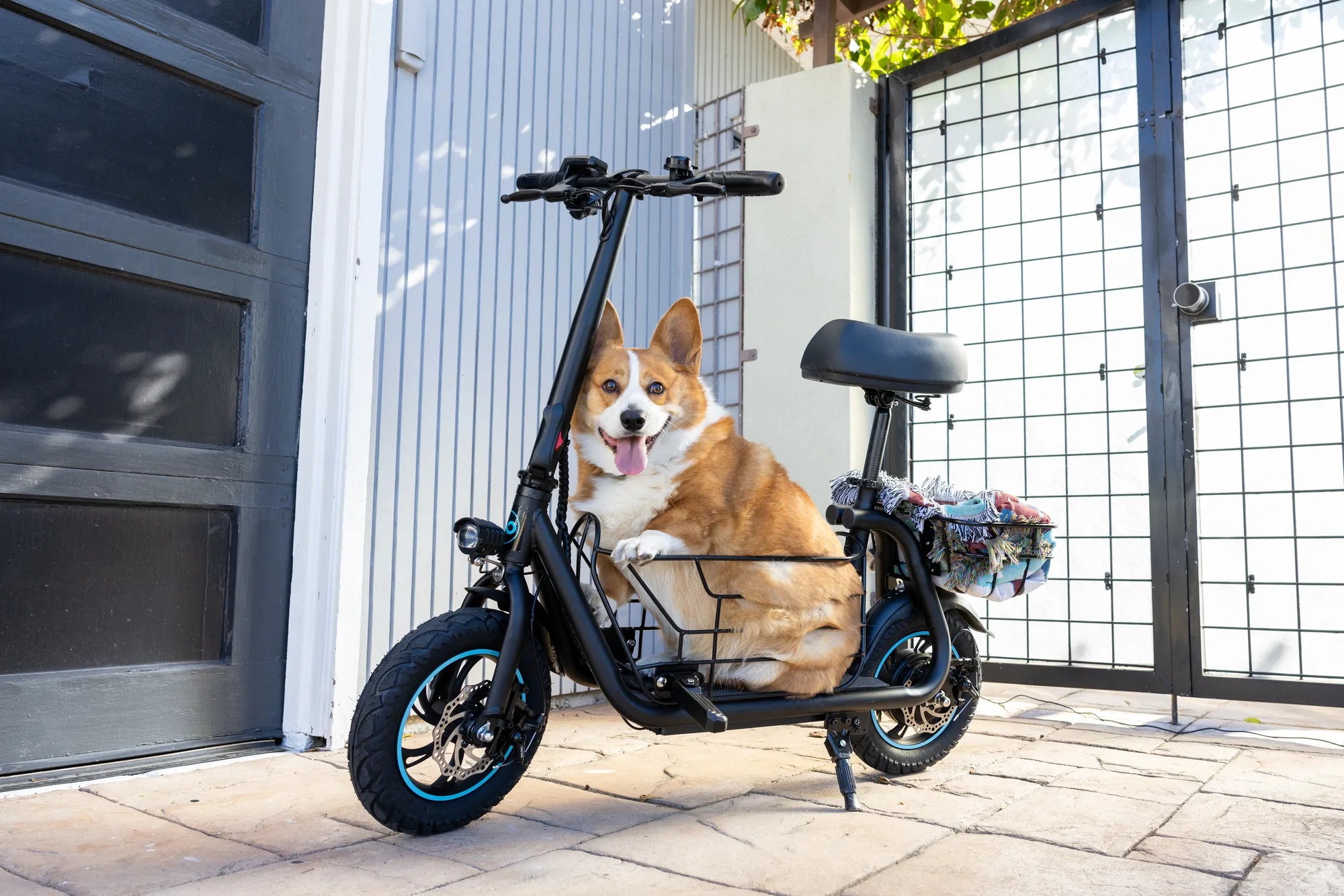
Electric scooters have revolutionized urban mobility, offering a convenient and eco-friendly way to navigate busy streets. At the heart of every electric scooter is its motor, which determines performance, efficiency, and overall riding experience. Understanding the different electric scooter motor types and specifications can help you choose the right model for your needs.
Types of Electric Scooter Motors
Electric scooters primarily use two types of motors: brushed and brushless. Each has its own advantages and drawbacks.
Brushed Motors
Brushed motors are older technology but still found in some budget-friendly electric scooters. They use physical brushes to transfer electrical current to the motor's rotating part, known as the commutator.
- Pros: Lower cost, simpler design, easier to repair.
- Cons: Less efficient, shorter lifespan, higher maintenance due to brush wear.
Brushless Motors
Brushless motors are the modern standard for high-performance electric scooters. They eliminate the need for brushes by using an electronic controller to manage current flow.
- Pros: Higher efficiency, longer lifespan, lower maintenance, better performance.
- Cons: More expensive, complex electronics.
Motor Placement: Hub vs. Chain-Driven
Electric scooter motors can also be categorized by their placement and drive mechanism.
Hub Motors
Hub motors are integrated directly into the wheel, either in the front (front hub) or rear (rear hub).
- Front Hub: Easier to install, but can affect steering stability.
- Rear Hub: Better traction and control, more common in performance scooters.
Chain-Driven Motors
Chain-driven motors use a traditional chain and sprocket system, similar to bicycles. These are less common in modern electric scooters but offer some advantages.
- Pros: Easier to repair, allows for gear ratios.
- Cons: Noisier, requires more maintenance.
Key Motor Specifications
When evaluating an electric scooter, several motor specifications are critical to performance.
Power (Wattage)
Motor power is measured in watts (W) and directly impacts speed and acceleration.
- 250W–500W: Suitable for flat terrains and casual riders.
- 500W–1000W: Better for hills and moderate speeds.
- 1000W+: High-performance models for steep inclines and fast speeds.
Voltage
Voltage (V) affects the motor's efficiency and power delivery.
- 24V–36V: Entry-level scooters with moderate performance.
- 48V–60V: High-performance scooters with better acceleration.
- 72V+: Premium models for extreme speed and power.
Torque
Torque determines how quickly the motor can accelerate and handle inclines.
- Low torque: Suitable for flat surfaces.
- High torque: Essential for hilly terrains and heavy riders.
Efficiency and Range
Motor efficiency affects battery life and overall range per charge. Brushless motors are generally more efficient, extending ride time.
Choosing the Right Motor for Your Needs
Selecting the right motor depends on your riding style, terrain, and budget.
- Commuting: A 500W brushless hub motor offers a balance of speed and efficiency.
- Off-Roading: High-torque, 1000W+ motors with dual-drive systems are ideal.
- Budget Rides: Brushed motors or lower-wattage brushless models are cost-effective.
Whether you're zipping through city streets or tackling rugged trails, understanding electric scooter motor types and specifications ensures you pick the perfect ride for your adventures. Don't settle for less—choose a motor that matches your needs and unlocks the full potential of your electric scooter.
Meet One E Trike: The Future of Urban Mobility and Sustainable Transportation
Slinger Mountain Biking: The Ultimate Guide to Thrills and Skills