



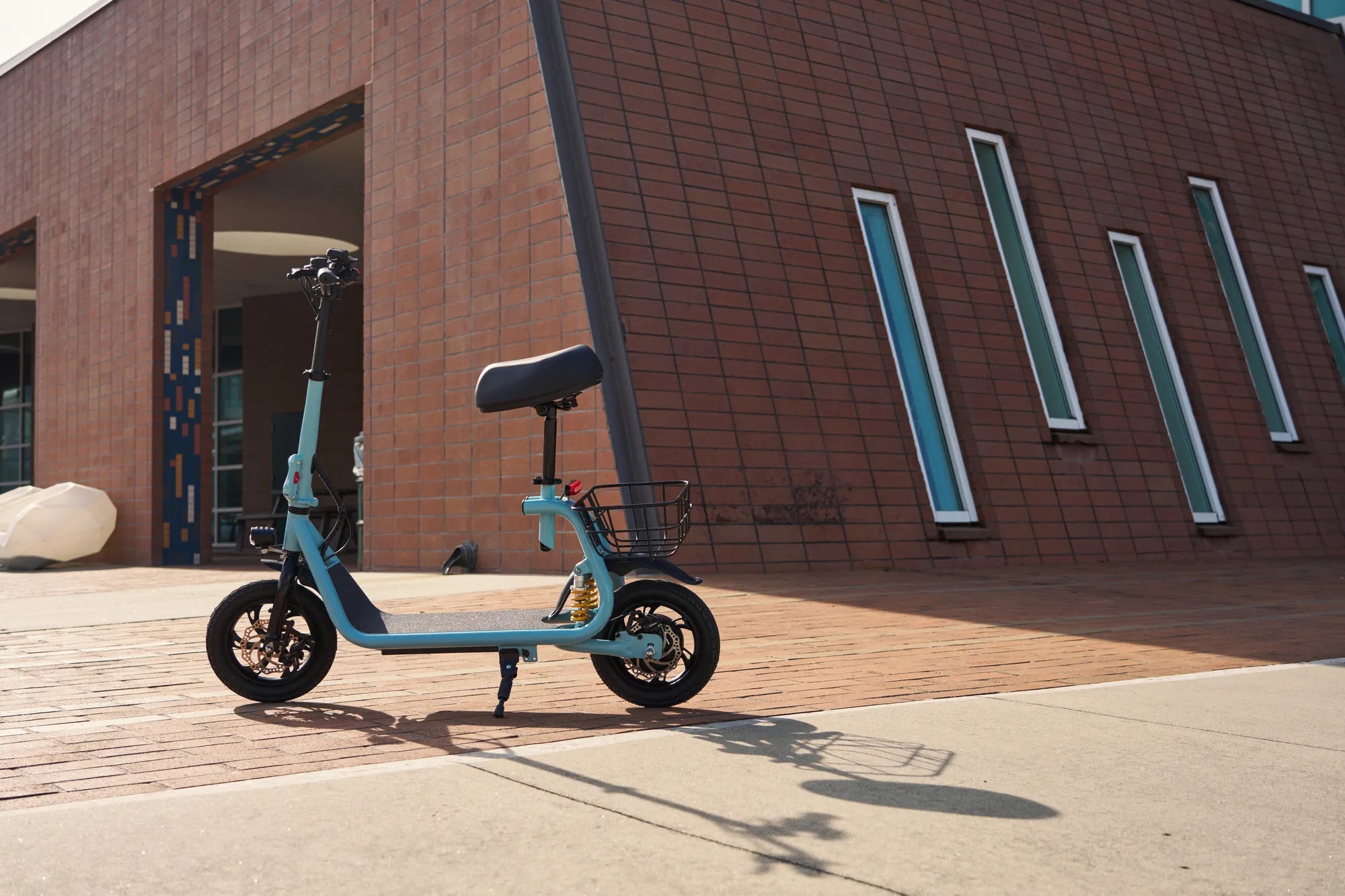
The future of urban transportation is electric, and by 2025, electric scooters are poised to become even more accessible and advanced. With rising fuel costs and growing environmental concerns, the demand for eco-friendly alternatives is skyrocketing. But what does this mean for electric scooter prices in 2025? Let’s dive into the trends, innovations, and economic factors that will shape the market.
Technological Advancements Driving Costs
One of the biggest influences on electric scooter prices in 2025 will be technological progress. Battery technology, in particular, is evolving rapidly. Lighter, more efficient batteries with longer lifespans are expected to hit the market, reducing production costs. Additionally, advancements in motor efficiency and smart features like GPS tracking and app integration will add value without necessarily driving prices up.
Market Competition and Consumer Demand
As more manufacturers enter the electric scooter space, competition will intensify. This could lead to more affordable options as brands vie for market share. However, premium models with cutting-edge features may still command higher prices. Consumer demand for durable, high-performance scooters will also play a role in pricing strategies.
Government Policies and Incentives
Governments worldwide are pushing for greener transportation solutions. Subsidies, tax breaks, and infrastructure investments could lower the overall cost of ownership for electric scooters. In some regions, these incentives might offset retail prices, making them more attractive to budget-conscious buyers.
Material Costs and Supply Chain Stability
The cost of raw materials like lithium, aluminum, and rare-earth metals will significantly impact electric scooter prices in 2025. Supply chain disruptions or shortages could drive prices up, while stable or improved supply chains might keep costs steady or even reduce them.
Sustainability and Recycling Programs
As sustainability becomes a priority, manufacturers may invest in recycling programs for old scooters and batteries. These initiatives could influence pricing, either by adding to production costs or by creating new revenue streams that offset expenses.
Urban Infrastructure and Adoption Rates
Cities investing in dedicated lanes, charging stations, and parking for electric scooters will likely see higher adoption rates. This infrastructure support could encourage manufacturers to offer competitive pricing to capitalize on growing markets.
By 2025, electric scooter prices will reflect a balance between innovation, demand, and economic factors. Whether you’re a daily commuter or an eco-conscious rider, the future looks bright—and affordable—for electric mobility.
Electric Scooter Recommendations: Top Picks for Every Rider
Double Electric Scooter: The Ultimate Guide to Efficient and Fun Commuting