



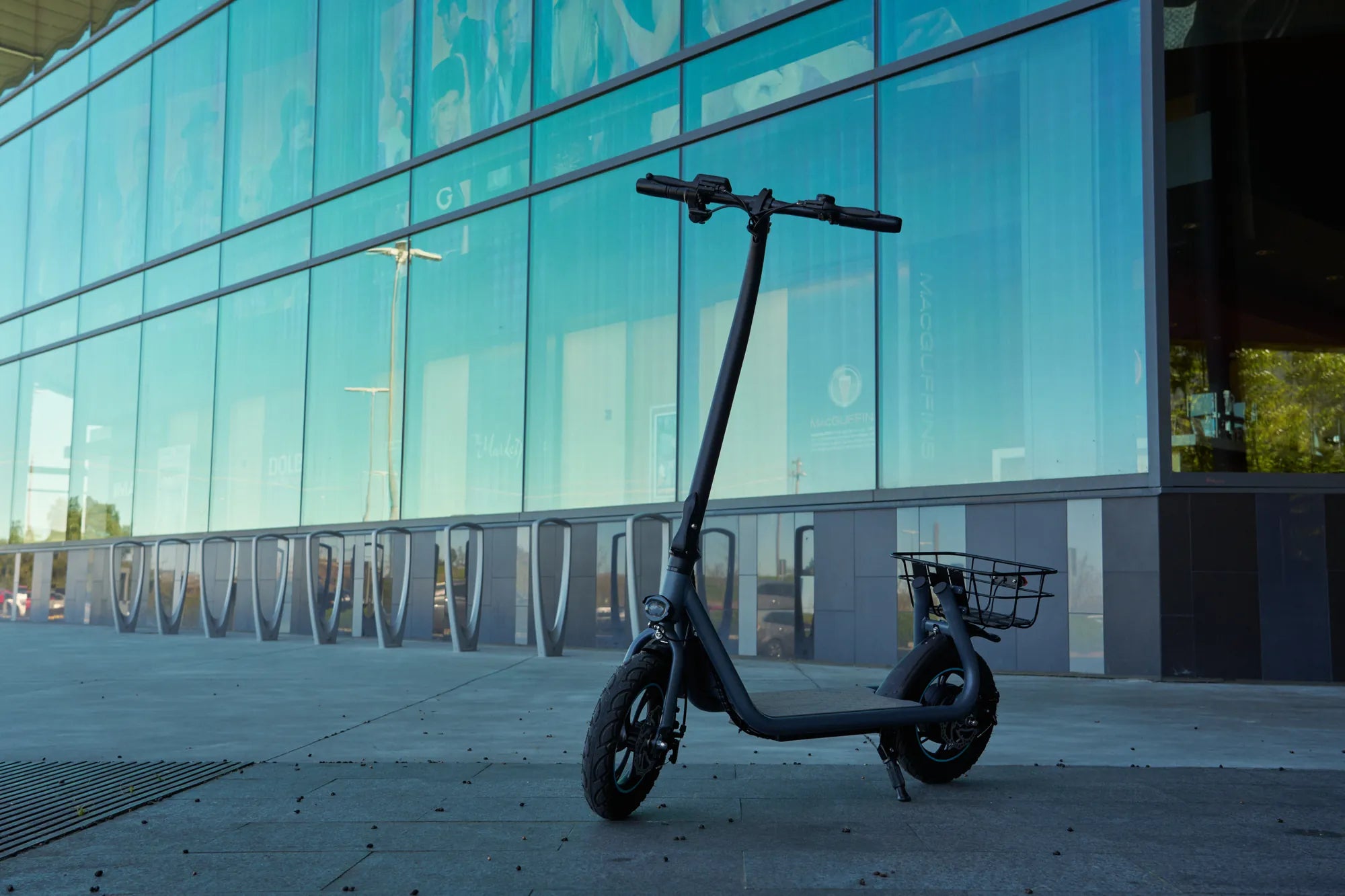
The electric scooter revolution is sweeping across India, promising a greener and more economical future for urban commuters. By 2025, the running cost per kilometer of electric scooters is expected to become even more competitive, making them an irresistible choice for millions. But what exactly will influence these costs? From electricity prices to technological advancements, let’s dive deep into the factors that will determine how much you’ll spend to keep your electric scooter moving.
Factors Influencing Electric Scooter Running Cost Per Km in 2025
Several key elements will shape the running cost of electric scooters in India by 2025. Understanding these factors will help you make an informed decision about switching to electric mobility.
1. Electricity Tariffs and Charging Costs
The cost of electricity is the most significant contributor to the running expense of an electric scooter. In India, electricity tariffs vary by state and are subject to change based on government policies. By 2025, renewable energy adoption is expected to reduce electricity costs, potentially lowering the per-kilometer expense for electric scooter users.
For example, if the average electricity tariff drops to ₹6 per kWh and an electric scooter consumes 1 kWh for every 50 km, the running cost would be approximately ₹0.12 per km. Compare this to petrol scooters, which cost around ₹1.50 per km, and the savings become evident.
2. Battery Efficiency and Lifespan
Battery technology is evolving rapidly, with improvements in energy density and charging cycles. By 2025, electric scooters are likely to feature more efficient batteries that require less frequent charging and offer longer lifespans. This means lower replacement costs and reduced per-kilometer expenses over time.
3. Government Incentives and Subsidies
The Indian government is actively promoting electric vehicles (EVs) through subsidies, tax benefits, and infrastructure development. Programs like FAME II (Faster Adoption and Manufacturing of Electric Vehicles) are expected to continue, further reducing the overall cost of ownership for electric scooters.
4. Maintenance and Servicing Costs
Electric scooters have fewer moving parts compared to their petrol counterparts, translating to lower maintenance costs. By 2025, as EV servicing networks expand and become more standardized, routine check-ups and part replacements are expected to become even more affordable.
Projected Running Cost Per Km in 2025
Based on current trends and projections, the running cost of electric scooters in India by 2025 could range between ₹0.10 to ₹0.20 per km. This estimate accounts for potential reductions in electricity tariffs, improved battery efficiency, and government support.
| Factor | Impact on Running Cost (Per Km) |
|---|---|
| Electricity Tariffs | ₹0.08 - ₹0.15 |
| Battery Efficiency | ₹0.02 - ₹0.05 |
| Maintenance | ₹0.01 - ₹0.03 |
| Total Estimated Cost | ₹0.10 - ₹0.20 |
Comparing Electric Scooters to Petrol Scooters
When stacked against petrol scooters, electric scooters already offer significant savings. Petrol scooters typically cost ₹1.50 to ₹2.00 per km, factoring in fuel prices and maintenance. By 2025, the gap is expected to widen, with electric scooters becoming up to 10 times cheaper to run.
The Role of Charging Infrastructure
Expanding charging infrastructure will play a crucial role in reducing running costs. Public charging stations and home charging solutions are becoming more accessible, eliminating range anxiety and making electric scooters a practical choice for daily commutes.
Environmental and Economic Benefits
Beyond cost savings, electric scooters contribute to cleaner air and reduced carbon emissions. By 2025, their widespread adoption could significantly cut India’s reliance on fossil fuels, aligning with global sustainability goals.
Imagine a future where your daily commute costs just a fraction of what it does today, all while helping the planet. The electric scooter revolution isn’t just coming—it’s already here, and by 2025, it will be cheaper and more accessible than ever. Are you ready to join the movement?
5000w Electric Bike Speed: The Ultimate Guide to High-Powered Riding
Top 20 Electric Scooter in India: The Ultimate Buying Guide for 2024