

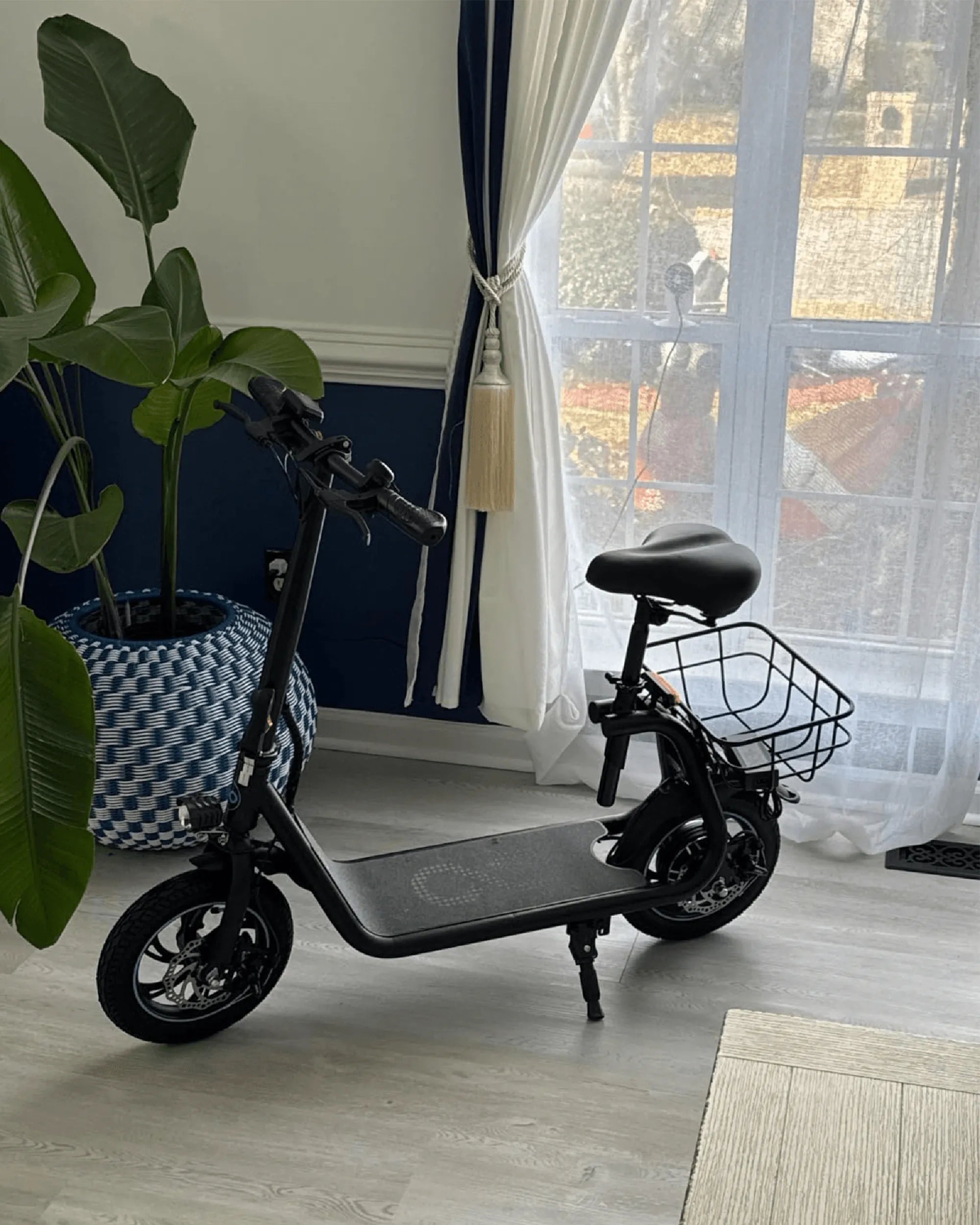
Electric scooters have become a popular mode of transportation, offering convenience, eco-friendliness, and fun. But with so many options available, how do you know which one is right for you? The answer lies in understanding electric scooter specs. Whether you're commuting to work or cruising around town, knowing the key specifications will help you make an informed decision. Let’s dive into the details.
Motor Power and Performance
The motor is the heart of any electric scooter. It determines how fast and how far your scooter can go. Motor power is measured in watts (W), and most electric scooters range from 250W to 2000W. A higher wattage means more power, which translates to better acceleration and hill-climbing ability. For urban commuting, a 250W to 500W motor is usually sufficient. However, if you plan to tackle steep hills or carry heavy loads, consider a scooter with a 750W or higher motor.
Battery Life and Range
The battery is another critical component of an electric scooter. It affects how far you can travel on a single charge. Battery capacity is measured in watt-hours (Wh), and the range is typically listed in miles or kilometers. A higher Wh rating means a longer range. For example, a 250Wh battery might offer a range of 15-20 miles, while a 500Wh battery could extend that to 30-40 miles. Keep in mind that factors like rider weight, terrain, and speed can impact the actual range.
Top Speed
Speed is a major consideration for many riders. Electric scooters can vary widely in top speed, from 15 mph to 40 mph or more. If you're using your scooter for short commutes, a lower speed might be acceptable. However, if you need to cover longer distances quickly, look for a scooter with a higher top speed. Always check local regulations, as some areas have speed limits for electric scooters.
Weight and Portability
Portability is essential if you plan to carry your scooter on public transport or store it in tight spaces. Electric scooters can weigh anywhere from 20 to 70 pounds. Lighter scooters are easier to carry but may sacrifice power or battery life. Heavier scooters often have more robust frames and better performance but can be cumbersome to transport.
Tire Type
Tires play a significant role in ride comfort and stability. There are two main types: pneumatic (air-filled) and solid (airless). Pneumatic tires provide a smoother ride but are prone to punctures. Solid tires are maintenance-free but can feel rougher on uneven surfaces. Some scooters also feature tubeless tires, which combine the benefits of both types.
Braking System
Safety should always be a priority. Electric scooters come with different braking systems, including disc brakes, drum brakes, and regenerative brakes. Disc brakes offer strong stopping power but require more maintenance. Drum brakes are more durable and low-maintenance. Regenerative brakes help recharge the battery while slowing down, improving efficiency.
Suspension
A good suspension system can make your ride more comfortable, especially on rough terrain. Some scooters have front or rear suspension, while others feature full suspension for maximum comfort. If you frequently ride on bumpy roads, consider a scooter with suspension to reduce fatigue.
Additional Features
Many electric scooters come with extra features like LED displays, smartphone connectivity, and built-in lights. These can enhance your riding experience but may also add to the cost. Think about which features are must-haves and which ones you can live without.
Now that you understand the key electric scooter specs, you're ready to make a smart purchase. Whether you prioritize speed, range, or portability, there's a scooter out there that fits your needs. Happy riding!
Electric Scooter Age Limit California: What You Need to Know
Fastest Electric Kick Scooter: Speed, Power, and Performance Redefined