

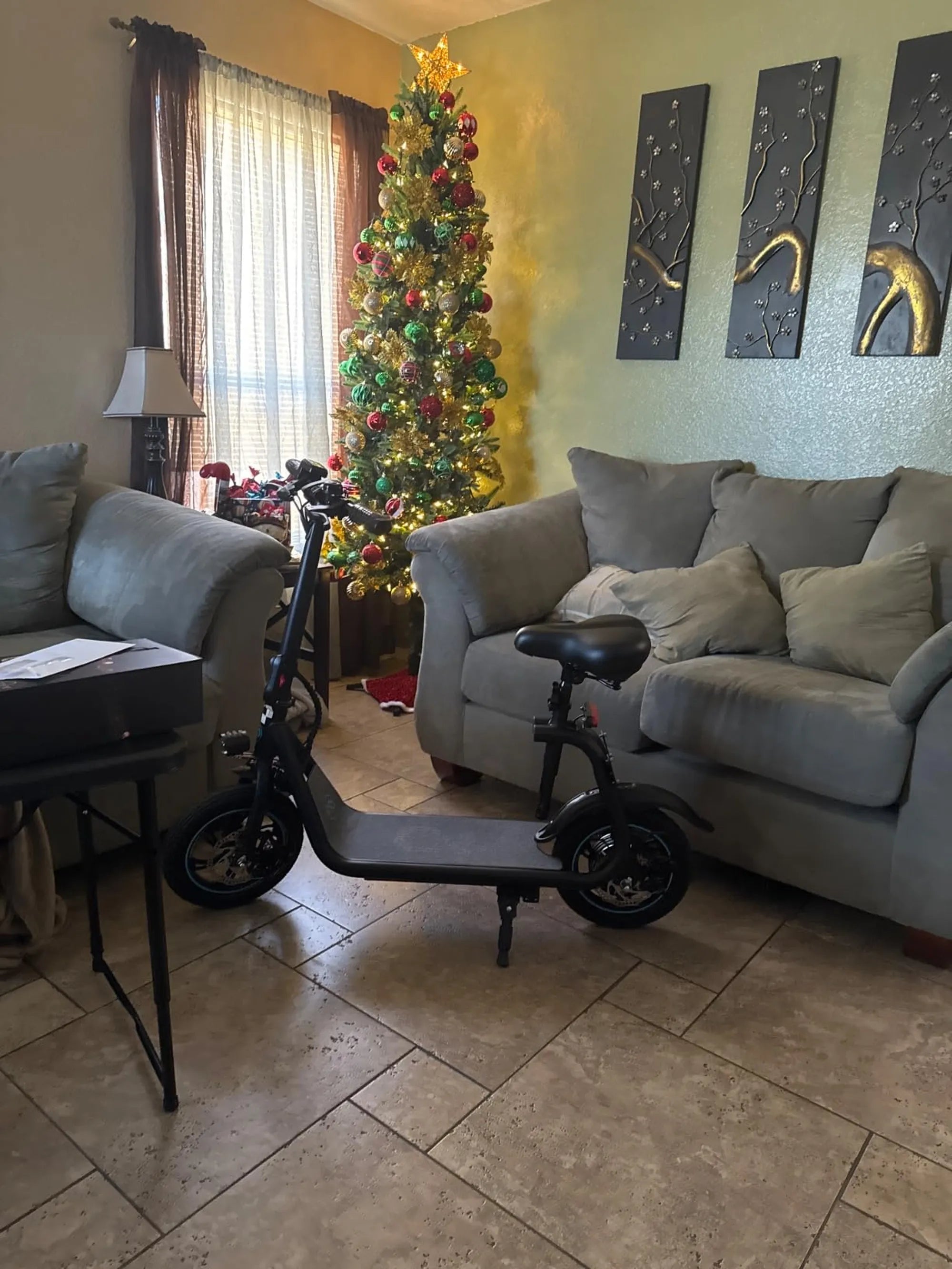
Riding an electric scooter is a fun and efficient way to get around, but did you know that tire pressure plays a crucial role in your ride's performance? Whether you're a daily commuter or a weekend adventurer, understanding the electric scooter tire pressure range can make all the difference in safety, speed, and battery life. Let’s dive into everything you need to know to keep your scooter rolling smoothly.
Why Tire Pressure Matters for Electric Scooters
Maintaining the correct tire pressure isn't just about avoiding flats—it affects your scooter's handling, efficiency, and overall ride quality. Too low, and you risk pinch flats, reduced battery range, and sluggish handling. Too high, and your ride becomes uncomfortably bumpy while increasing the risk of blowouts. The electric scooter tire pressure range is typically between 30 to 50 PSI, but always check your manufacturer's recommendations for the exact numbers.
How to Check Your Electric Scooter Tire Pressure
Regularly monitoring tire pressure is a simple yet essential task. Here’s how to do it right:
- Use a reliable digital tire pressure gauge for accuracy.
- Check pressure when tires are cold for the most precise reading.
- Compare the reading to your scooter’s recommended electric scooter tire pressure range.
- Adjust as needed using a portable pump or compressor.
Signs Your Tire Pressure Is Off
Your scooter will often give you hints when tire pressure isn’t optimal. Watch for:
- Excessive vibration or a rough ride (overinflated tires).
- Difficulty steering or sluggish acceleration (underinflated tires).
- Uneven tire wear, which can indicate prolonged incorrect pressure.
Adjusting Tire Pressure for Different Conditions
Your ideal electric scooter tire pressure range might shift slightly based on riding conditions:
- Wet or slippery surfaces: Slightly lower pressure can improve traction.
- Rough terrain: A bit more pressure helps prevent pinch flats.
- Long-distance rides: Stick to the higher end of the range for efficiency.
Common Tire Pressure Mistakes to Avoid
Even experienced riders make these errors:
- Ignoring seasonal changes—tire pressure drops in cold weather.
- Forgetting to check pressure before long rides.
- Using unreliable gauges that lead to incorrect readings.
Troubleshooting Tire Pressure Issues
If you’re constantly losing air, inspect for:
- Punctures or embedded debris.
- Faulty valve stems or cores.
- Damaged rims that prevent a proper seal.
Keeping your tires within the correct electric scooter tire pressure range isn’t just about avoiding problems—it’s about unlocking the best performance from your ride. Whether you're zipping through city streets or cruising on scenic paths, proper tire pressure ensures a smoother, safer, and more efficient journey. Don’t overlook this small but mighty detail—your scooter (and your backside) will thank you!
Huntsville AL Mountain Biking: Trails, Tips, and Thrills for Every Rider
Electric Scooter 6 Max: The Ultimate Guide to Choosing the Perfect Ride