



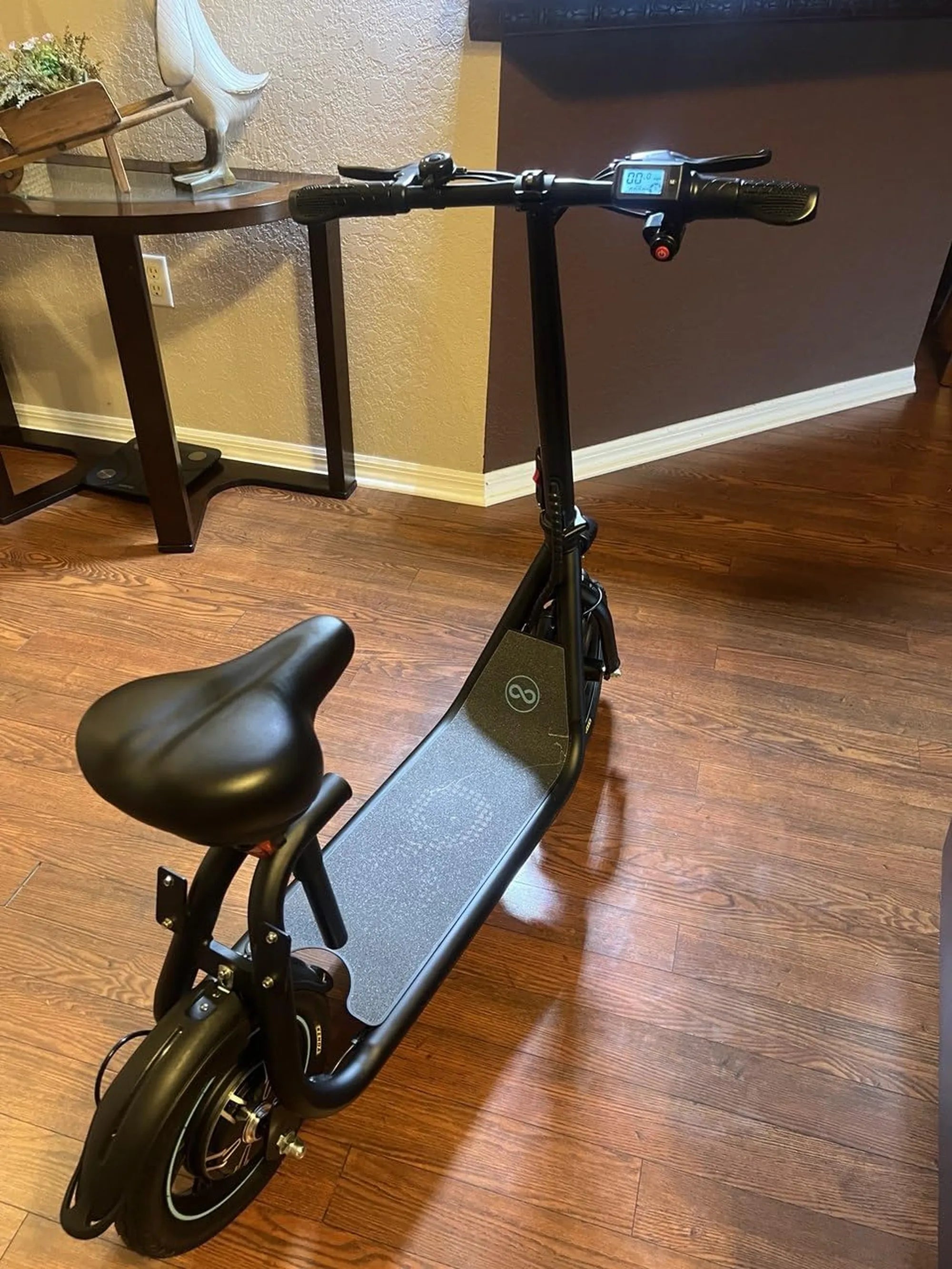
Electric scooters have become a popular mode of transportation, offering convenience and eco-friendly travel. But what keeps your ride smooth and safe? The answer lies in the often-overlooked component: the electric scooter tire tube. Whether you're a daily commuter or a weekend rider, understanding your scooter's tire tube can save you from unexpected breakdowns and costly repairs.
What Is an Electric Scooter Tire Tube?
An electric scooter tire tube is the inner inflatable component that sits inside the tire, providing cushioning and support. It's responsible for maintaining air pressure, which directly impacts your ride's comfort and performance. Without a properly functioning tube, your scooter's handling and safety can be compromised.
Types of Electric Scooter Tire Tubes
Not all tire tubes are created equal. Here are the most common types you'll encounter:
Standard Butyl Rubber Tubes
These are the most common and affordable options. They offer decent durability and air retention, making them a reliable choice for everyday riders.
Thorn-Resistant Tubes
Designed for urban environments where debris and sharp objects are common, these tubes feature thicker walls to resist punctures.
Self-Sealing Tubes
These innovative tubes contain a sealant that automatically plugs small punctures, reducing the chances of sudden flats.
How to Choose the Right Electric Scooter Tire Tube
Selecting the perfect tube involves considering several factors:
- Size Compatibility: Always match the tube size to your tire's specifications.
- Valve Type: Ensure the tube's valve (Schrader or Presta) matches your wheel's valve hole.
- Riding Conditions: Choose puncture-resistant options if you frequently ride on rough terrain.
- Quality: Invest in higher-quality tubes for better longevity and performance.
Maintaining Your Electric Scooter Tire Tube
Proper maintenance can extend your tube's lifespan significantly:
- Regularly check and maintain proper air pressure
- Inspect for wear and damage before each ride
- Keep tires clean from debris that could cause punctures
- Store your scooter properly when not in use
Common Electric Scooter Tire Tube Problems and Solutions
Frequent Flats
If you're experiencing regular punctures, consider upgrading to a more durable tube or adding tire liners for extra protection.
Slow Leaks
These can be tricky to detect. Submerge the inflated tube in water to identify bubbles indicating leaks.
Valve Issues
Damaged or leaking valves often require tube replacement, though some valve cores can be replaced separately.
When to Replace Your Electric Scooter Tire Tube
Watch for these signs that it's time for a new tube:
- Visible cracks or dry rot
- Frequent air loss despite no detectable punctures
- Bulges or deformities in the tube
- Multiple patches compromising the tube's integrity
DIY: How to Change an Electric Scooter Tire Tube
With some basic tools and patience, you can replace a tube yourself:
- Deflate the tire completely
- Remove the wheel from the scooter
- Use tire levers to carefully remove the tire
- Extract the old tube and inspect the tire for debris
- Install the new tube, ensuring it's not twisted
- Remount the tire carefully to avoid pinching the tube
- Inflate gradually to the recommended pressure
Your electric scooter's tire tube might be small, but it plays a huge role in your riding experience. By choosing the right tube and maintaining it properly, you'll enjoy smoother rides, better performance, and fewer roadside emergencies. Don't wait for a flat tire to think about this crucial component - give your scooter the care it deserves today!
How Do You Spell Electric Scooter: A Complete Guide to Understanding and Using Them
Where Electric Scooter Riders Can Find the Best Routes and Safety Tips