


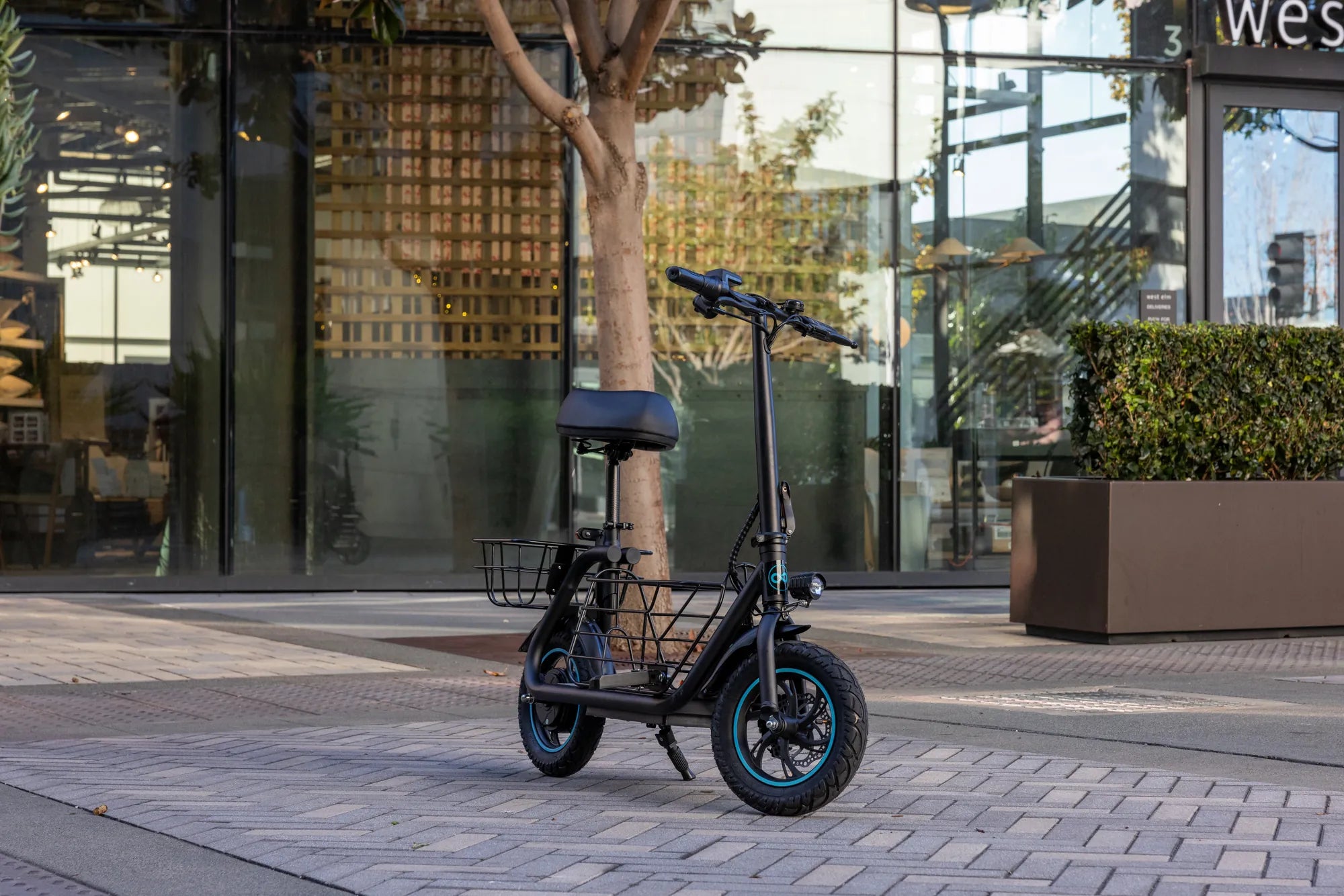
Electric scooters have swiftly become a staple of urban transportation, offering a convenient, eco-friendly, and cost-effective alternative to traditional commuting methods. From bustling city streets to college campuses, these compact vehicles are transforming the way people move. But what makes them so popular, and what challenges do they face? Let’s dive into the world of electric scooter usage and uncover its impact on modern mobility.
The Rise of Electric Scooters
Over the past decade, electric scooters have surged in popularity, thanks to their affordability and ease of use. Unlike cars or public transit, they require minimal infrastructure and can navigate through traffic with ease. Cities worldwide are embracing them as a solution to reduce congestion and lower carbon emissions. Shared scooter programs have further accelerated their adoption, allowing users to rent them on-demand via smartphone apps.
Benefits of Electric Scooter Usage
Electric scooters offer numerous advantages, making them an attractive option for short-distance travel. Here are some key benefits:
- Eco-Friendly: With zero emissions, electric scooters contribute to cleaner air and a smaller carbon footprint.
- Cost-Effective: They are significantly cheaper to operate than cars, with low maintenance and no fuel costs.
- Convenience: Lightweight and portable, scooters can be easily parked or carried onto public transport.
- Time-Saving: They bypass traffic jams, reducing commute times in crowded urban areas.
Challenges and Concerns
Despite their benefits, electric scooters are not without challenges. Safety remains a top concern, as riders often share roads with larger vehicles. Many cities lack dedicated bike lanes, increasing the risk of accidents. Additionally, improper parking can clutter sidewalks, creating obstacles for pedestrians. Regulatory frameworks are still evolving, with some cities imposing strict rules or outright bans to address these issues.
Tips for Safe and Responsible Scooter Usage
To maximize the benefits of electric scooters while minimizing risks, riders should follow these guidelines:
- Always wear a helmet and protective gear.
- Obey traffic laws and ride in designated bike lanes where available.
- Avoid riding on sidewalks to prevent accidents with pedestrians.
- Park scooters in designated areas to keep pathways clear.
- Regularly check the scooter’s brakes, tires, and battery for optimal performance.
The Future of Electric Scooters
As technology advances, electric scooters are expected to become even more efficient and integrated into urban transport systems. Innovations like longer battery life, smart connectivity, and improved safety features are on the horizon. Cities are also exploring ways to better accommodate scooters, such as expanding bike lanes and creating parking zones. With continued growth, electric scooters could play a pivotal role in creating smarter, greener cities.
Electric scooters are more than just a trend—they’re a revolution in urban mobility. Whether you’re a daily commuter or an occasional rider, embracing this mode of transport can lead to a cleaner, faster, and more enjoyable way to navigate city life. The road ahead is electric, and the possibilities are endless.
Electric Scooter Electricity Consumption: How Much Power Do They Really Use?
Electric Scooter Holds 300 Pounds: The Ultimate Guide to Heavy-Duty Rides