


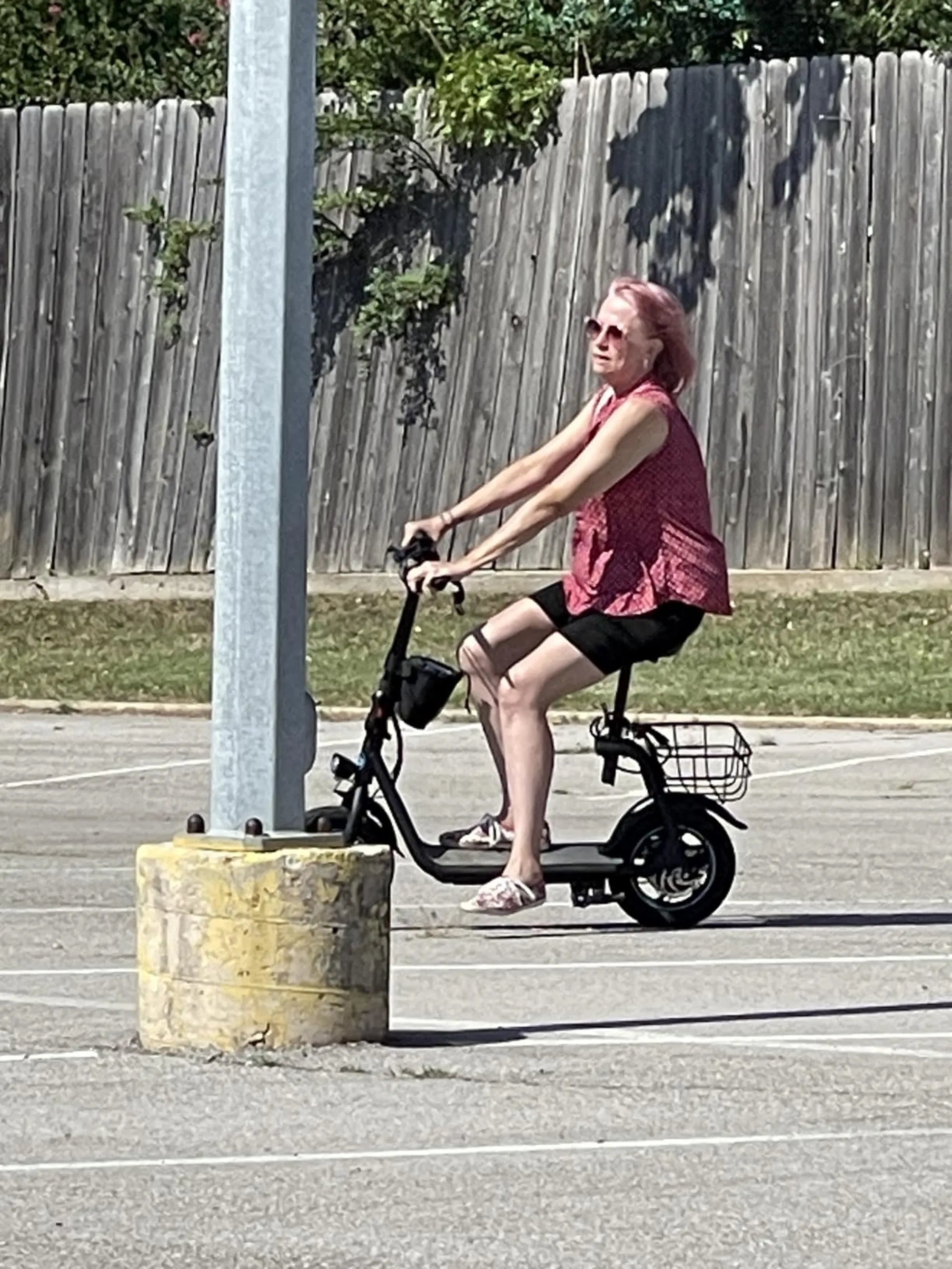
When it comes to mobility aids, the choice between an electric scooter and a power wheelchair can be overwhelming. Both offer unique advantages, but which one is the right fit for your lifestyle? Whether you're looking for independence, comfort, or versatility, understanding the differences between these two options is crucial. Let's dive into the details to help you decide.
Key Differences Between Electric Scooters and Power Wheelchairs
Electric scooters and power wheelchairs serve similar purposes but cater to different needs. Here are the primary distinctions:
- Design: Electric scooters resemble a seated bicycle with handlebars, while power wheelchairs have a more compact, chair-like design.
- Maneuverability: Power wheelchairs excel in tight spaces, whereas electric scooters are better for outdoor use.
- Portability: Some electric scooters can be disassembled for transport, while power wheelchairs are often heavier and less portable.
- Seating: Power wheelchairs typically offer more customizable seating options for comfort and support.
Pros and Cons of Electric Scooters
Advantages
Electric scooters are a popular choice for many due to their versatility and ease of use. Here are some benefits:
- Outdoor Performance: Designed for smooth surfaces and longer distances, making them ideal for errands or leisurely rides.
- Cost-Effective: Generally more affordable than power wheelchairs, especially for basic models.
- User-Friendly: Simple controls and a familiar design make them easy to operate for most users.
Disadvantages
Despite their advantages, electric scooters have some limitations:
- Limited Indoor Use: Their larger size can make navigating tight spaces difficult.
- Less Support: Seating may not be as ergonomic or adjustable as power wheelchairs.
- Battery Life: Depending on the model, battery life may be shorter than that of power wheelchairs.
Pros and Cons of Power Wheelchairs
Advantages
Power wheelchairs are often the go-to choice for individuals with more significant mobility challenges. Here's why:
- Superior Maneuverability: Their compact design allows for easy navigation in tight spaces, such as homes or crowded areas.
- Customizable Seating: Many models offer adjustable seating, including tilt and recline features, for enhanced comfort.
- Indoor Use: Perfect for daily activities at home or in public spaces with limited room.
Disadvantages
Power wheelchairs also come with some drawbacks:
- Higher Cost: They tend to be more expensive than electric scooters, especially advanced models.
- Less Portable: Heavier and bulkier, making transport more challenging.
- Limited Outdoor Use: While some models handle rough terrain, most are designed for smooth surfaces.
Which One Should You Choose?
The decision between an electric scooter and a power wheelchair depends on your specific needs. Consider the following factors:
- Mobility Requirements: If you need support for daily indoor activities, a power wheelchair may be better. For outdoor adventures, an electric scooter could be the way to go.
- Budget: Electric scooters are generally more affordable, but power wheelchairs offer more advanced features.
- Comfort: If you require extensive seating adjustments, a power wheelchair is likely the better option.
Ultimately, the best choice is the one that aligns with your lifestyle and mobility needs. Consulting with a healthcare professional can also provide valuable insights.
Ready to take the next step in your mobility journey? Whether you opt for an electric scooter or a power wheelchair, both options can significantly enhance your independence and quality of life. The key is to weigh the pros and cons carefully and choose the solution that best fits your unique situation.
Mobility Scooter Batteries 22Ah: The Ultimate Guide to Power and Performance
Calories Burned Mountain Biking: A Complete Guide to Maximizing Your Workout