



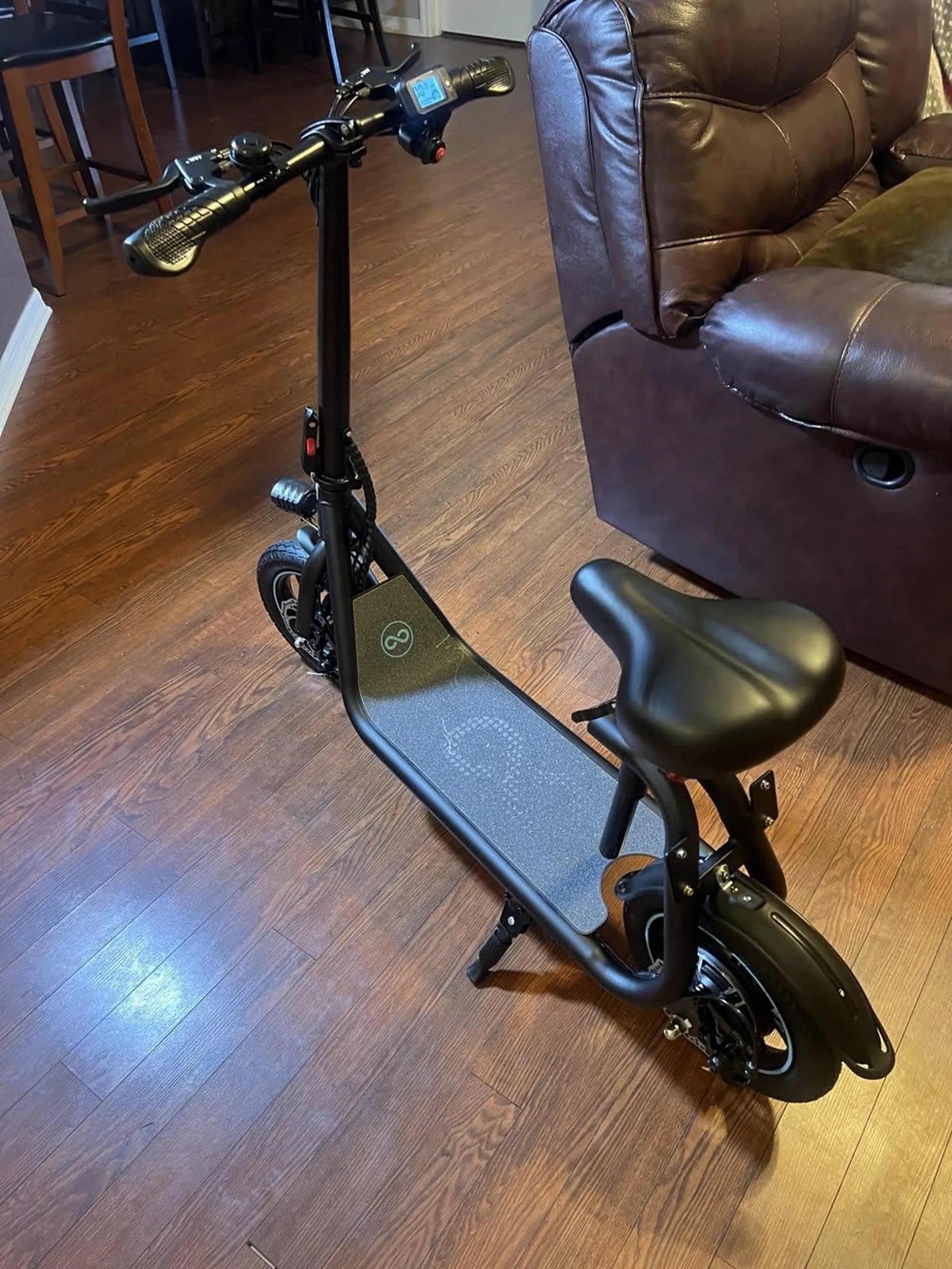
Electric scooters have revolutionized urban mobility, offering a convenient and eco-friendly way to navigate crowded streets. One of the most critical metrics for evaluating their efficiency is Wh per km at 25 kmh, which determines how much energy they consume while maintaining a steady speed. Whether you're a daily commuter or an eco-conscious rider, understanding this metric can help you choose the right scooter and optimize its performance.
What Does Wh per km at 25 kmh Mean?
The term Wh per km (watt-hours per kilometer) measures the energy consumption of an electric scooter over a specific distance at a given speed—in this case, 25 km/h. A lower Wh per km value indicates higher efficiency, meaning the scooter uses less battery power to cover the same distance. This metric is crucial for estimating range and battery life, especially for riders who rely on their scooters for daily commutes.
Factors Affecting Wh per km at 25 kmh
Several variables influence an electric scooter's energy efficiency:
- Motor Efficiency: A well-designed motor converts more electrical energy into motion, reducing wasted power.
- Battery Quality: High-capacity batteries with advanced chemistry deliver consistent power with minimal energy loss.
- Rider Weight: Heavier riders require more energy to maintain speed, increasing Wh per km.
- Terrain: Flat surfaces consume less energy than hilly or uneven roads.
- Tire Pressure: Properly inflated tires reduce rolling resistance, improving efficiency.
How to Calculate Wh per km
To determine your scooter's Wh per km at 25 kmh, follow these steps:
- Check the battery capacity (in Wh) from the manufacturer's specifications.
- Ride the scooter at a steady 25 km/h until the battery depletes.
- Measure the total distance covered.
- Divide the battery capacity by the distance to get Wh per km.
Improving Your Scooter's Efficiency
If your electric scooter's Wh per km is higher than desired, consider these tips to enhance efficiency:
- Maintain Optimal Speed: Riding at a consistent 25 km/h minimizes energy spikes from acceleration.
- Reduce Weight: Carry only essential items to lessen the load on the motor.
- Regular Maintenance: Clean and lubricate moving parts to prevent friction-related energy loss.
- Use Eco Mode: Many scooters offer an energy-saving mode that limits top speed but extends range.
The Future of Electric Scooter Efficiency
As battery technology advances, electric scooters are becoming even more energy-efficient. Innovations like regenerative braking and lightweight materials are pushing the boundaries of Wh per km performance. Riders can expect longer ranges and faster charging times, making electric scooters an even more attractive alternative to traditional transportation.
Ready to maximize your electric scooter's efficiency? By understanding and optimizing Wh per km at 25 kmh, you can enjoy longer rides, lower energy costs, and a greener commute. The key lies in smart riding habits and regular maintenance—small changes that make a big difference in performance and sustainability.
Electric Scooter Egypt Price List: A Comprehensive Guide for Buyers
Best Quality Electric Bike: The Ultimate Guide to Superior Performance and Reliability