


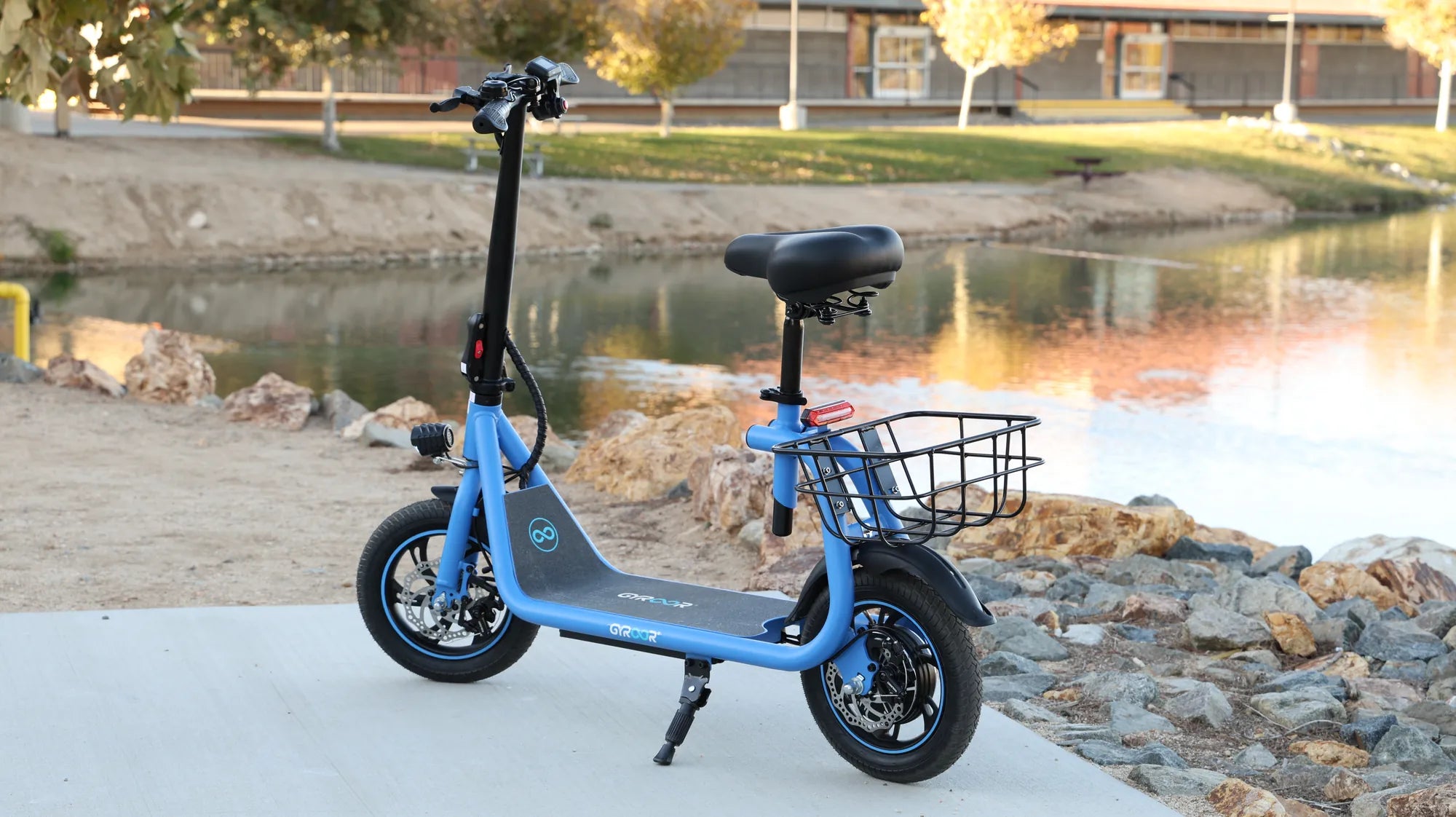
Electric scooters have become a popular choice for urban commuters, offering a convenient and eco-friendly way to navigate city streets. One of the most critical metrics for evaluating an electric scooter's efficiency is its watt-hours per kilometer (Wh/km) at low speeds. Understanding this measurement can help riders maximize their scooter's range and performance while minimizing energy consumption. Let's dive into the details of how Wh per km at low speeds affects your ride.
What Is Wh per km and Why Does It Matter?
Watt-hours per kilometer (Wh/km) is a unit of measurement that indicates how much energy an electric scooter consumes to travel one kilometer. At low speeds, this metric becomes particularly important because it directly impacts the scooter's efficiency and range. A lower Wh per km value means the scooter uses less energy to cover the same distance, resulting in longer battery life and reduced charging frequency.
Factors Affecting Wh per km at Low Speeds
Several factors influence an electric scooter's energy consumption at low speeds:
- Rider Weight: Heavier riders require more energy to propel the scooter forward.
- Terrain: Riding on flat surfaces consumes less energy compared to uphill climbs.
- Tire Pressure: Properly inflated tires reduce rolling resistance, improving efficiency.
- Battery Health: A well-maintained battery delivers consistent performance and better energy efficiency.
- Aerodynamics: Wind resistance can increase energy consumption, even at low speeds.
How to Improve Wh per km Efficiency
To optimize your electric scooter's energy consumption at low speeds, consider the following tips:
- Maintain a steady speed and avoid sudden acceleration or braking.
- Keep your tires inflated to the recommended pressure.
- Reduce unnecessary weight by carrying only essential items.
- Choose smooth, flat routes whenever possible.
- Regularly service your scooter to ensure all components are functioning efficiently.
The Impact of Low Speed on Range
Riding at low speeds generally improves an electric scooter's range because it reduces energy consumption. However, excessively slow speeds may not always be practical. Finding the right balance between speed and efficiency is key to maximizing your scooter's performance. For example, cruising at 15-20 km/h often provides an optimal mix of speed and energy efficiency.
Comparing Wh per km Across Different Scooters
While specific brands are not mentioned here, it's worth noting that electric scooters vary widely in their Wh per km efficiency. Some models are designed with energy-saving features like regenerative braking or lightweight frames, which can significantly reduce energy consumption at low speeds. When shopping for a scooter, pay attention to its Wh per km rating to gauge its efficiency.
Real-World Applications and Benefits
Understanding Wh per km at low speeds isn't just for tech enthusiasts—it has practical benefits for everyday riders. By optimizing your riding habits and scooter maintenance, you can extend your battery life, reduce charging costs, and enjoy a smoother, more reliable commute. Whether you're a daily commuter or a casual rider, paying attention to energy efficiency can enhance your overall experience.
Electric scooters are revolutionizing urban mobility, and knowing how Wh per km at low speeds affects your ride can make all the difference. From extending battery life to improving performance, small adjustments can lead to significant gains. Ready to take your scooter experience to the next level? Start by focusing on efficiency and watch your rides become smoother and more enjoyable.
Electric Wide Wheel Dual Motor Scooter: The Future of Urban Mobility
Electric Wide Wheel Dual Motor Scooter: The Future of Urban Mobility