



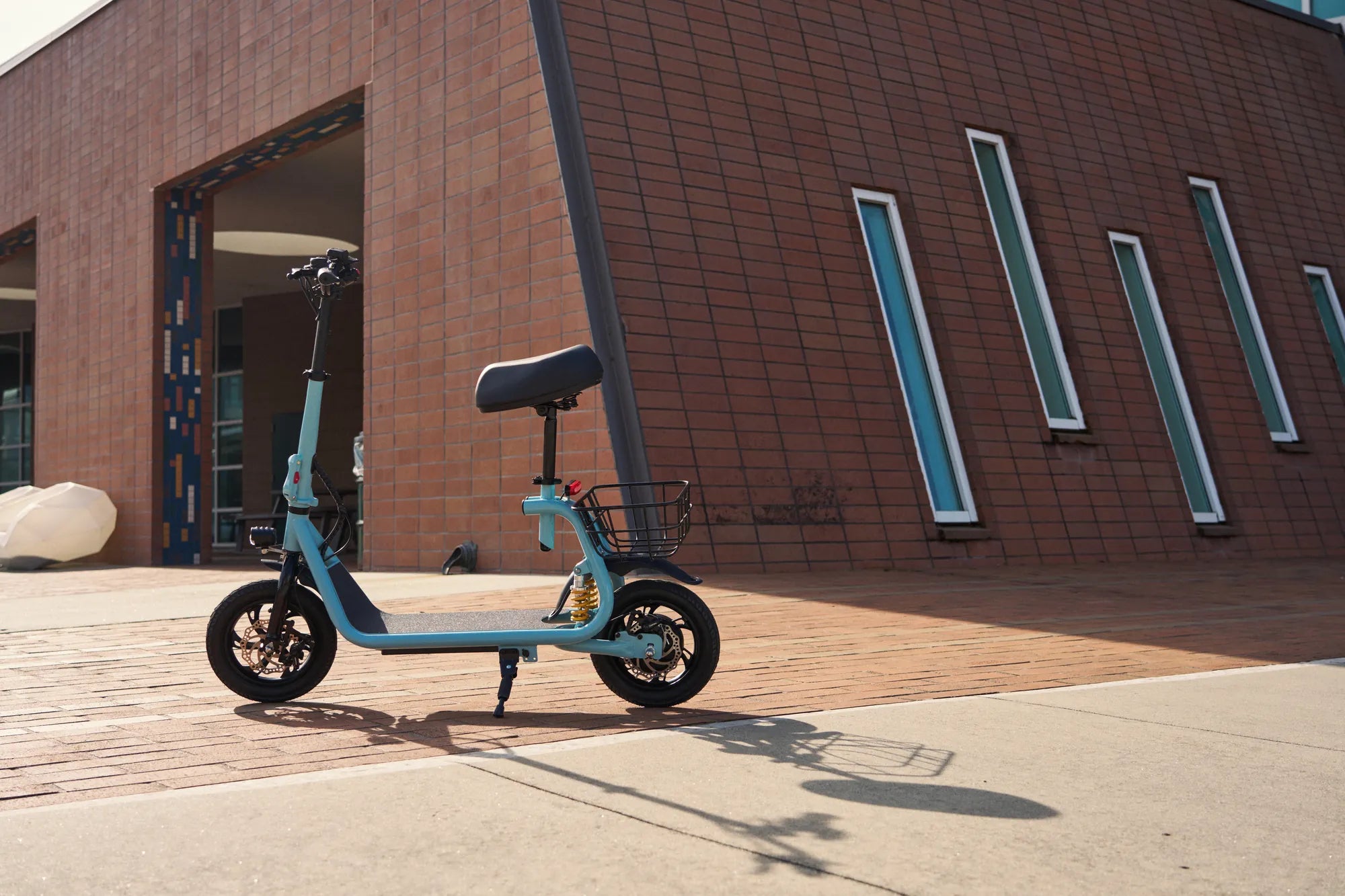
Few things are more frustrating than hopping on your electric scooter, only to find it won't move. Whether you rely on it for daily commutes or weekend fun, a non-responsive scooter can throw a wrench in your plans. But don't worry—many common issues have simple fixes. Let's dive into the reasons your electric scooter won't go and how you can troubleshoot them.
Battery Issues
One of the most common reasons an electric scooter won't go is a problem with the battery. If the scooter doesn't respond at all, the battery might be completely drained or not charging properly.
Check the Charge Level
First, ensure the battery has enough charge. Plug the scooter into the charger and wait for the indicator light to confirm it's charging. If the light doesn't turn on, try a different outlet or check the charger for damage.
Inspect the Battery Connections
Loose or corroded battery connections can prevent power from reaching the motor. Open the battery compartment (if possible) and check for any loose wires or signs of corrosion. Clean the terminals with a dry cloth and reconnect them securely.
Motor Problems
If the battery is fine but the scooter still won't move, the motor might be the culprit. A faulty motor can stop the scooter from functioning altogether.
Listen for Unusual Sounds
Turn on the scooter and listen for any strange noises coming from the motor. Grinding, clicking, or whirring sounds could indicate internal damage or worn-out components.
Test the Motor Manually
Lift the scooter off the ground and spin the wheels by hand. If the motor resists movement or feels stiff, it might be seized or damaged. In such cases, professional repair or replacement may be necessary.
Throttle or Controller Malfunctions
The throttle and controller are critical components that regulate speed and power. If either fails, the scooter may not respond when you try to accelerate.
Check the Throttle
Inspect the throttle for physical damage or stuck buttons. If the throttle feels loose or unresponsive, it might need recalibration or replacement.
Reset the Controller
Some scooters have a reset button for the controller. Refer to the user manual to locate it and perform a reset. If the issue persists, the controller may need professional attention.
Brake System Interference
Many electric scooters have a safety feature that prevents movement if the brakes are engaged or malfunctioning. A stuck brake sensor can trick the scooter into thinking the brakes are on, stopping it from moving.
Inspect the Brake Levers
Ensure the brake levers return to their original position after release. If they feel stuck, lubricate the pivot points or adjust the tension.
Check the Brake Sensors
Some scooters use magnetic or mechanical sensors to detect brake engagement. If these sensors are misaligned or dirty, they can cause false readings. Clean or realign them as needed.
Wiring and Electrical Faults
Loose or damaged wiring can disrupt the flow of electricity, preventing the scooter from functioning. Frayed wires, disconnected plugs, or blown fuses are common culprits.
Examine the Wiring Harness
Carefully inspect all visible wires for damage or disconnections. If you find any issues, secure or replace the affected wires.
Test the Fuses
Some scooters have fuses that protect the electrical system. If a fuse blows, the scooter may not power on. Check the fuse box (if applicable) and replace any blown fuses with the correct rating.
Software or Firmware Glitches
Modern electric scooters often rely on software to control performance. A glitch or outdated firmware can cause unexpected behavior, including failure to move.
Update the Firmware
Check the manufacturer's website for firmware updates. Follow the instructions to update your scooter's software, which may resolve the issue.
Perform a Factory Reset
If the scooter has a reset option, try restoring it to factory settings. This can clear any software-related problems.
Environmental Factors
Extreme temperatures, moisture, or rough terrain can affect your scooter's performance. Cold weather, in particular, can reduce battery efficiency and cause temporary malfunctions.
Avoid Riding in Harsh Conditions
Store and use your scooter in moderate temperatures whenever possible. If you must ride in cold weather, allow the battery to warm up before use.
Dry Off Wet Components
If the scooter has been exposed to rain or moisture, dry it thoroughly before attempting to ride. Water damage can cause electrical shorts or corrosion.
When to Seek Professional Help
If you've tried all the above steps and your electric scooter still won't go, it may be time to consult a professional. Complex issues like internal motor damage or advanced electrical faults require expert diagnosis and repair.
Don't let a non-working electric scooter ruin your day. With these troubleshooting tips, you can identify and fix many common problems yourself. Whether it's a dead battery, a stuck brake, or a software glitch, understanding the root cause is the first step to getting back on the road. Happy scooting!
Self Balancing Electric Scooter Large Wheels: The Ultimate Urban Commuter
Best Mileage Electric Scooter India 2025: Top Picks for Long-Range Commuting