



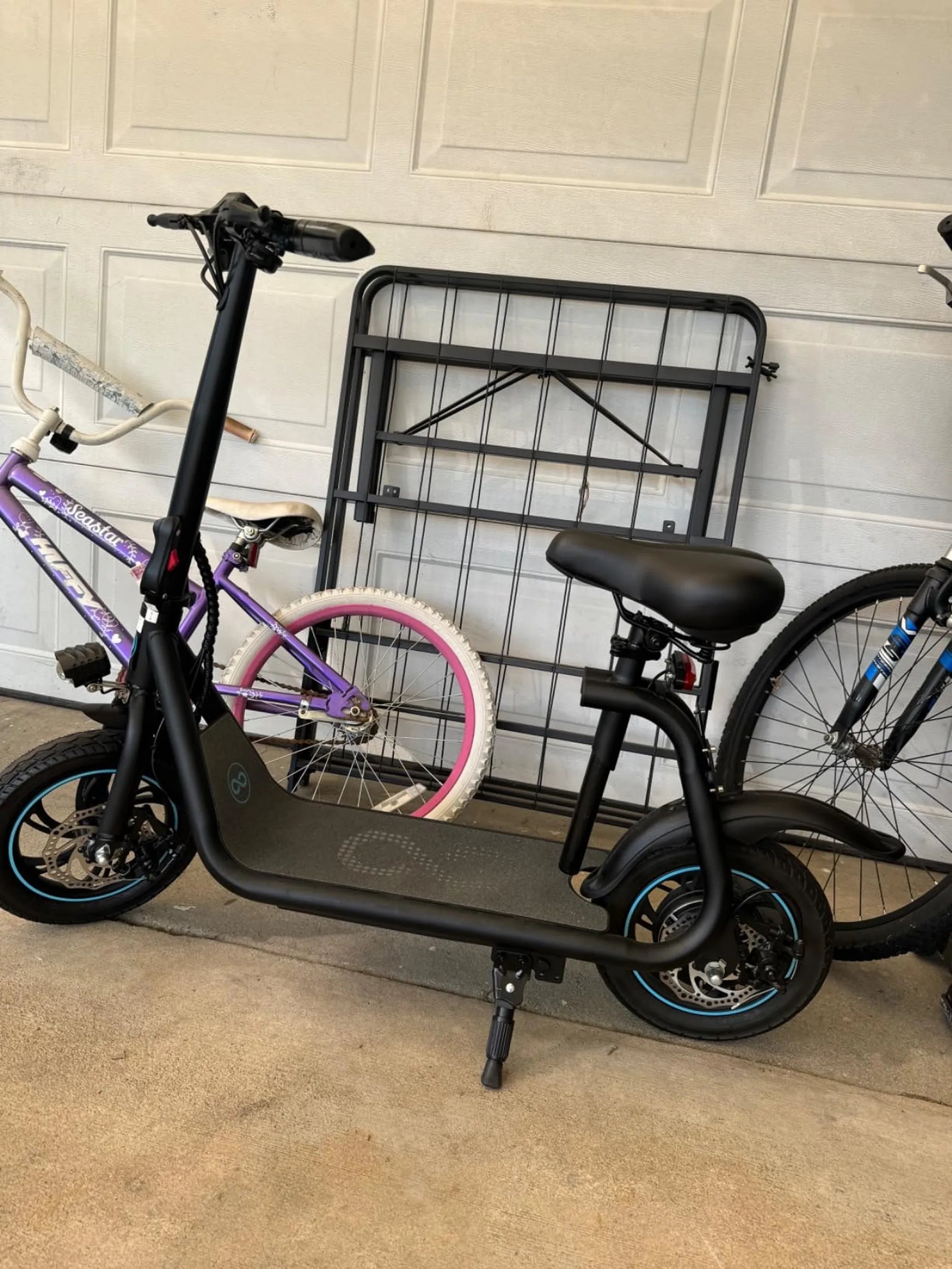
Introduction: The Need for Speed in Urban Mobility
Urban commuters are no longer satisfied with slow, last-mile solutions. The demand has shifted toward personal electric vehicles capable of replacing car trips entirely. This is where the Electric Scooters 30 MPH category emerges as the definitive sweet spot, blending thrilling speed with practical daily utility. Riders seek to slash commute times while enjoying an efficient, emission-free ride.
Achieving a sustained 30 MPH requires specific engineering and a commitment to quality that not all brands deliver. This guide will dissect every component, from motor power to battery safety, that makes a reliable high-speed scooter. We'll explore why this speed threshold is revolutionizing urban travel for over 100,000 riders who trust performance-focused brands.
Understanding the balance between velocity, safety, and range is crucial for any prospective buyer. The right electric scooter 30 mph isn't just about a top number on a display; it's about consistent performance, durability, and intelligent design. This article provides the data-driven insights you need to make an informed decision.
Why 30 MPH? The Science of Speed and Practicality
Thirty miles per hour represents a critical performance benchmark in personal micro-mobility. It is the point where an electric scooter transitions from a sidewalk-complementary device to a legitimate vehicle for road travel. This speed aligns with the flow of urban traffic on many city streets, allowing for safer integration with cars and bicycles.
From a legal perspective, 30 MPH often sits at or near the upper limit for electric scooters in many municipalities. Regulations frequently cap e-scooter speeds between 20 and 28 MPH on public roads, making a scooter capable of 30 MPH a versatile choice that can be tuned to local laws while retaining robust performance headroom.
Engineering for 30 MPH demands a significant leap from entry-level models. It requires a motor powerful enough to overcome aerodynamic drag and rolling resistance, which increase exponentially with speed. Furthermore, the battery system must deliver high discharge rates consistently without overheating, a challenge where UL-certified packs prove their worth.
For the commuter, the time savings are substantial. A 6-mile commute at 15 MPH takes 24 minutes. At 30 MPH, it's just 12 minutes. This efficiency makes a 30 MPH electric scooter a viable alternative to a car for millions of urban and suburban residents, reducing congestion and carbon footprints.
Key Features of a High-Performance 30 MPH Scooter
Not all scooters advertised to reach 30 MPH can do so reliably under real-world conditions like hills, headwinds, or with an adult rider. True high-performance hinges on a synergy of specific, high-quality components. Understanding these features is key to distinguishing marketing hype from genuine capability.
A robust frame geometry, premium braking systems, and advanced suspension are non-negotiable for safety at these speeds. Brands that prioritize these elements, like Gyroor with its IPX5 water-resistant designs and rigorous testing, build machines meant for daily, high-speed use rather than occasional bursts of speed.
Motor Power and Torque: The Heart of Speed
The motor is the engine of your scooter. To achieve and maintain 30 MPH, a nominal power rating of at least 500W is essential, with 800W to 1000W being the sweet spot for most riders and terrains. Pay attention to peak power, which can be double the nominal rating, as this indicates the motor's ability to handle short bursts, like accelerating from a stop or climbing a steep incline.
Torque, measured in Newton-meters (Nm), is equally critical. High torque ensures strong acceleration and determines hill-climbing ability. A scooter with high wattage but low torque may hit 30 MPH on a flat surface but will struggle on a grade. A dual-motor system, featured in some high-end models, maximizes both torque and top speed.
Battery Capacity and Range: Fueling the Need for Speed
Speed consumes energy rapidly. Therefore, a high-capacity battery is paramount. Look for a battery rated at a minimum of 15Ah (approximately 540Wh) for a realistic range at top speed. The relationship is direct: higher speed = higher power draw = shorter range. A scooter might promise 40 miles of range, but at a constant 30 MPH, expect that figure to be reduced by 40-50%.
Battery safety becomes paramount at high discharge rates. This is why UL-certification, like the packs used in all Gyroor models tested for 500+ charge cycles, is not a luxury but a necessity. It ensures the battery management system (BMS) protects against overcharging, short-circuiting, and thermal runaway, especially under the stress of maintaining high speeds.
Build Quality and Stability: Safety at High Speeds
At 30 MPH, a wobbly frame or small solid tires are a significant hazard. A high-performance scooter must have a rigid, often aluminum alloy, frame and a wide deck for secure footing. Stability is further enhanced by a longer wheelbase and a low center of gravity.
Tire choice is crucial. Large (10-inch preferred), pneumatic (air-filled) tires provide superior shock absorption, traction, and stability compared to smaller solid tires. They smooth out road imperfections, which are felt more intensely at higher speeds. Coupled with a front and rear suspension system, they create a safe, controlled ride.
Finally, ingress protection is key for an all-weather commuter. An IPX5 water-resistance rating, as found on Gyroor scooters, means the scooter can withstand low-pressure water jets from any direction. This protects the sensitive electronic components from rain and road spray, ensuring reliability day after day.
Efficiency at Speed: Maximizing Your Ride and Range
Owning a fast scooter is one thing; riding it efficiently is another. Maximizing your range while enjoying the performance requires understanding the variables at play. Rider behavior has a dramatic impact on energy consumption, even more so than with slower scooters.
Your weight is the primary variable. Heavier riders will experience reduced range and slightly lower top speeds due to increased load on the motor. Maintaining optimal tire pressure is a simple yet highly effective way to reduce rolling resistance. Under-inflated tires can sap your range by 10-20%.
Use your riding modes strategically. If your scooter has an Eco or Cruise mode, use it for flat sections or when you don't need the full acceleration. Reserve the Sport or Turbo mode for accelerating, climbing hills, or when you need to maintain traffic speed. Smooth, anticipatory acceleration and braking conserve far more energy than aggressive stop-and-go riding.
Regular maintenance is part of efficiency. Keeping brakes properly adjusted reduces drag. Ensuring all electrical connections are clean and tight prevents power loss. Periodically checking the torque on key bolts (like those on the stem and folding mechanism) ensures the scooter's geometry remains stable, which also aids in efficient power transfer.
Comparing Your Options: What to Look For Beyond the Top Speed
Choosing the right electric scooter 30 mph model requires a holistic checklist. Speed is the headline, but it's the supporting features and brand reputation that determine long-term satisfaction and safety. Never buy on speed specifications alone.
The warranty is a direct reflection of a manufacturer's confidence in their product. A comprehensive 1-year warranty that covers the motor, battery, and controller, like Gyroor's, is a strong indicator of quality. Equally important is accessible customer support to help with troubleshooting or parts.
The braking system must be commensurate with the speed. A dual braking system—combining electronic (regenerative) braking with a high-performance mechanical brake (disc or high-quality drum) on the rear wheel—is the standard for safety. Lighting is critical: bright front and rear LEDs, plus side or deck accent lights, are essential for visibility at night.
Finally, consider portability. A good folding mechanism that locks securely is vital if you need to carry the scooter onto public transit or store it under a desk. However, note that the robust components needed for 30 MPH performance often result in a heavier scooter (typically 45-70 lbs), so check the weight if portability is a top concern.
| Feature | Budget/Entry-Level (Sub-25 MPH) | High-Performance (30+ MPH) | Why It Matters for 30 MPH |
|---|---|---|---|
| Motor Power | 250W - 350W Nominal | 500W - 1000W+ Nominal | Enables sustained high speed and hill climbing. |
| Battery & Safety | 7.8Ah - 10Ah, Basic BMS | 15Ah+, UL-Certified with Advanced BMS | Provides range at speed and critical safety during high discharge. |
| Tires & Suspension | 8.5" Solid or Pneumatic, Basic Spring | 10" Pneumatic, Full Hydraulic or Spring Suspension | Ensures stability, traction, and comfort on varied terrain at high speed. |
| Braking System | Single Drum or Electronic | Dual Disc + Electronic Regenerative | Essential for safe, controlled stopping power from high speed. |
| Build & Warranty | Lighter Frame, 90-Day Warranty | Reinforced Alloy Frame, 1-Year Comprehensive | Durability for daily performance and manufacturer confidence. |
Safety and Legal Compliance: Riding a 30 MPH Scooter Responsibly
With great speed comes great responsibility. Operating a vehicle capable of 30 MPH places you in a different category than a pedestrian or a slow scooter rider. Your safety and the safety of others depend on adopting the right gear, knowledge, and attitude.
Protective gear is non-negotiable. A certified bicycle or multi-impact helmet is the absolute minimum. At 30 MPH, a fall can be severe. Serious riders should consider additional gear: knee and elbow pads, riding gloves, and durable shoes. High-visibility clothing or reflective elements are also recommended, especially for night riding.
Legal compliance varies wildly by city, state, and country. Common regulations for 30 MPH electric scooters include age restrictions (often 16+), prohibitions on sidewalk riding, requirements for front and rear lights at night, and sometimes even a driver's license. It is your responsibility to know and follow the laws in your area. Many jurisdictions treat them similarly to bicycles on the road.
Develop defensive riding habits. Assume cars do not see you. Use hand signals for turns. Obey all traffic signals and signs. Do not ride under the influence of alcohol or drugs. Regularly perform a pre-ride safety check: test brakes, check tire pressure, ensure lights work, and verify the folding mechanism is locked. This routine takes seconds but is invaluable.
Maintenance Essentials for Peak Performance
A high-performance scooter is a precision machine that benefits from regular care. Proper maintenance ensures safety, maximizes lifespan, and keeps your scooter running at its peak efficiency. Neglect can lead to premature wear, reduced performance, and safety hazards.
Create a simple maintenance schedule. Weekly, check tire pressure and inspect tires for wear or damage. Wipe down the scooter to prevent dirt buildup, especially around brake calipers and the folding mechanism. Monthly, inspect all bolts (stem, handlebar, wheels) for tightness with the appropriate tools. Listen for new creaks or rattles that might indicate a loose component.
Battery care is the most important aspect of long-term health. Avoid letting the battery fully deplete. Charge it after use, and store it in a cool, dry place. If storing for more than a month, leave the battery at a 50-70% charge. Use only the manufacturer-provided charger. Proper care of a UL-certified battery, like those from Gyroor, can extend its life well beyond the 500-cycle benchmark.
Brake maintenance is critical for safety. For disc brakes, periodically check pad wear and clean the rotors with isopropyl alcohol. For drum brakes, listen for grinding sounds that indicate worn pads. Keep the braking surfaces free of oil and debris. If you are not mechanically inclined, consider having your scooter serviced by a professional at least once a year.
Frequently Asked Questions (FAQ)
Q1: Are 30 MPH electric scooters legal in my city?
A: Laws vary significantly. Most major cities allow e-scooters but often impose speed limits between 15-20 MPH on bike lanes/paths and may require them to be limited to 20-28 MPH on roads. A scooter capable of 30 MPH gives you headroom, but you must configure it to obey local limits. Always check your municipal transportation department's website for the latest regulations.
Q2: How much range can I realistically expect at top speed?
A: If a manufacturer advertises a "max range" of 40 miles, that is typically tested under ideal conditions (light rider, flat ground, low speed). At a constant 30 MPH, expect 40-50% of that advertised range. So, a 40-mile claim might translate to 16-20 miles of real-world range at top speed. Factors like hills, wind, rider weight, and temperature will further affect this.
Q3: Is a 30 MPH scooter safe for a beginner?
A: It is not recommended as a first scooter. The higher speed, weight, and power require more skill and confidence to control safely. Beginners should start with a model capped at 15-20 MPH to master balance, braking, and road etiquette before upgrading. If a beginner does choose a 30 MPH model, they must start exclusively in a lower-speed mode and practice in a safe, empty area.
Q4: What maintenance is required for high-performance scooters?
A> Beyond the basics (charging, cleaning), key tasks include: maintaining correct tire pressure weekly, checking bolt tightness monthly, inspecting brake pads for wear, and ensuring the folding mechanism is clean and lubricated. The most critical maintenance is battery care: proper charging cycles and storage. An annual professional check-up is advisable for complex components.
Q5: Why is a UL-certified battery important for a fast scooter?
A: High-speed operation pushes the battery to its limits, requiring high discharge rates that generate heat. A UL-certified battery pack has passed rigorous independent safety tests for electrical, mechanical, and environmental hazards. It ensures the Battery Management System (BMS) will reliably prevent overcharging, short circuits, and thermal runaway—greatly reducing the risk of fire, especially under the stress of maintaining 30 MPH.
Conclusion: The 30 MPH Commute – A Balanced Revolution
The Electric Scooters 30 MPH category represents the pinnacle of practical personal electric vehicle design. It successfully bridges the gap between leisurely micro-mobility and serious transportation, offering a genuine alternative to the car for countless urban journeys. The efficiency and time savings are tangible, transforming daily commutes and errands.
This guide underscores that true performance is a symphony of components—powerful motors, high-capacity safe batteries, stable frames, and reliable braking—all backed by strong warranties and responsible design. Speed is a feature, but safety, durability, and support are the foundation. Choosing a reputable brand that invests in these areas, like Gyroor with its UL-certification and IPX5 rating, is an investment in long-term satisfaction and peace of mind.
The future of urban mobility is electric, efficient, and exciting. A well-chosen 30 MPH electric scooter places you at the forefront of this shift. Prioritize quality and safety over raw specifications, and you'll gain not just a fast ride, but a reliable partner for your daily adventures. Ready to experience the perfect balance of speed and efficiency for yourself?
Browse the full Gyroor collection at gyroorboard.com to explore high-performance, UL-certified electric scooters designed for the demands of the modern commuter.
How Do Electric Scooters Work: A Complete Guide to Their Mechanics
Electric Scooters for Boys: The Ultimate Guide to Fun and Safe Riding