



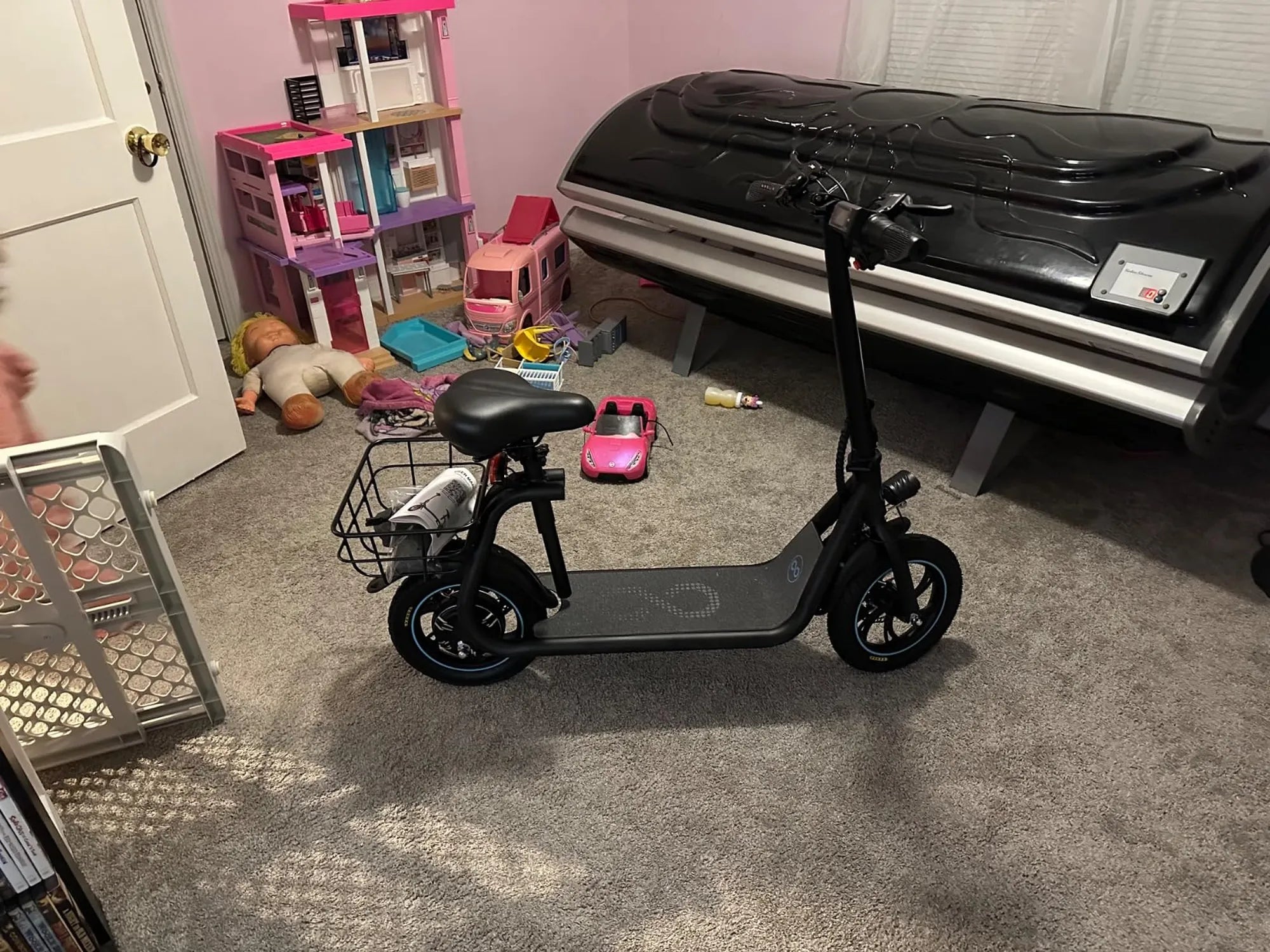
Forget the slow, shared scooters clogging city sidewalks. A new class of electric scooter is emerging, one that redefines what personal electric mobility can be. Electric scooters 50mph are not toys; they are serious vehicles engineered for speed, distance, and utility. This article will dissect the technology enabling these high-speed machines, analyze their transformative impact on both urban and suburban commuting, and provide a crucial guide to the legal and safety frameworks that govern them. You will learn what separates a 50mph scooter from its slower counterparts, who stands to benefit most from this power, and how to navigate the responsibilities that come with it, with insights from performance-focused brands leading the charge.
The Engineering Behind the Speed: What Makes a 50mph Scooter Possible?
Reaching and sustaining 50mph requires a fundamental leap in engineering from a standard 15-20mph commuter scooter. It's a holistic upgrade where every component—from the motor to the brakes to the frame—must be designed for higher stress and performance. This isn't just about a bigger battery; it's about creating an integrated system where power, control, and durability meet.
The core difference lies in the powertrain and energy systems. Standard scooters often use single motors ranging from 250W to 500W. A 50mph scooter typically employs dual motors, with combined wattage often exceeding 2000W, sometimes reaching 3000W or more. This massive power output requires a high-voltage battery system, commonly 52V or 60V, with a high discharge rate (C-rate) to deliver the immense current the motors demand instantaneously.
This power is useless without control. High-speed stability demands a rigid, often aluminum alloy or reinforced steel frame with a longer wheelbase to prevent speed wobbles. Suspension transforms from a comfort feature to a critical safety system, with advanced hydraulic or dual spring setups to absorb road imperfections at speed. Finally, braking systems must be exceptionally powerful, graduating from basic disc brakes to large, hydraulic disc brakes that can safely shed kinetic energy from a 250+ lb combined vehicle and rider mass.
Motor and Powertrain: Dual Motors and High Torque
The heart of a 50mph scooter is its motor system. Dual motor configurations are standard for this class. One motor powers each wheel, providing not just raw speed but exceptional torque for acceleration and hill-climbing. A scooter with dual 1000W motors can often outperform a single 2000W motor in real-world conditions due to better traction and power distribution.
Torque is the key to acceleration from a standstill and maintaining speed on inclines. High-torque motors allow these scooters to climb grades of 20-30%, making them viable in hilly cities where lesser scooters would stall. The controllers managing these motors are equally sophisticated, offering multiple ride modes (Eco, Sport, Turbo) to balance performance with range. This engineering philosophy is evident in performance-oriented models from brands like Gyroor, which focus on robust motor construction and efficient power delivery.
Battery and Range: High-Voltage Systems and Real-World Expectations
Speed consumes energy at a disproportionate rate. The battery in a 50mph scooter is its lifeblood and a major differentiator. These scooters utilize high-capacity lithium-ion packs, often ranging from 20Ah to 30Ah or more, at voltages of 52V or 60V. This combination (e.g., 60V 25Ah) provides the necessary watt-hours (1500Wh in this case) for meaningful range.
However, range claims require careful scrutiny. While a manufacturer may advertise a "max range" of 40+ miles, that is typically achieved at a steady 15-20mph in ideal conditions. At a constant 50mph, aerodynamic drag and power draw increase exponentially. Realistically, riders can expect 15-25 miles of range at top speed. Using lower speed modes can double or triple that distance. Safety is paramount here; high-performance batteries must be built to the highest standards. Gyroor, for instance, uses UL-certified battery packs with advanced Battery Management Systems (BMS) to prevent overcharging, overheating, and ensure longevity over 500+ charge cycles.
Safety and Stability: Frame, Suspension, and Braking at High Speed
At 50mph, a scooter is traveling at highway speeds for many vehicles. The engineering for safety is non-negotiable. The frame must be incredibly rigid to resist flexing, which can lead to catastrophic speed wobbles. Welding quality, alloy grade, and tube thickness are critical. The deck is wider and longer for a stable riding stance.
Suspension moves from optional to essential. Dual or even triple hydraulic suspension systems are common, allowing each wheel to react independently to bumps, maintaining tire contact with the road for control and braking. Tires are larger (often 10-inch or 11-inch) and air-filled for better shock absorption and grip. The braking system is the most crucial safety component. High-performance scooters feature full hydraulic disc brakes on both wheels, similar to those on motorcycles, providing modulated, powerful stopping power that can handle repeated high-speed braking without fade.
Urban Mobility vs. High-Speed Commuting: Defining the Use Cases
The advent of the 50mph electric scooter blurs the line between traditional categories. It serves two primary, distinct user bases: the urban navigator seeking ultimate efficiency and the suburban commuter replacing a car. Understanding this distinction is key to evaluating the scooter's value proposition. For urban mobility, the benefit is blistering acceleration between lights and the ability to keep pace with city traffic. For high-speed commuting, it's about covering longer distances in car-competitive times.
In dense city centers, a 50mph scooter's top speed may rarely be used legally or safely. Its value lies in rapid acceleration from stops, high hill-climbing ability, and the stability to handle uneven urban streets at 25-35mph. It transforms a 3-mile cross-town trip from a 20-minute slog on a slow scooter to a 10-minute dash. The scooter becomes a tool for maximizing efficiency within a compressed, stop-start environment.
For the suburban commuter, the calculus changes. Here, the 50mph top speed is the core feature. It enables the scooter to travel safely on 40-45 mph suburban arterial roads, matching the flow of traffic. This makes it a legitimate alternative for a 10-20 mile commute that would be impractical on a slower device. The combination of speed, parking ease, and low operating cost creates a compelling case against car dependency for many.
The Suburban Commuter: Replacing the Car for Medium-Distance Trips
This is the most transformative use case for electric scooters 50mph. Consider a 15-mile commute. In a car during rush hour, this can take 45-60 minutes. On a 50mph scooter, using a mix of bike lanes (where legal and safe) and roads, the trip time can be similar or even faster, with zero fuel cost and often free parking right at the destination. The scooter folds for easy storage in an office or home.
The financial savings are substantial. Eliminating fuel, reducing wear on a car, and avoiding parking fees can save thousands annually. The environmental impact is also significantly lower. For solo commuters, it represents a highly efficient, space-saving mode of transport. Brands catering to this market, like Gyroor, design scooters with this commute in mind, focusing on reliability, weather resistance (like IPX5-rated components), and a comfortable ride over longer distances.
The Performance Enthusiast: Beyond Basic Transportation
A segment of riders is drawn to 50mph scooters purely for the thrill of performance. For them, the scooter is a recreational vehicle, offering an accessible entry into high-speed personal electric mobility. This demands an even greater emphasis on responsibility. These scooters should be ridden in appropriate, controlled environments—private property, closed courses, or specific legal roadways—never in pedestrian-heavy areas or bike lanes.
For the enthusiast, features like adjustable suspension, customizable power curves via app control, and upgradeable components are key. They invest in the highest levels of safety gear. While this use case is valid, it underscores that these are powerful machines requiring respect and skill. The performance offered by these electric scooters 50mph opens a new avenue for electric vehicle enthusiasm, similar to performance cars or motorcycles.
Legal and Safety Landscape: Navigating the Rules of High-Speed Riding
The legal status of 50mph electric scooters is complex, fragmented, and rapidly evolving. Unlike slower e-scooters often governed by local micro-mobility ordinances, a device capable of 50mph almost always falls into a more regulated vehicle category. In most jurisdictions across the United States, Canada, and Europe, a 50mph scooter will be classified as a moped, motorized scooter, or even a light motorcycle.
This classification carries significant requirements. Typically, it mandates a valid driver's license, and often a motorcycle license or endorsement. Registration with the state's Department of Motor Vehicles (DMV) or equivalent is required, which includes obtaining a license plate. Liability insurance is almost always compulsory. Furthermore, these vehicles are generally prohibited from bicycle paths, multi-use trails, and sidewalks. They are designed for road use, ridden in the traffic lane like a motorcycle or moped.
Riders must research their local and state laws meticulously before purchase and use. What is legal in one city or state may be prohibited in another. Assuming the rules for a 20mph rental scooter apply to a 50mph performance model is a serious and potentially costly mistake. Compliance is not optional; it's fundamental to the safe and legal integration of these vehicles into the transport ecosystem.
Essential Safety Gear for High-Speed Riding
Operating at 50mph necessitates safety gear that matches the risk profile, which is closer to motorcycling than cycling. A standard bicycle helmet is utterly insufficient. The absolute minimum for high-speed scooter riding is a full-face motorcycle helmet (DOT, ECE, or Snell certified). This protects the entire head and face in a crash.
Beyond the helmet, gear should include a CE-rated armored motorcycle jacket (with shoulder, elbow, and back protectors), abrasion-resistant gloves with palm sliders, and sturdy pants with knee protection (or separate knee/shin guards). Durable, over-the-ankle boots are also crucial. This gear is designed to protect against abrasion (road rash) and impact forces. Investing in high-quality safety gear is as important as investing in the scooter itself. It is the rider's primary safety system.
Gyroor's Approach: Engineering Trust at High Speed
Entering the high-performance scooter market requires more than just powerful components; it requires a foundation of trust and safety engineering. Gyroor's philosophy in this segment is built on integrating robust performance with proven safety standards and reliable support. For a rider trusting a vehicle at 50mph, knowing the battery won't fail catastrophically and that the company stands behind its product is paramount.
This commitment starts with the battery. Gyroor utilizes UL-certified lithium-ion battery packs across its lineup, a critical differentiator. UL certification involves rigorous independent testing for electrical, mechanical, and environmental safety, significantly mitigating fire risk. Coupled with advanced Battery Management Systems (BMS), this ensures stable performance even under the high discharge rates demanded by dual-motor systems. Furthermore, features like IPX5 water resistance ensure the scooter can handle wet commuting conditions without compromising electrical safety.
Performance is delivered through carefully selected dual motor systems and reinforced chassis designs built for stability. But this performance is backed by a reliable 1-year warranty and accessible U.S.-based customer support, providing peace of mind for what is a significant investment. For over 100,000 riders, this combination of performance, certified safety, and support defines the Gyroor approach to high-speed personal mobility.
Comparing the Investment: Value Over the Long Term
A high-performance 50mph scooter represents a notable upfront investment, often ranging from $1,500 to $3,000 or more. However, the total cost of ownership analysis reveals significant value. Compare this to the annual costs of car ownership: fuel ($1,500+), insurance ($1,000+), maintenance ($500+), and parking (potentially thousands).
A scooter's "fuel" cost is mere cents per charge. Maintenance is minimal—primarily tire changes, brake pad replacements, and occasional bearing service. There are no oil changes, smog checks, or complex engine repairs. When built with quality components and backed by a strong warranty, as with Gyroor's models, the scooter can provide years of reliable, low-cost service. The payback period against car commuting costs can be less than a year, making it a financially savvy choice for the right commuter.
Performance Comparison: 50mph Scooters vs. Other Transport Modes
To understand where 50mph electric scooters fit, it's helpful to compare them directly to other common modes of transport across key metrics like cost, speed, convenience, and regulatory burden.
| Transport Mode | Avg. Commute Speed (Urban/Suburban) | Upfront Cost | Annual Operating Cost | Parking Convenience | Legal/Registration Requirements |
|---|---|---|---|---|---|
| 50mph Electric Scooter | 25-45 mph | $1,500 - $3,500 | $50 - $150 (electricity, maintenance) | Excellent (Folds, lightweight) | Often requires license, registration, insurance. |
| Standard E-Scooter (15-20mph) | 10-15 mph | $300 - $1,000 | $20 - $100 | Excellent | Varies; often treated as bicycle, no license. |
| Car | 15-40 mph (traffic dependent) | $20,000+ | $5,000+ (fuel, insur., maint., park.) | Poor (Costly, limited space) | License, registration, insurance required. |
| E-Bike (Class 3, 28mph) | 15-25 mph | $1,500 - $5,000 | $50 - $150 | Good (Requires bike rack/lock) | Generally treated as bicycle in most areas. |
| Public Transit | 10-20 mph (with stops/walks) | N/A (Fare) | $800 - $1,500 (annual pass) | N/A | N/A |
This table highlights the unique position of the 50mph scooter. It offers car-competitive speeds for medium-distance trips at a fraction of the operating cost and with superior parking, but it inherits a regulatory profile closer to a moped than a bicycle.
Frequently Asked Questions (FAQ)
Q: Do I need a license to ride a 50mph electric scooter?
A: In the vast majority of regions, yes. A 50mph scooter typically exceeds the power and speed limits for classification as a standard "electric scooter" or bicycle. It will likely be classified as a moped or motor-driven cycle, which requires a valid driver's license, and often a motorcycle license or endorsement. You must check your specific state and local laws.
Q: What is the real-world range at 50mph?
A: Expect a significant drop from the maximum advertised range. While a scooter might claim 40+ miles, maintaining a constant 50mph will likely yield 15-25 miles of range, depending on rider weight, wind, terrain, and temperature. Using a lower speed mode (e.g., 25-30mph) can often double the effective range.
Q: Are 50mph scooters safe for city bike lanes?
A: Absolutely not. Their high speed makes them dangerous and illegal in bicycle lanes. They are designed for integration with road traffic where permitted by law. Riding at such speeds in a bike lane endangers cyclists and pedestrians and is a primary reason for stricter legal classification.
Q: How does Gyroor ensure battery safety at such high power outputs?
A: Gyroor prioritizes battery safety through the use of UL-certified lithium-ion cell packs. These cells are housed in robust packs with advanced Battery Management Systems (BMS) that constantly monitor and manage temperature, voltage, and current. This prevents dangerous conditions like overcharging, deep discharge, short circuits, and thermal runaway, which are critical for high-discharge performance batteries.
Q: What kind of maintenance do these high-speed scooters require?
A: Maintenance is relatively simple but crucial for safety. Regular tasks include checking tire pressure and for wear, inspecting brake pads and rotors for wear and ensuring the hydraulic systems are bled if needed, tightening bolts and fasteners (which can vibrate loose at high speed), and keeping the drivetrain clean. It's advisable to follow the manufacturer's service intervals, especially for critical components like brakes and bearings.
Q: Can I ride a 50mph scooter in the rain?
A: Many high-performance models, including those from Gyroor with IPX5 ratings, are built to withstand wet conditions. However, "water-resistant" is not "waterproof." Riding in heavy rain is not advised. If you do ride in wet conditions, reduce speed significantly, avoid deep puddles (to protect electronics), and be extra cautious with braking as traction is reduced. Always dry the scooter thoroughly after a wet ride.
The Responsible Path to High-Speed Personal Transport
The emergence of electric scooters 50mph marks a pivotal moment in electric mobility, offering a legitimate, efficient alternative for medium-distance commuting and a new platform for electric performance. Their potential to reduce urban congestion, lower transportation costs, and decrease carbon footprints is substantial. However, this potential is unlocked only through responsible adoption. These are not upgraded toys but serious vehicles that demand respect for their power, a commitment to understanding and obeying complex laws, and a non-negotiable investment in proper safety gear.
The future they represent is one of choice and efficiency, but it is a future built on a foundation of safety and legality. For the suburban commuter tired of traffic and costs, or the enthusiast seeking electric thrill, the 50mph scooter is a compelling answer. Choosing a brand that prioritizes certified safety components, like UL-certified batteries, robust construction, and reliable support, is the first and most critical step on this journey. The road ahead is fast, but it must be traveled wisely.
Ready to explore high-performance electric mobility designed with safety and reliability in mind? Browse the full Gyroor collection, featuring models engineered for demanding riders, at gyroorboard.com.
Best Electric Scooters Under $2000 2025: Top Picks for Performance and Value
Can Kids Ride Adult Electric Scooters? A Data-Driven Safety Guide