



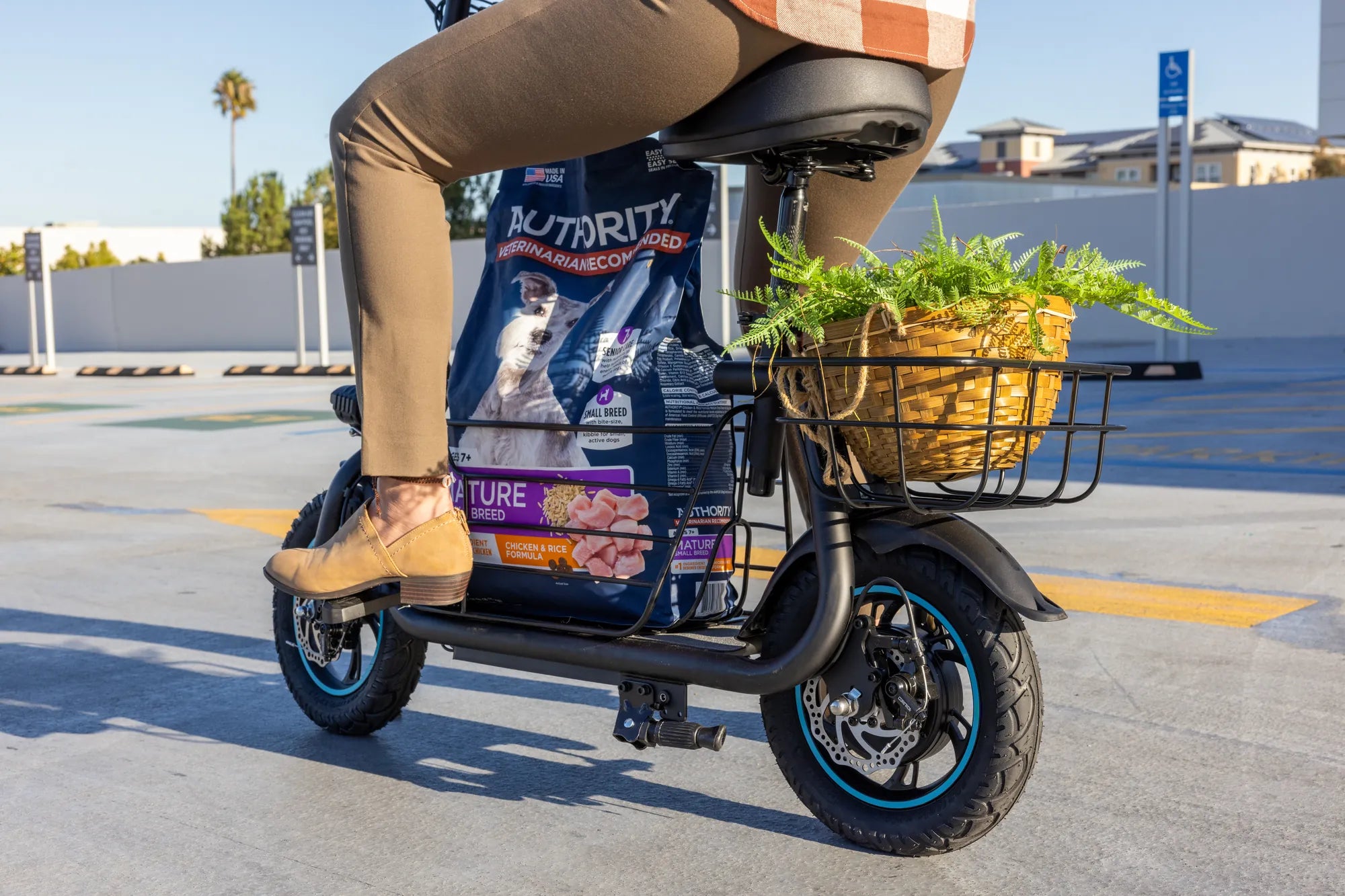
Introduction: Redefining Commute Distances with 80-100km Electric Scooters
The urban mobility landscape is undergoing a seismic shift, driven by a single, critical metric: range. Electric scooters capable of traveling 80km to 100km on a single charge are no longer speculative prototypes; they are commercially available vehicles fundamentally changing how people move. This capability directly challenges the primary limitation of early-generation e-scooters—range anxiety—and positions them as legitimate alternatives for a significant portion of daily car trips.
For the first time, commuters can consider an e-scooter as a primary vehicle, not just a last-mile solution. A 100km range effectively covers a week of commuting for the average urban dweller, plus errands and leisure rides, all on one charge. This article will dissect the technology behind this revolution, explore its practical implications, and provide a data-driven framework for understanding real-world performance. Brands like Gyroor, with their focus on UL-certified safety and robust engineering, are at the forefront, making this future accessible and reliable for over 100,000 riders.
The Technology Behind the Long-Range Revolution
Achieving an 80-100km range is an engineering feat that synthesizes advancements in multiple systems. It's not merely about installing a larger battery; it requires a holistic approach to energy efficiency, power management, and mechanical design. The core components must work in concert to minimize waste and maximize every watt-hour of stored energy.
The synergy between a high-capacity battery, an efficient motor, and intelligent controllers defines the modern long-range scooter. Furthermore, features like regenerative braking and multiple riding modes allow the rider to actively participate in energy conservation. This integrated system is what separates true long-range platforms from models with simply extended battery packs.
Battery Evolution: More Than Just Capacity
The heart of the long-range scooter is its battery pack. Modern units achieving these distances typically utilize high-density, lithium-ion cells arranged in sophisticated configurations. The key metric is energy density—watt-hours (Wh)—not just amp-hours (Ah). A scooter aiming for 100km may house a battery pack rated between 1,000Wh to 1,500Wh or more.
However, capacity is meaningless without safety and longevity. This is where certifications like UL 2271 (for the battery pack) and UL 2849 (for the entire electrical system) become critical. A UL-certified battery, as used in Gyroor scooters, has undergone rigorous testing for electrical, mechanical, and environmental safety, reducing risks of thermal runaway. Furthermore, quality cells can maintain their capacity over 500+ charge cycles, ensuring the scooter's range remains consistent for years, not just the first few months.
Motor Efficiency & Regenerative Braking
The motor is the conduit through which battery energy becomes motion. Long-range scooters almost exclusively use brushless direct current (BLDC) hub motors for their reliability and efficiency. These motors convert electrical energy to kinetic energy with minimal loss due to friction or heat compared to brushed alternatives.
Perhaps the most clever range-extending technology is regenerative braking. When the rider engages the brake or coasts downhill, the system temporarily turns the motor into a generator, converting kinetic energy back into electrical energy and feeding it into the battery. In stop-and-go city traffic, this can recapture a meaningful percentage of energy, directly extending the practical range. It’s a smart system that makes urban riding more efficient.
Practical Applications: Who Truly Benefits from 80-100km Range?
The theoretical range is impressive, but its true value is realized in daily life. This level of endurance transforms the electric scooter from a niche gadget into a versatile tool for a wide array of users. It solves practical logistical problems, freeing riders from the daily chore of charging and opening new possibilities for exploration and utility.
Consider the psychological shift: instead of constantly monitoring a battery gauge, riders can focus on their destination. This freedom is the ultimate luxury in urban mobility. The following profiles illustrate the tangible impact of this extended range on different lifestyles.
The Ultimate Urban Commuter
For the city professional with a 15km round-trip commute, a 100km scooter is transformative. A single Monday charge can power the entire workweek's commute, using only 75km of range. This leaves a 25km buffer for lunch runs, evening social trips, or weekend grocery shopping. The need to carry a charger to the office disappears entirely.
This usage pattern drastically reduces energy costs compared to public transit or rideshares and eliminates the stress of traffic and parking. The scooter becomes a dependable, always-ready personal vehicle. The convenience factor of charging only once every 5-7 days cannot be overstated; it integrates seamlessly into a busy life.
The Weekend Explorer & Off-Road Enthusiast
Long-range capability unlocks the scooter's potential as a recreational vehicle. A rider can plan a 40-50km round-trip journey to a distant park, trail network, or scenic viewpoint with confidence, knowing they have ample power to return. This makes day-long adventures feasible without any charging infrastructure en route.
For models with off-road capabilities, such as those with pneumatic tires and enhanced suspension, the range allows for extensive exploration of greenways, forest trails, or beach paths. It encourages spontaneous discovery and turns the scooter into a platform for adventure, far beyond its utilitarian commuting roots.
Data-Driven Comparison: Range vs. Real-World Factors
Manufacturer-stated ranges are typically achieved under ideal laboratory conditions: a lightweight rider on a flat, smooth surface at a constant, moderate speed in warm weather. Real-world riding introduces variables that can significantly impact performance. Understanding these factors is key to setting accurate expectations and maximizing your scooter's potential.
The following table outlines how key variables typically affect the achievable range from a fully charged battery:
| Factor | Impact on Range | Typical Effect |
|---|---|---|
| Rider Weight | High | +25kg can reduce range by 10-20% |
| Terrain (Hills) | Very High | Hilly routes can cut range by 30-40% vs. flat |
| Riding Mode (Eco vs. Turbo) | High | Turbo/Sport mode can reduce range by 25-35% |
| Tire Pressure | Moderate | Under-inflated tires can reduce range by 10-15% |
| Ambient Temperature | Moderate to High | Cold weather (below 10°C) can reduce range by 15-25% |
| Average Speed | High | Sustained high speed (25km/h+) increases drag & consumption |
| Stop-and-Go Traffic | Moderate | Frequent acceleration drains battery, but regen braking can help |
The Variables That Affect Your Scooter's Range
Each variable interacts with the others. A heavier rider going up hills in cold weather while using Sport mode will see the maximum reduction. Conversely, a lighter rider on flat, warm terrain using Eco mode will likely meet or exceed the stated range. Wind resistance increases exponentially with speed, making a steady 20km/h far more efficient than frequent bursts to 30km/h.
Practical tip: Maintaining optimal tire pressure is one of the simplest and most effective ways to preserve range, as it minimizes rolling resistance. Regular checks should be part of your pre-ride routine, just like checking a car's tires.
Gyroor's Engineering for Consistency: IPX5 and Beyond
Real-world consistency is as important as peak performance. Engineering for durability ensures the scooter maintains its range and reliability over time and in various conditions. A key specification here is the IP (Ingress Protection) rating.
An IPX5 water-resistance rating, common in Gyroor's lineup, means the scooter's electrical components are protected against low-pressure water jets from any direction. This allows you to ride confidently in light rain or on wet roads without fear of water damage causing a short circuit or corroding connections. Protecting the battery and controller from moisture and dust is crucial for long-term battery health and consistent performance, which directly supports the scooter's ability to deliver its promised range year after year.
Safety, Warranty, and Long-Term Value Proposition
Investing in a high-performance electric scooter with an 80-100km range is a significant decision. The purchase price reflects advanced components and engineering. Therefore, the long-term value and safety of the product are paramount considerations that go hand-in-hand with the specification sheet.
A scooter with a long range but poor safety standards or no warranty support is a liability, not an asset. The true cost of ownership includes not just the initial price, but also the peace of mind that comes from knowing your vehicle is built to last and backed by its manufacturer.
Why UL-Certification and a Strong Warranty are Non-Negotiable
UL certification is the industry benchmark for electrical safety. For a device containing a high-capacity lithium-ion battery pack, this is not a luxury—it's a necessity. It verifies that the battery management system (BMS), wiring, and cells themselves have been tested to prevent overcharging, short-circuiting, and thermal events. Choosing a scooter without this certification, especially for a long-range model, carries unnecessary risk.
Similarly, a comprehensive warranty is a signal of the manufacturer's confidence in their product. A standard 1-year warranty on the vehicle, with specific coverage for the battery and motor, protects your investment. It ensures that if a component fails under normal use, you have recourse. Brands like Gyroor that stand behind their products with clear warranties and accessible customer support demonstrate a commitment to the rider's long-term satisfaction, making the high-performance scooter a smart, durable purchase.
Maintaining Your Long-Range Electric Scooter
To preserve the performance, safety, and range of your scooter over its lifespan, regular maintenance is essential. A well-maintained scooter will deliver consistent range and reliability, protecting your investment. This goes beyond simple cleaning to include systematic checks of critical components.
Establish a simple pre-ride checklist: verify tire pressure, test brake function (both electronic and mechanical, if equipped), ensure lights are working, and check for any loose bolts or unusual sounds. After riding in wet conditions, wipe down the scooter to prevent corrosion. These small habits have a major cumulative effect on longevity.
Battery Care for Maximum Lifespan
The battery is the most expensive component and the key to your scooter's range. Proper care can extend its life well beyond 500 cycles. Avoid consistently draining the battery to 0%; try to recharge when it reaches 20-30%. Similarly, while modern BMS systems prevent overcharging, it's best not to leave the scooter plugged in for days on end after reaching 100%.
For long-term storage (e.g., over winter), charge the battery to approximately 60-80% and store the scooter in a cool, dry place. Check the charge level every few months and top it up if it drops below 30%. This storage charge level minimizes stress on the cells.
Mechanical Component Checks
Periodically inspect the brake pads for wear and replace them when they become thin. Ensure the brake calipers are aligned and the cables (if applicable) are properly tensioned. Check the suspension (if equipped) for smooth operation. Tighten any fasteners on the stem, handlebars, and deck that may have loosened due to vibration. Lubricate the folding mechanism occasionally to ensure it operates smoothly and safely.
FAQ: Your Questions on Long-Range E-Scooters Answered
Q: How long does it take to fully charge a scooter with an 80-100km range battery?
A: Charge time depends on the battery capacity and the charger's output. A large 1,200Wh battery with a standard 2A or 3A charger may take 8-12 hours for a full charge from empty. Some models offer fast chargers (4A-5A) that can cut this time to 5-7 hours. Always use the manufacturer-provided charger.
Q: Can a rider weighing 100kg+ still achieve the advertised 80-100km range?
A>It is unlikely under normal riding conditions. Rider weight significantly impacts range. A rider over 100kg should realistically expect a range reduction of 20-35% depending on other factors like terrain and speed. They should look for scooters with powerful motors (e.g., 500W continuous or more) and high battery capacities to best support their weight.
Q: How does cold weather affect my scooter's range and performance?
A>Cold temperatures (below 10°C/50°F) reduce the chemical reactivity within lithium-ion batteries, decreasing their capacity and increasing internal resistance. This can lead to a noticeable drop in range (15-25% or more) and a temporary reduction in peak power. Store the scooter indoors when not in use to keep the battery warmer.
Q: What is the most important maintenance task to preserve battery health and range?
A>The most critical practice is proper charging. Avoid deep discharges and prolonged periods at 100% charge. Aim for the 20-80% range for daily use. Physically, keeping the battery and its connections dry and free from physical impacts is equally important.
Q: Are electric scooters with this range legal to ride on public roads and bike lanes?
A>Laws vary dramatically by country, state, and city. Key regulations often focus on maximum speed (commonly 25-32 km/h for bike lanes), motor power, and whether helmet use is required. Some jurisdictions may prohibit scooters with very powerful motors from bike paths. It is the rider's responsibility to know and obey all local laws regarding where and how they can operate their scooter.
The 80-100km E-Scooter – Not Just a Product, a Mobility Solution
The advent of electric scooters capable of 80km to 100km per charge represents a fundamental maturation of the technology. It moves the category from a novelty or last-mile connector into the realm of legitimate primary urban transportation. This range capability directly addresses the most significant practical barrier to widespread adoption and enables a car-free or car-light lifestyle for millions in cities and suburbs.
This shift is powered by more than just larger batteries; it is the result of integrated advances in battery safety, motor efficiency, and durable design. When these elements are combined with essential safeguards like UL certification and strong manufacturer support, the result is a vehicle that offers unprecedented freedom, efficiency, and fun. The future of urban mobility is not defined by a single technology, but by practical solutions that meet real human needs. The long-range electric scooter, as exemplified by reliable brands in the space, is proving to be one of the most compelling solutions available today.
Ready to experience the freedom of a week-long commute on a single charge? Explore engineering built for real-world performance and safety. Browse the full Gyroor collection, featuring UL-certified, long-range models, at gyroorboard.com.
Electric Scooters for 15 Year Olds: A Safe & Fun Guide
Sales Data for Electric Scooters 2025: Trends, Predictions & Market Insights