



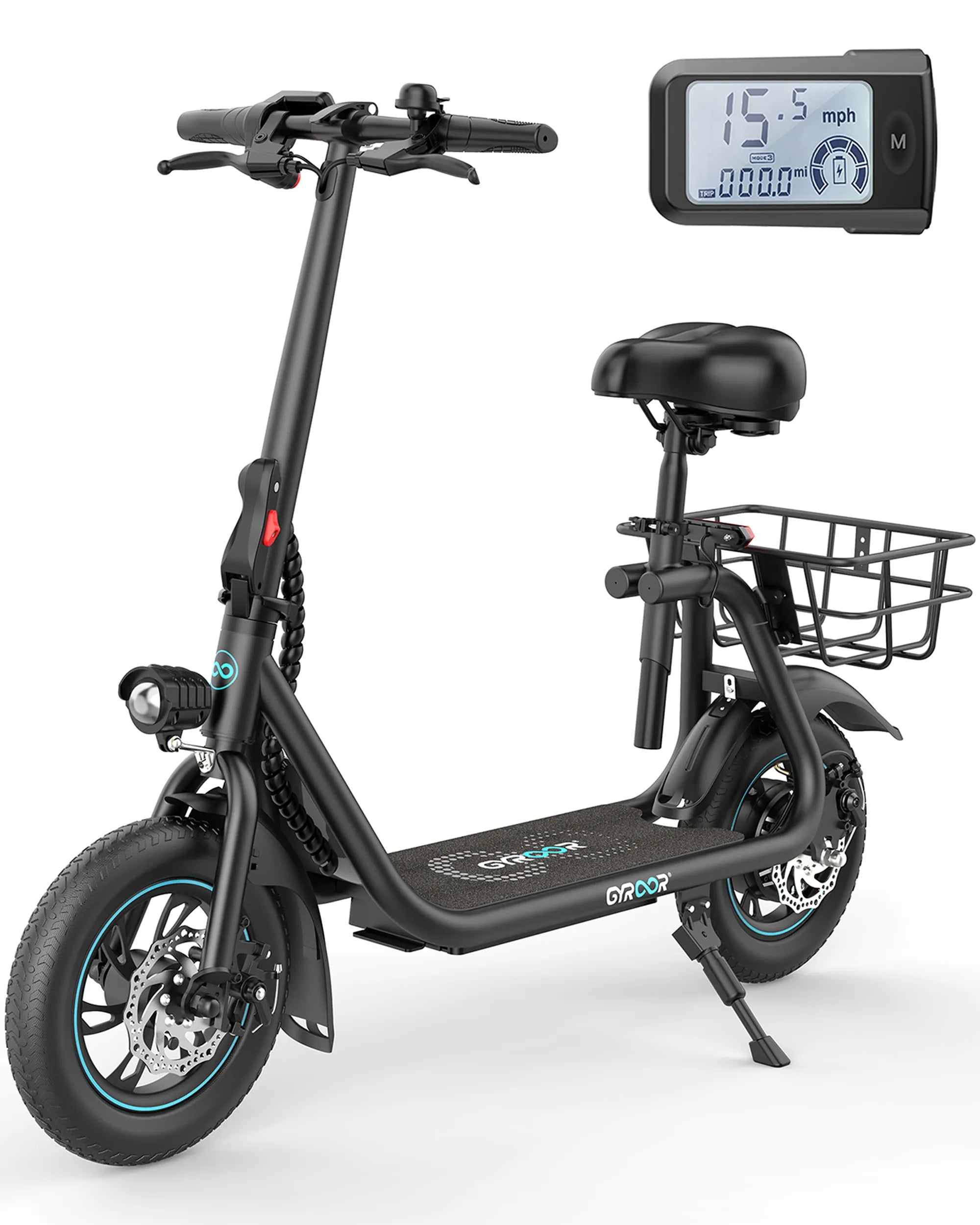
Introduction to Electric Scooters in Adelaide
Adelaide's urban landscape is undergoing a quiet revolution in personal mobility. With its characteristic flat terrain, extensive network of parklands, and a city layout designed for accessibility, the South Australian capital presents an ideal environment for electric scooters. This shift is not merely about adopting a new gadget; it's a practical response to growing congestion, rising transport costs, and a collective move towards sustainable living.
Electric Scooters Adelaide: The Ultimate Guide to Eco-Friendly Commuting is designed to navigate this transition. For residents, the daily grind from suburbs like Prospect, Unley, or Norwood into the CBD can be reimagined. The city's commitment to expanding its bike lane network and shared paths creates a supportive infrastructure for micro-mobility solutions that are efficient, economical, and enjoyable.
This guide will provide you with the local knowledge and technical understanding needed to make an informed decision. We will explore why Adelaide's geography and policies are uniquely suited to e-scooters, detail the critical features to look for, and demystify the legal landscape. You'll learn how an electric scooter can cut commute times, reduce your carbon footprint, and offer a new way to experience the City of Churches.
Beyond the daily commute, e-scooters unlock Adelaide for exploration—from the Linear Park trail to coastal paths and vibrant inner-city precincts. This represents a fundamental change in how we connect with our urban environment, prioritizing accessibility and sustainability over traditional, car-centric transport.
Why Adelaide is Perfect for E-Scooter Commuting
Adelaide's topography is a primary advantage for electric scooter riders. The city's famously flat metropolitan area, with only gentle inclines in foothill suburbs, means most commutes require minimal motor strain, maximizing battery range and ride comfort. This geographic gift reduces the need for excessively powerful motors, allowing for lighter, more portable models that are perfectly adequate for urban travel.
The city's infrastructure is increasingly micro-mobility friendly. Adelaide boasts over 1,000 km of shared-use paths and bike lanes, including flagship routes like the River Torrens Linear Park Trail, which connects the city to the sea. The CBD's grid layout, coupled with ongoing investments in cycling infrastructure, creates a navigable and relatively safe network for e-scooter riders to traverse without competing directly with high-speed traffic.
Climate plays a supportive role. Adelaide's Mediterranean climate, characterized by long stretches of sunny, dry weather, provides ideal riding conditions for much of the year. While summer heat and occasional winter rain are considerations, they are manageable with proper planning and scooter features like water resistance, which we will cover later.
Finally, economic and social trends align. With rising fuel costs, parking pressures in the CBD, and a growing cultural emphasis on sustainable living, electric scooters offer a compelling alternative. They bridge the 'last-mile' gap between home and public transport hubs like train stations or tram stops, making multi-modal journeys seamless and reducing reliance on private cars for short trips.
Key Features to Look for in an Adelaide-Ready E-Scooter
Selecting the right electric scooter for Adelaide requires matching specifications to local conditions. Not every model is created equal, and features that are essential for one city may be less critical here. This section breaks down the non-negotiable criteria to ensure your investment delivers reliable, safe, and enjoyable performance on Adelaide's streets and paths.
Motor Power & Hill Climbing Ability
While Adelaide is predominantly flat, capable hill climbing is still important. Inclines in suburbs like Burnside, along bridge approaches over the Torrens, or ramps in multi-story car parks demand adequate power. A minimum of a 350W continuous motor is recommended for adult riders. This provides enough torque to handle these common gradients without draining the battery excessively or forcing you to kick-push.
For those living in more undulating areas or seeking zippier acceleration, motors in the 500W to 800W range offer ample performance. It's crucial to distinguish between peak and continuous power ratings. A reliable brand will specify continuous power, which indicates sustained performance, not just short bursts. This ensures consistent capability on longer Adelaide commutes.
Battery Range & Real-World Testing
Advertised range is often an ideal-world figure. Real-world range is affected by rider weight, terrain, acceleration habits, and wind. For a typical Adelaide commute—say, 5-10km each way—a scooter with a manufacturer-claimed range of 25-30km provides a comfortable buffer. This allows for a round trip plus errands without range anxiety.
Look for models with high-quality, name-brand lithium-ion battery cells (like LG or Samsung) managed by a sophisticated Battery Management System (BMS). The BMS protects against overcharging, deep discharge, and overheating. Given Adelaide's warm summers, a scooter with a robust thermal management system offers added longevity and safety for the battery pack.
Build Quality, Tyres, and Suspension
Durability is paramount. Adelaide's paths, while generally good, can have uneven sections, cracks, or gravel patches. A scooter with a solid, aerospace-grade aluminum or reinforced steel frame can withstand daily use. Pay close attention to the folding mechanism; it should feel secure and wobble-free when locked in the riding position.
Tyres and suspension directly impact comfort. For Adelaide's mixed surfaces, 10-inch pneumatic (air-filled) tyres are an excellent choice. They absorb vibrations from rough pavement and provide better traction than solid tyres. If opting for solid or honeycomb tyres to avoid punctures, ensure the model includes a dual or front suspension system to compensate for the harsher ride.
Portability and Weight
Portability enhances utility. A foldable design is essential for combining your e-scooter with bus or train travel, or for storing it under a desk or in a compact apartment. Weight is a key factor here. Models between 15kg and 20kg offer a good balance between stability on the road and ease of carrying up a flight of stairs.
Consider the folded dimensions and whether the scooter has a locking latch to keep it compact when carried. A lighter scooter (closer to 15kg) is ideal for frequent multi-modal commuters, while a heavier model (up to 25kg) may offer greater range and power for dedicated point-to-point travel.
Safety and Legal Compliance Features
Safety is non-negotiable. Your scooter must have a bright front headlight (at least 200 lumens) and a rear brake light for visibility at dusk or dawn. Effective braking is critical; a combination of electronic (regenerative) braking and a mechanical disc or drum brake on the rear wheel provides reliable stopping power in all conditions.
A loud, electronic bell is a legal requirement and a courtesy to pedestrians on shared paths. Finally, ensure any model you consider complies with South Australian regulations: a maximum continuous power output of 500W (for use on roads and paths) and the ability to be speed-limited to 15 km/h on shared paths. A clear, intuitive display that shows speed and battery level is also a vital safety feature.
Navigating Adelaide's E-Scooter Rules and Best Routes
Riding responsibly ensures the long-term viability of electric scooters in our community. Understanding and adhering to local laws protects you, pedestrians, and other path users. Coupled with knowledge of Adelaide's best routes, this makes for a safe and supremely enjoyable riding experience.
Understanding South Australian E-Scooter Laws
The rules for privately owned e-scooters in South Australia are designed to integrate them safely into the transport mix. As of the latest guidelines, riders must be 16 or older. Helmets are mandatory for all riders. The electric scooter must have a maximum continuous rated power output not exceeding 500 watts for use on roads and paths.
On shared paths (like the Linear Park Trail), the speed limit is 15 km/h. On local roads with a speed limit of 50 km/h or less, you may ride at up to 25 km/h, but you must keep as far left as practicable. Riding on footpaths where they are not designated as shared paths is generally prohibited. It is the rider's responsibility to check for the latest updates from the South Australian government, as regulations can evolve.
Top Recommended Routes for Scenic & Efficient Commutes
Adelaide is blessed with routes that are both practical and beautiful. The River Torrens Linear Park Trail is the city's green artery. You can ride from the CBD at Elder Park, west through the suburbs to Henley Beach, or east into the foothills at Athelstone. It's almost entirely flat, separated from traffic, and offers stunning riverside scenery.
For a coastal commute or weekend exploration, the Glenelg to Henley Beach Coastal Path is unmatched. This paved path runs along the foreshore, offering sea views and fresh breezes. It's perfect for those living in western suburbs commuting to Glenelg or for a leisurely weekend ride. Within the CBD, the expanding network of bike lanes on streets like Flinders, Sturt, and Grote Street provides a relatively safe and direct grid for inner-city travel.
Why Choose a Gyroor E-Scooter for Adelaide?
With numerous options available, choosing a brand that prioritizes safety, durability, and rider support is crucial. Gyroor has emerged as a leader in personal electric mobility, with a design philosophy that aligns perfectly with the demands of Adelaide commuting. Trusted by over 100,000 riders, the brand's focus is on reliable engineering rather than fleeting trends.
Gyroor's product range includes models that directly address the key features outlined earlier. From commuter-focused scooters with optimal range to more powerful models for those seeking extra performance, there is a specification match for Adelaide's diverse riders. This commitment to building purpose-driven vehicles makes them a standout choice for navigating our city.
Unmatched Safety with UL-Certified Batteries
The battery is the heart of an electric scooter, and its safety is paramount. Every Gyroor model uses UL-certified battery packs. This independent certification means the battery has passed rigorous tests for electrical, mechanical, and environmental safety, including overcharge, short circuit, and crush tests. For Adelaide riders charging their scooters at home or in the office, this provides essential peace of mind.
These batteries are engineered for longevity, tested for 500+ charge cycles while maintaining significant capacity. This translates to years of reliable service for a daily commute, protecting your investment and ensuring consistent range. In an industry where battery quality can vary, this certification is a clear marker of a brand that prioritizes rider safety above all.
Built for Reliability: IPX5 Water Resistance & Durability
Adelaide's weather, while generally dry, can change quickly. An unexpected shower or riding on paths damp from sprinklers shouldn't end your ride or damage your scooter. Gyroor scooters are built with an IPX5 water-resistant rating. This means they can withstand water jets from any direction, making them fully capable of handling rain and wet road conditions.
This durability extends to the overall construction. High-tensile frames, secure folding mechanisms, and quality componentry are designed to withstand the vibrations and impacts of daily urban use. When you invest in a Gyroor, you're investing in a vehicle built for the long haul, ready to tackle your Adelaide commute day in and day out.
Confidence in Your Ride: The 1-Year Warranty & Support
A comprehensive warranty is a testament to a company's confidence in its products. Gyroor backs its electric scooters with a reliable 1-year warranty on the frame, motor, battery, and controller. This coverage ensures that Adelaide riders are protected against manufacturing defects, providing a significant safety net for what is a substantial purchase.
Beyond the warranty, accessible customer support is vital. Gyroor provides clear channels for assistance and maintains a library of resources for troubleshooting and maintenance. This support structure means you're never alone in resolving an issue, ensuring your e-scooter remains a dependable part of your daily routine in Adelaide.
Electric Scooters vs. Other Transport in Adelaide: A Cost & Time Analysis
To understand the true value of an electric scooter, a direct comparison with other common transport modes is revealing. Let's analyze a typical 7km one-way commute from Norwood to the Adelaide CBD, five days a week.
| Transport Mode | Avg. Time (One Way) | Weekly Cost (Approx.) | Annual Cost (Est.) | Convenience & Environmental Notes |
|---|---|---|---|---|
| Private Car | 15-30 min (with traffic/parking) | $60 (Fuel, CBD parking) | $3,120+ | High congestion, parking stress, direct CO2 emissions. |
| Public Transport (Bus/ Tram) | 25-35 min (incl. walk/wait) | $25 (Metrocard fare) | $1,300 | Fixed schedules, possible crowding, zero direct emissions. |
| Bicycle | 20-25 min | Negligible (maintenance) | $100 | Great exercise, weather-dependent, requires shower facilities. |
| Electric Scooter | 18-22 min | $0.50 (electricity) | $26 + scooter cost | Door-to-door, flexible, minimal parking, near-zero emissions. |
The data is compelling. While the upfront cost of a quality e-scooter (e.g., $800-$1500) is a factor, the annual operating cost is a fraction of driving or even public transport. The payback period compared to car ownership can be less than a year when parking is considered. The time savings over public transport come from the door-to-door efficiency and the ability to take direct routes not served by fixed lines.
Environmentally, an e-scooter charged on South Australia's increasingly renewable grid has an extremely small carbon footprint. It reduces traffic congestion and noise pollution, contributing to a more pleasant urban environment for everyone. This combination of personal economy, time efficiency, and environmental benefit makes a powerful case for the adoption of electric scooters in Adelaide.
Frequently Asked Questions (FAQs) for Adelaide Riders
Q: Do I need a license or registration to ride an e-scooter in Adelaide?
A: No. For privately owned e-scooters that comply with the power (max 500W continuous) and speed regulations, you do not need a driver's license, vehicle registration, or third-party insurance. However, riders must be at least 16 years old.
Q: Can I ride my e-scooter on the footpath?
A: Generally, no. Riding on a footpath is illegal unless it is specifically signposted as a shared path (commonly seen along parklands and major trails). Always give way to pedestrians and ride at a safe, controlled speed (max 15 km/h) on shared paths.
Q: How do I secure my e-scooter when parked in the city?
A> Use a high-quality, hardened steel D-lock or heavy-duty chain lock. Thread it through the scooter's frame (not just the stem) and secure it to a fixed, immovable object like a bike rack. If your model has a removable display or battery, take it with you. For longer stops, consider secure parking facilities.
Q: Where can I legally charge my e-scooter?
A> Always use the manufacturer-provided charger at a standard indoor power outlet. Do not use public USB ports or unattended outdoor outlets. Most quality e-scooters have removable batteries, allowing you to charge the battery pack indoors separately from the scooter frame for security and convenience.
Q: Are e-scooters allowed on Adelaide's public transport?
A> Policies vary. On Adelaide Metro trams and trains, folded e-scooters are generally permitted at the driver's discretion, provided they do not obstruct aisles or doorways. It is best to avoid peak hours. For buses, due to space constraints, it is less likely. Always check the latest Adelaide Metro conditions of travel before your journey.
Conclusion: Embracing a Smarter Commute in Adelaide
The evidence is clear: Adelaide's urban form, climate, and evolving infrastructure make it a premier city for electric scooter adoption. Moving from a car-centric commute to a personal electric vehicle represents more than just a change in vehicle; it's a step towards reclaiming time, reducing living costs, and actively participating in a more sustainable urban future. The analysis shows tangible benefits in time and money, while the experience offers an unparalleled connection to the city.
Choosing the right tool for this change is critical. Prioritizing safety certifications like UL-listed batteries, durability features like IPX5 water resistance, and the backing of a comprehensive warranty ensures your investment is protected and your rides are reliable. Understanding and respecting local laws ensures the safety and acceptance of all path users, securing the future of this mode of transport in our community.
Adelaide stands at the forefront of this micro-mobility shift. By integrating an electric scooter into your daily life, you are not only optimizing your own commute but also contributing to reduced traffic congestion, lower emissions, and a more vibrant, human-scale city. The journey towards a smarter, greener commute begins with a single, electrified ride.
Ready to transform your Adelaide commute? Explore the range of durable, safe, and high-performance electric scooters engineered for cities like ours. Browse the full Gyroor collection at gyroorboard.com and find the perfect model to start your eco-friendly commuting journey today.
Electric Scooters in Salem: The Future of Urban Mobility
Injuries from Electric Scooters: A Data-Driven Guide to Safer Riding