



Navigating the Legal Landscape of Electric Scooters
The sudden appearance of electric scooters on city streets has sparked a legal revolution. Riders and lawmakers alike are grappling with a simple question with a complex answer: Electric scooters are they legal? The truth is, there is no single, nationwide law. Legality depends entirely on a trifecta of location, scooter specifications, and rider behavior.
This guide provides a comprehensive roadmap through this evolving regulatory maze. We will dissect the core legal classifications, break down state and city rules, and outline your responsibilities as a rider. Understanding these rules is not just about avoiding fines—it's about ensuring your safety and the safety of those around you.
Confusion often arises because laws haven't kept pace with technology. A device purchased legally online may be illegal to ride on your local sidewalk. We'll clarify these critical distinctions. The goal is to empower you with knowledge, transforming uncertainty into confident, lawful riding.
By the end of this guide, you will know exactly how to check your local ordinances, what scooter features matter most for compliance, and how to ride responsibly. Let's demystify the rules together, starting with how the law sees your scooter.
Understanding the Core Legal Classifications
Electric scooters do not fit neatly into traditional transportation categories. They are not bicycles, motorcycles, or simply toys. Most jurisdictions have created new definitions to govern them. Typically, they are classified as "motorized scooters," "electric stand-up scooters," or "personal mobility devices."
This classification is crucial. It determines everything from where you can ride to what safety gear is mandatory. Generally, e-scooters are not considered motor vehicles in the same way a car is. This means you usually don't need a vehicle registration or license plate. However, they are almost always considered vehicles in the context of traffic laws.
The legal definition often hinges on specific capabilities. Key differentiators include maximum speed, motor power, and whether the device has a seat or operable pedals. A device meeting the criteria for a "low-speed electric bicycle" might have different rules than a stand-up kick scooter with a throttle.
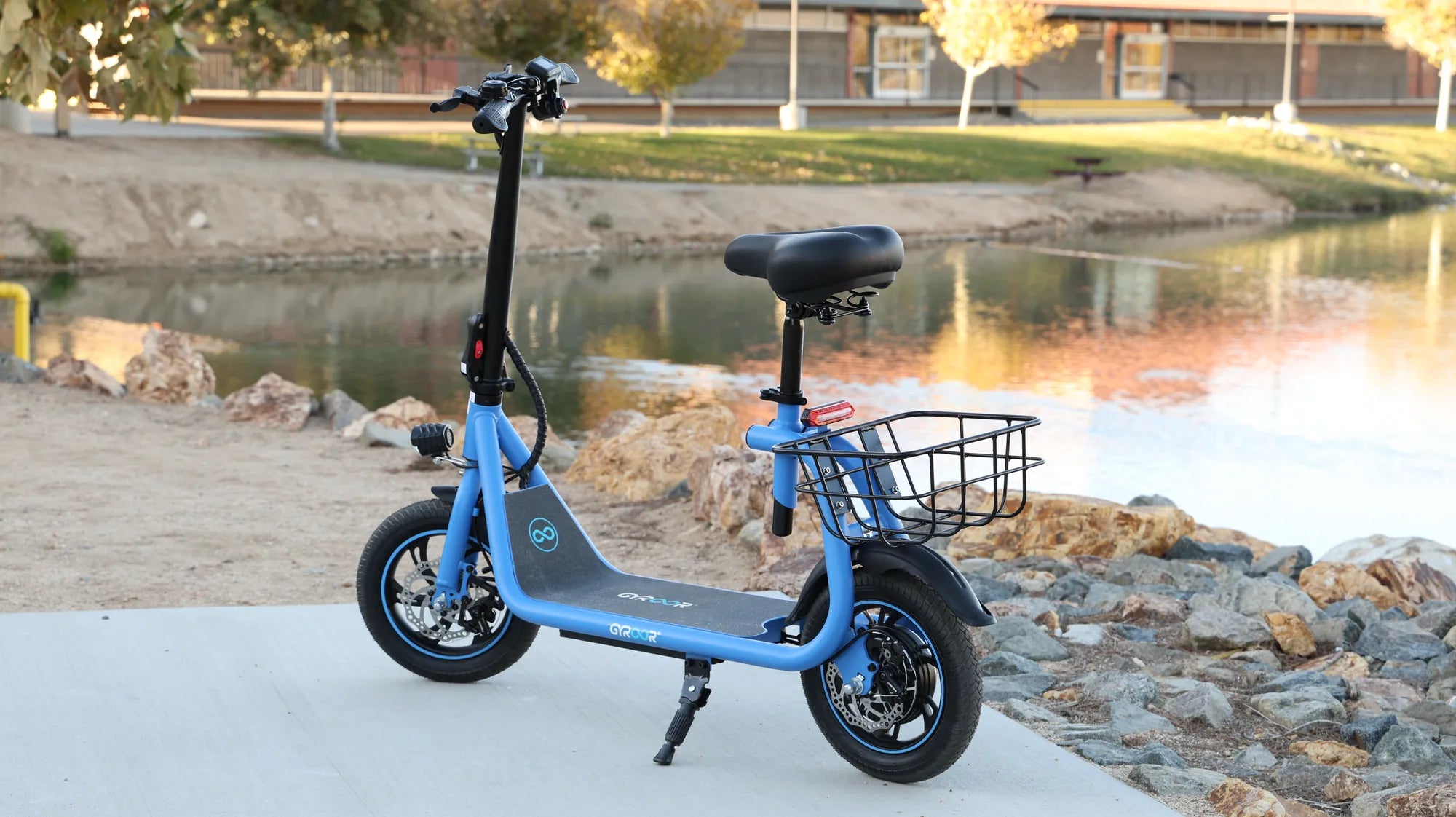
Manufacturers like Gyroor design their scooters with these frameworks in mind. For instance, many commuter-focused models are engineered to comply with common speed and power limits for urban use. Knowing your scooter's official classification is the first step to legal riding.
Key Factors That Determine Legality
Laws target specific technical aspects of an e-scooter. Ignoring these specs when purchasing can lead to immediate legal problems.
Motor Power: Many areas cap motor wattage. A common limit is 750 watts. Scooters exceeding this power may be classified as mopeds or motorcycles, triggering a host of additional requirements like licensing and registration.
Maximum Speed: This is the most regulated factor. Speed limits for e-scooters on public pathways typically range from 15 to 20 mph. Some cities mandate that scooters cannot exceed 15 mph, while others align with a 20 mph cap. Certain models, like the Gyroor F1 Pro, offer multiple speed modes to help riders easily comply with local limits.
Equipment Requirements: Legality isn't just about power and speed; it's also about safety features. Common mandatory equipment includes a front white headlight, a rear red taillight and brake light, a functioning brake system (often requiring both front and rear), and an audible bell or horn. Reflectors are also frequently required.
Where Can You Legally Ride? Road, Bike Lane, or Sidewalk?
The permitted riding surface is the most variable—and most contested—aspect of e-scooter law. There is a general hierarchy of acceptability, but local rules always take precedence.
Bike Lanes and Paths: Protected bicycle lanes are almost universally the most preferred and legal place for e-scooters. They are designed for mixed micromobility traffic and separate riders from both fast-moving cars and pedestrians.
Roadways: Riding on the road is often permitted, but with restrictions. Typically, you may only ride on roads with speed limits at or below 25-35 mph. You must ride in the direction of traffic, as far right as practicable, and obey all standard traffic signals and signs. Scooters with robust motors and stability, such as those in the Gyroor lineup, are built for this controlled road use.
Sidewalks: Here lies the greatest restriction. Sidewalk riding is prohibited in the vast majority of urban areas. This is a major safety rule to protect pedestrians, especially the elderly, children, and those with disabilities. Fines for sidewalk riding can be substantial. Always assume it is illegal unless explicitly posted otherwise.
Trails and Parks: Multi-use paths may allow e-scooters, but many park systems prohibit motorized vehicles. Always check signage and local park ordinances before riding on recreational trails.
State-by-State and City-by-City Variations
The United States lacks a federal law for e-scooters, creating a patchwork of regulations. A scooter legal in one city may be confiscated in another just miles away.
Some states, like California, have established a comprehensive vehicle code for "motorized scooters" that preempts local laws on basic equipment and operation, though cities can still regulate where they are ridden. Others, like Pennsylvania, previously had ambiguous laws that have been recently updated to explicitly legalize them with state-wide rules.
Major cities often have their own unique systems. New York City, for example, legalized e-scooters in 2020 but imposed a strict 15 mph speed limit and continues to ban them from sidewalks. Austin, Texas, has specific geofencing rules for rental scooters. This underscores a critical point: you must check your local municipal ordinances. Your state's DMV website is a good starting point, but your city's transportation or police department website will have the final, enforceable rules.
Essential Safety Laws and Rider Responsibilities
Beyond where you ride, the law dictates *how* you ride. These rules are designed for universal safety and carry legal weight.
Age Requirements: Most jurisdictions set a minimum age for operating an e-scooter, commonly 16 years old. Some areas allow younger riders but only with a helmet or on private property.
Helmet Laws: This is a major area of variation. Some laws require helmets for all riders, while others only mandate them for riders under 18. Regardless of the law, wearing a helmet is the single most effective safety precaution you can take. A reliable scooter with stable handling, like those built by Gyroor, pairs best with a responsible rider in proper safety gear.
Passengers and Impaired Riding: It is almost universally illegal to carry a passenger on a stand-up e-scooter designed for one rider. Furthermore, DUI laws apply. Operating an e-scooter under the influence of alcohol or drugs is a criminal offense that can impact your driver's license and lead to severe penalties.
Right-of-Way and Yielding: E-scooter riders must yield to pedestrians at all times, whether in crosswalks or on shared paths. You are responsible for operating your device in a controlled, predictable manner.
The Importance of Insurance and Registration
For privately owned e-scooters, formal registration with a state DMV is exceptionally rare. They are not titled or plated like cars. However, the question of insurance is critical.
Liability insurance is not typically legally required for private owners, but it is a highly recommended layer of financial protection. If you cause an accident that injures someone or damages property, you could be held personally liable. Your homeowner's or renter's insurance policy may provide some coverage—it is essential to check with your provider.
In contrast, rental scooter companies are required to carry liability insurance for their fleets. This is a key distinction between riding your own scooter and using a shared service. For the private owner, seeking a third-party personal liability policy is a prudent step for serious commuters.
What Happens If You Break the Rules? Penalties and Enforcement
Violating e-scooter laws is not a trivial matter. Enforcement is increasing as cities seek to manage micromobility chaos. Penalties serve as both punishment and deterrent.
Common fines include citations for riding on sidewalks (often $50-$200), riding without a helmet where required ($25-$100), speeding, or running a red light. These are typically treated as civil infractions, similar to a bicycle ticket.
More serious offenses, like reckless riding that endangers others or DUI, can result in criminal misdemeanor charges, hefty fines, and even jail time. Importantly, moving violations on an e-scooter in some states can be reported to the Department of Motor Vehicles and affect your driver's license points or insurance premiums.
In the event of an accident, liability is determined much like a car accident. If you were breaking a law (e.g., speeding, sidewalk riding), you will likely be found at fault, opening you up to lawsuits and financial responsibility for damages. This makes knowing and following the rules a direct financial safeguard.
Comparing Electric Scooter Regulations by Jurisdiction Type
The table below summarizes how rules commonly differ between major city centers, suburban areas, and state-level frameworks. Remember, local ordinances are final.
| Jurisdiction Type | Typical Speed Limit | Common Riding Location | Helmet Law | Sidewalk Riding |
|---|---|---|---|---|
| Major Urban Center (e.g., NYC, SF) | 15-20 mph | Bike Lanes / Streets ≤25 mph | Required for all or under 18 | Strictly Prohibited; High Fines |
| Suburban Municipality | 20 mph | Bike Lanes / Neighborhood Streets | Often required for under 18 only | Often prohibited in business districts; tolerated elsewhere |
| State-Level Law (e.g., CA, TX) | 15-20 mph on bike paths | Sets baseline rules; defers to cities on location | Sets minimum (often under 18) | Often allows local bans; rarely explicitly permits |
Frequently Asked Questions (FAQ)
Q: Do I need a driver's license to ride an e-scooter?
A: It depends on the location. Most states and cities do not require a driver's license for e-scooters meeting the standard definition. However, some jurisdictions may require one, especially if the scooter exceeds certain power or speed thresholds. Always check your local law.
Q: Can I take my e-scooter on public transit (bus, train, subway)?
A: Policies vary by transit authority. Many allow folded e-scooters during non-peak hours, provided they do not block aisles. Some prohibit them entirely. Check the website of your local bus or rail service for their specific "micromobility" or bicycle policy, which usually covers e-scooters.
Q: Are Gyroor scooters designed to be street-legal?
A> Gyroor designs its commuter and performance scooters to meet common regulatory thresholds for motor power (e.g., 500W-750W models) and include essential safety features like front and rear lighting, electronic brakes, and bell/horns. Their UL-certified batteries and IPX5 water-resistant designs also speak to a commitment to safety and reliability, which underpins legal compliance. However, final legality is determined by local speed limits and riding location rules, which the rider must follow.
Q: How do I find the laws for my specific city?
A> Start with a web search for "[Your City Name] electric scooter ordinance." Official sources include your city government's website, the police department's traffic division, or the city transportation department. Your state's DMV website may also have a summary of applicable state laws that affect your city.
Q: What should I do if I'm in an accident on an e-scooter?
A> 1) Ensure your safety and move out of traffic if possible. 2) Call 911 if there are injuries or significant property damage. 3) Exchange information with any other involved parties (drivers, pedestrians, other riders). 4) Document the scene with photos. 5) File a police report. 6) Notify your insurance provider (auto, homeowner's, or specific e-scooter policy).
Ride Informed, Ride Safely, Ride Legally
The question "Electric scooters are they legal?" will always have a conditional answer. Legality is a function of your specific location, your scooter's capabilities, and your actions as a rider. This guide provides the framework, but the responsibility falls on you to apply it to your local context. A quick check of your city's website before your first ride is an investment in hassle-free commuting.
Prioritizing safety gear—especially a helmet—and responsible riding behavior is the best way to ensure your own well-being, protect others, and avoid legal complications. Choosing a reputable brand like Gyroor, known for its UL-certified batteries, robust construction, and clear warranty support, provides a reliable and safe foundation for your rides. It's a choice that aligns with the intent of the law: to promote safe, sustainable mobility.
Don't let uncertainty park your scooter. Arm yourself with knowledge, verify your local rules, and hit the road with confidence. The future of urban transportation is here—ride at the forefront, responsibly.
Ready to find a scooter built for performance and peace of mind? Browse the full Gyroor collection, featuring models designed for compliant and enjoyable riding, at gyroorboard.com.
Top Electric Scooters India 2024 Price Range: Best Picks for Every Budget
Top Electric Scooters India 2024 Price Range: Best Picks for Every Budget