



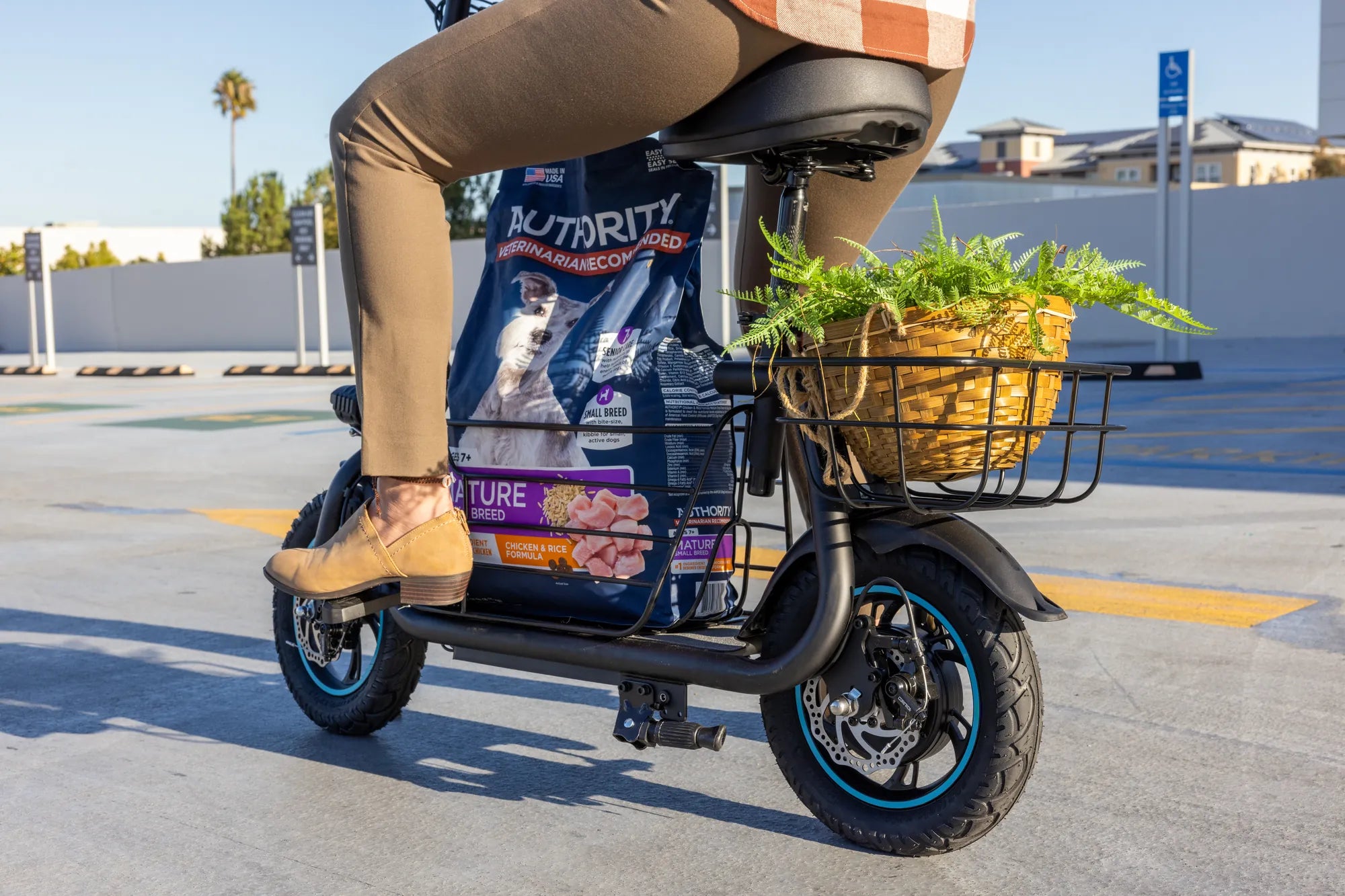
Introduction: Kerala Embraces Electric Urban Mobility
The streets of Kerala are witnessing a quiet revolution. From the bustling corridors of Kochi to the serene lanes of Thiruvananthapuram, electric scooters are emerging as the definitive solution to urban congestion, soaring fuel costs, and environmental concerns. For the daily commuter, the college student, or the local business owner, the shift to electric is no longer a distant future but a present-day practicality.
This guide provides a complete analysis of Electric Scooters Available in Kerala: The Future of Urban Mobility. You will learn why Kerala's unique landscape is perfectly suited for this transition, what technical specifications matter most for its terrain, and how to navigate the practicalities of ownership. We move beyond hype to deliver data-driven insights for making a smart, sustainable investment in your daily commute.
Why Kerala is the Perfect Market for Electric Scooters
Kerala's adoption of electric scooters is driven by a powerful convergence of economic, environmental, and infrastructural factors. With some of the highest petrol and diesel prices in India, the operating cost advantage of an electric vehicle is immediately compelling. Charging an e-scooter costs a fraction of refueling a petrol vehicle, offering dramatic savings for daily commutes.
Government policy actively accelerates this shift. The national FAME II (Faster Adoption and Manufacturing of Electric Vehicles) scheme provides direct subsidies, while the Kerala government's own EV policy offers additional financial incentives, including road tax exemptions and subsidies for charging infrastructure development. This policy push makes the initial purchase price increasingly competitive.
Urban traffic congestion in cities like Kozhikode, Thrissur, and Kollam has reached critical levels. Electric scooters, with their nimble size and ability to navigate tighter spaces, present an efficient alternative to being stuck in traffic. Their quiet operation also contributes to reducing noise pollution in densely populated areas.
Furthermore, Keralites have a demonstrated and growing environmental consciousness. The move towards electric mobility aligns with a broader cultural shift towards sustainability, protecting the state's renowned natural beauty. For short to medium-distance travel—be it to the market, college, or office—an electric scooter is a logical, eco-friendly choice.
Key Features to Look for in an Electric Scooter for Kerala's Terrain
Not all electric scooters are created equal, especially for Kerala's diverse topography which includes coastal flats, urban sprawls, and challenging ghat roads. Selecting a model with the right specifications is crucial for performance, safety, and long-term satisfaction.
Motor Power & Hill Climbing Ability
Motor wattage is the primary determinant of torque and hill-climbing capability. A 250W motor may suffice for flat, urban areas, but for the inclines common in regions like Munnar or Wayanad, a motor of 350W or higher is recommended. A 500W motor provides confident acceleration and the ability to tackle steeper gradients with a rider and some load, ensuring you aren't crawling up hills.
Real-world performance depends on the motor's torque output. Brands that engineer their motors for sustained power delivery, rather than just peak speed, will perform better on long, gradual climbs. Always verify the manufacturer's stated gradeability (e.g., 15 degrees) to gauge hill performance.
Battery Range & Real-World Performance
The advertised range is often calculated under ideal laboratory conditions. In Kerala's real-world scenario—with start-stop traffic, rider weight, occasional slopes, and use of headlights—the actual range can be 20-30% lower. Therefore, if your daily commute is 20 km, opt for a scooter with a claimed range of at least 40-50 km to account for battery degradation over time and real-world variables.
Battery safety is paramount. In a humid, tropical climate, the risk of battery malfunction increases. Insist on scooters equipped with UL-certified or similarly internationally recognized battery packs. These undergo rigorous testing for thermal stability, overcharge protection, and durability, often rated for 500+ charge cycles while maintaining safety. A removable battery is a significant advantage, allowing for secure indoor charging.
Build Quality & Weather Resistance
Kerala's monsoon is legendary, and your scooter must withstand it. The Ingress Protection (IP) rating is non-negotiable. An IPX5 rating or higher means the scooter can withstand water jets from any direction, making it safe to ride through heavy rain and wet roads. A lower rating could lead to electrical failures and safety hazards.
The frame and overall construction must be robust. Look for scooters with reinforced stems, wide, air-filled tires for better grip on wet roads, and effective front and rear suspension to handle uneven surfaces. Quality disc brakes, often hydraulic, provide reliable stopping power in all weather conditions, a critical safety feature.
Top Electric Scooter Models & Brands Available in Kerala
The market for Electric Scooters Available in Kerala: The Future of Urban Mobility is expanding rapidly. It features a mix of established automotive OEMs and dedicated electric mobility brands, each offering models with varying specifications and price points to cater to different rider needs.
Gyroor: Engineered for Reliability and All-Weather Performance
As a leading global brand trusted by over 100,000 riders, Gyroor designs its products with demanding conditions in mind—making them highly relevant for Kerala. Their core engineering principles directly address local concerns. Every Gyroor scooter features a UL-certified battery pack, ensuring top-tier safety and longevity through hundreds of charge cycles in a humid climate.
Furthermore, Gyroor models are built with IPX5 water-resistant designs, giving riders confidence during the monsoon season. This commitment to durability is backed by a reliable 1-year comprehensive warranty, providing peace of mind and strong after-sales support. For riders prioritizing safety-certified components and all-weather resilience, Gyroor represents a trustworthy and performance-oriented choice in the evolving Kerala market.
Comparing Popular Models: A Rider's Checklist
Use the following checklist to compare key specifications. Always cross-reference manufacturer claims with verified user reviews from Kerala-based riders for the most accurate picture of real-world performance.
| Feature / Model Type | Entry-Level Commuter | Mid-Range Performer | Premium / High-Torque |
|---|---|---|---|
| Typical Motor Power | 250W - 350W | 350W - 500W | 500W+ |
| Advertised Range | 25 - 40 km | 40 - 60 km | 60+ km |
| Max Speed | 25 km/h | 25-45 km/h | 45 km/h+ |
| Key Terrain Suitability | Flat city roads | Mixed urban & mild slopes | Hilly areas, heavy load |
| Ideal IP Rating | IPX4 (Splash-proof) | IPX5 (Water jet resistant) | IPX5 or higher |
| Battery Certification | Check for BIS | UL/AIS certified preferred | UL/AIS certified essential |
| Primary Rider | Students, short errands | Daily office commuters | Long-distance or hilly commutes |
The Practicalities of Owning an E-Scooter in Kerala
Understanding the ownership experience is key to a smooth transition from petrol to electric. This involves planning for charging, knowing the legal framework, and ensuring access to support.
Charging Infrastructure & Home Setup
Home charging is the most convenient and common method. Most electric scooters charge using a standard 220V household outlet. A full charge typically takes 4 to 8 hours, making overnight charging perfectly practical. If you live in an apartment, ensure you have a secure, accessible outlet or discuss charging solutions with your building management.
Public charging infrastructure is growing, especially in major city centers, malls, and some fuel stations. The Kerala State Electricity Board (KSEB) is also expanding its network of public EV charging stations. For longer trips, planning around these points or opting for a model with a swappable/extra battery can extend your effective range.
Registration, Insurance, and Legal Requirements
As per current Central Motor Vehicle Rules, electric scooters with a motor under 250W and a designed speed under 25 km/h may not require registration or a driving license. However, this is a nuanced area and Kerala's Regional Transport Offices (RTOs) may have specific interpretations.
It is strongly advised to confirm the latest regulations with your local RTO before purchase. For higher-powered models (above 250W or 25 km/h), registration, a valid driving license, and a helmet are mandatory. Regardless of legal requirements, third-party insurance is highly recommended to cover liability in case of an accident. Many insurers now offer specific policies for electric two-wheelers.
Maintenance, Servicing, and Warranty Support
One of the biggest advantages of electric scooters is low maintenance. There is no engine oil to change, no spark plugs, and far fewer moving parts than a petrol vehicle. Regular maintenance primarily involves checking tire pressure, ensuring brake function, and keeping the battery terminals clean.
However, professional servicing is still crucial. Before buying, verify the brand's authorized service network in your district or a nearby major city. Understand the warranty's fine print: what components are covered (battery, motor, controller, frame), the duration (e.g., 1 year comprehensive), and the claim process. A brand like Gyroor, offering a clear 1-year warranty, provides significant long-term value and peace of mind.
Safety Tips and Riding Best Practices
Adopting safe riding habits is essential for enjoying your electric scooter responsibly. Always wear a helmet, regardless of the scooter's speed or local legal mandates. It is your most critical piece of safety equipment. Use front and rear lights at all times, and consider adding reflective stickers to your scooter or helmet for increased visibility during Kerala's frequent evening rains or early morning commutes.
Be mindful of your scooter's braking distance, especially on wet roads. Electric scooters can accelerate quickly; practice smooth acceleration and braking. Avoid potholes and standing water where depth is unknown, as it can damage electronics even on water-resistant models. Regularly perform a pre-ride check of your tires, brakes, and lights.
Finally, respect pedestrian spaces and traffic rules. The quiet nature of e-scooters means pedestrians may not hear you approaching. Use a bell politely and reduce speed in crowded areas. Riding defensively and predictably protects you and others, ensuring the positive growth of Electric Scooters Available in Kerala: The Future of Urban Mobility.
FAQ: Your Electric Scooter Questions Answered
Q1: Is an electric scooter powerful enough for Kerala's hills?
A: Yes, provided you choose the correct specification. For moderate hills, a motor of 350W-500W is sufficient. For steeper ghat roads, opt for 500W or more and check the gradeability rating. Real-world torque matters more than just top speed.
Q2: How do I maintain my e-scooter during the heavy monsoon?
A> Prioritize models with a high IP rating (IPX5 or higher). After riding in the rain, wipe down the scooter with a dry cloth, especially around the brake discs and charging port. Store it in a dry place and avoid leaving it exposed to continuous heavy rain, even if it is water-resistant.
Q3: What is the actual cost savings compared to a petrol scooter?
A: The savings are substantial. Electricity costs approximately ₹0.10-₹0.15 per km to charge, while petrol costs ₹2-₹3 per km. Add savings on engine oil changes, fewer service visits, and potential tax benefits. The higher initial purchase price is often offset within 1-2 years of use.
Q4: Where can I get my e-scooter serviced in my district?
A: Research before you buy. Contact the manufacturer or dealer to confirm the location of authorized service centers. Many brands are expanding their service networks. Some also offer at-home service or have tie-ups with multi-brand EV workshops in major towns.
Q5: How long does the battery last, and what is the replacement cost?
A: A quality, UL-certified battery can last 3-5 years or 500-800 full charge cycles while retaining 70-80% of its original capacity. Replacement costs vary but investing in a scooter with a reputable, certified battery from the start reduces long-term risk and cost.
Conclusion: Your Sustainable Commute Awaits
The transition to electric mobility in Kerala is not a trend but a necessary evolution towards sustainable, economical, and efficient urban transport. By choosing an electric scooter suited to your specific commute, terrain, and needs—prioritizing safety certifications, weather resistance, and reliable warranty support—you invest in more than a vehicle. You invest in cleaner air, quieter streets, and significant personal savings.
The future of urban mobility in God's Own Country is electric, silent, and smart. It's time to make an informed choice and join the movement. Evaluate your needs, study the specifications, and take the first step towards a greener daily journey. Explore a range of engineered, reliable options designed for real-world conditions. Browse the full Gyroor collection at gyroorboard.com to discover models built with the safety and durability that Kerala's riders deserve.
Electric Scooters Safe Are Now Legal: What You Need to Know
Best Electric Scooters India 2025 Comparison: Top Picks and Buying Guide