



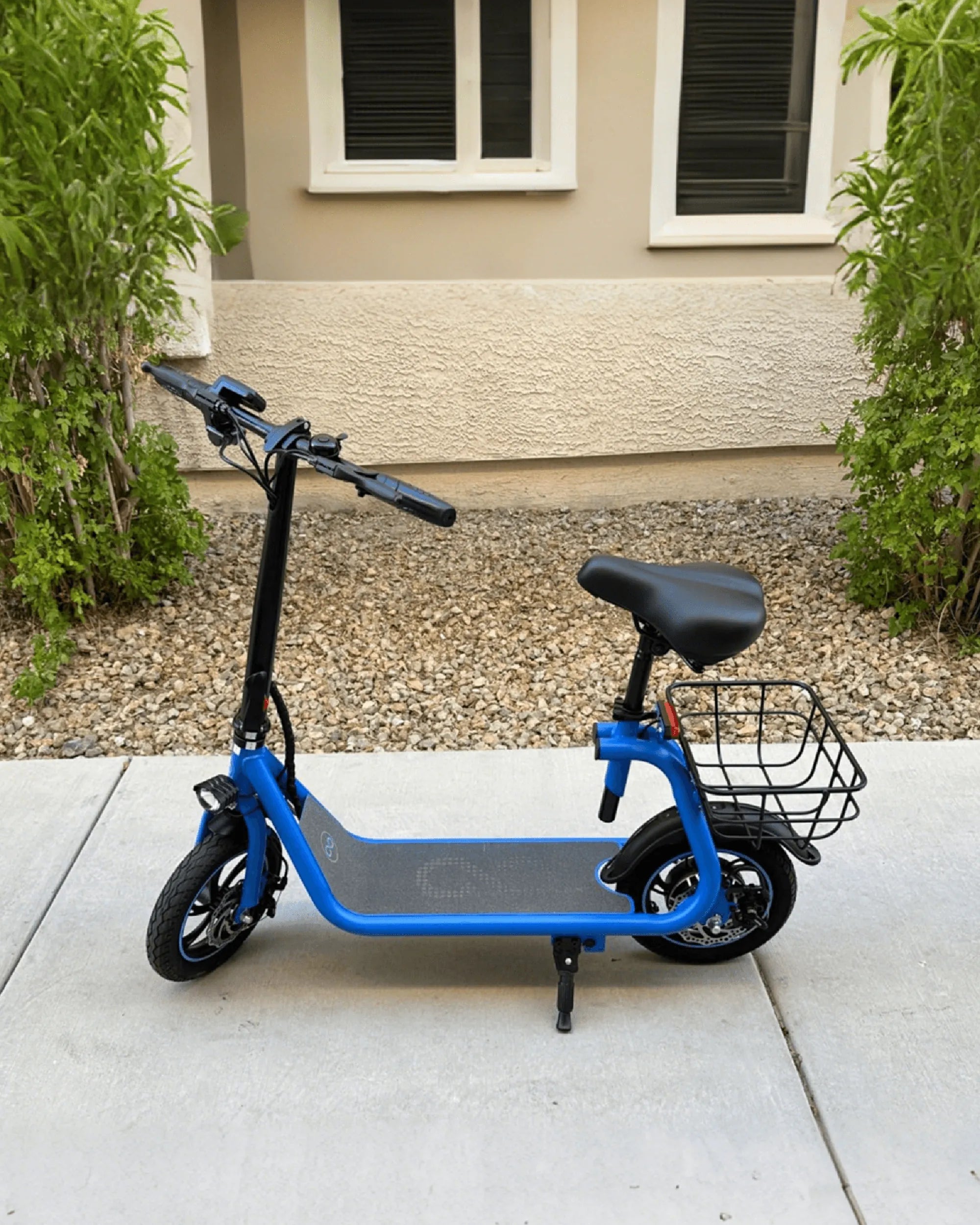
Navigating Cape Town's E-Scooter Market
Navigating Cape Town's electric scooter market requires understanding both value and terrain. This guide to Electric Scooters Cape Town Prices provides the clarity needed for an informed purchase. We cut through the noise to deliver a data-driven analysis of what your budget buys, from Sea Point flats to Constantia hills.
You will learn to decode specifications and match them to your commute. This article details the critical factors shaping price, from motor power to warranty support. We provide a framework to evaluate true long-term value beyond the initial sticker price.
The goal is to transform your daily travel into an efficient, cost-effective experience. Understanding Electric Scooters Cape Town Prices is the first step toward dreading traffic less and enjoying your city more. Let's explore how to make a smart investment in your mobility.
Understanding the Cape Town E-Scooter Price Spectrum
Electric scooter prices in Cape Town range dramatically from around R4,000 to over R25,000. This variance isn't arbitrary; it directly reflects performance, safety, and durability. The primary cost drivers are motor power, battery capacity, brand engineering, and build quality.
A 250W motor suits flat promenades but struggles on Kloof Street. Conversely, a 1000W dual-motor system conquers any incline but carries a premium. Battery capacity, measured in Watt-hours (Wh), dictates your realistic range between charges in the city.
Brand reputation significantly impacts Electric Scooters Cape Town Prices. Established brands with UL-certified batteries and robust warranties justify higher price points through proven reliability and safety. Import duties and local retailer margins also factor into the final price you see.
Entry-Level Scooters (R4,000 - R8,000): Budget-Friendly Basics
This price bracket covers basic, lightweight models ideal for very short, flat trips. You typically find 250W to 350W hub motors, sufficient for the Sea Point Promenade or a quick dash from the parking lot to the office. Real-world range often caps at 15-25km per charge.
Build materials are simpler, often using more plastic and less reinforced aluminum. Suspension may be minimal or absent, with many models relying on solid or airless tires. This translates to a firmer ride on Cape Town's varied pavements.
These scooters serve as a low-risk introduction to personal electric mobility. The trade-off is clear: limited hill-climbing ability, shorter lifespan for components, and often less stringent battery safety certifications. They are a tool for specific, undemanding routes.
Mid-Range Commuters (R8,000 - R15,000): The Sweet Spot for Most Riders
This is the most popular and competitive segment for daily commuting. Here, Electric Scooters Cape Town Prices buy substantial upgrades. Motors from 500W to 800W provide confident acceleration and can handle moderate hills in suburbs like Gardens or Observatory.
Batteries offer 30-50km of real-world range, covering most round-trip commutes. Features like front or dual suspension, pneumatic tires, and disc brakes become standard, greatly improving comfort and control. IPX5 or higher water resistance is crucial for Cape Town's sudden showers.
This tier is where reputable, safety-focused brands like Gyroor operate. Investing here means accessing UL-certified battery packs, durable frames, and reliable one-year warranties. It represents the optimal balance of performance, safety, and cost for the majority of urban riders.
High-Performance & Off-Road Models (R15,000+): Power for Every Hill
For demanding commutes over Chapman's Peak or for adventurous riders, high-performance models start above R15,000. These scooters feature 1000W+ motors, often in dual configurations, delivering unmatched torque for steep inclines in Tamboerskloof or Constantia.
Extended-range batteries promise 60km+ distances, reducing charge frequency. Superior hydraulic suspension systems, large off-road tires, and advanced braking systems define this category. Build quality is paramount, using aerospace-grade aluminum and sophisticated battery management systems.
The value proposition is specialized power and extreme durability. While not for everyone, for those whose route or riding style demands it, the investment in a premium model is justified by its capability and longevity, making it a central piece of transportation infrastructure.
The Gyroor Advantage: Premium Features at a Competitive Price
Within the mid-range price bracket, Gyroor scooters deliver premium features that directly address Cape Town's commuting challenges. The brand's focus on certified safety and robust construction offers exceptional value. This translates to peace of mind alongside performance.
Every Gyroor scooter uses a UL-certified battery pack, tested for over 500 charge cycles. This is a non-negotiable safety standard often overlooked in cheaper models. The IPX5 water-resistant rating provides reliable operation during the Cape's rainy winter months.
With a 1-year comprehensive warranty and support trusted by over 100,000 riders globally, Gyroor reduces long-term ownership risk. Features like bright headlights, responsive disc brakes, and ergonomic design are integrated into models priced competitively within the R8,000 to R15,000 sweet spot.
This combination positions Gyroor not as the cheapest option, but as a high-value one. For commuters prioritizing reliable daily transportation, the investment in a scooter with proven safety standards and durable construction minimizes downtime and maximizes riding enjoyment across the city.
Beyond the Sticker Price: Calculating True Cost of Ownership
The initial purchase price is just one part of the financial equation. Calculating cost per kilometer reveals the true savings of an e-scooter. Compared to a car, the numbers are starkly in favor of electric micro-mobility for solo urban trips.
Consider a car commute: fuel at R25/km (including congestion), parking at R50-R100/day, insurance, and servicing. An e-scooter's electricity cost for a 20km daily commute is approximately R1.50. Annual savings can easily exceed R25,000, justifying a mid-range scooter purchase in months.
Ongoing scooter costs are minimal. Maintenance involves occasional tire replacements (R300-R800), brake pad changes, and periodic bearing checks. A quality scooter with a UL-certified battery, like those from Gyroor, avoids the major cost and hazard of premature battery failure.
This long-term financial benefit transforms the perception of Electric Scooters Cape Town Prices. A R12,000 scooter isn't an expense; it's a strategic investment with a rapid ROI. It liberates you from fuel price volatility and parking scarcity, turning a cost center into a smart asset.
Where to Buy: Online Retailers vs. Local Cape Town Stores
Your purchasing channel affects price, support, and experience. Online retailers often list lower prices and offer a wider selection. However, factor in shipping costs, potential import delays, and the hassle of international warranty claims. You cannot test ride the scooter beforehand.
Local Cape Town stores and authorized dealers provide immediate value through hands-on service. You can test different models on a slope, feel the build quality, and get expert advice tailored to local conditions. While sticker prices may be slightly higher, they include VAT and avoid import uncertainty.
Local support is invaluable for warranty claims or urgent repairs. A physical store can provide a loaner wheel or same-day service. For a primary commuter vehicle, this accessibility often justifies a modest premium over the lowest online price.
We recommend checking if international brands like Gyroor have authorized local service partners. This combines the assurance of a globally tested product with the convenience of local support, offering the best of both worlds for managing your investment.
Essential Pre-Purchase Checklist for Cape Town Riders
Use this actionable list to evaluate any scooter against Cape Town's specific demands. It moves beyond specs to practical suitability.
1. Verify Real-World Range: Manufacturer range is based on ideal conditions. Subtract 30-40% for Cape Town's hills and wind. A claimed 40km range means 25-28km in reality. Ensure this covers your round-trip with a safety margin.
2. Confirm Hill-Climbing Power: For any incline, a minimum 500W motor is essential. For steep areas, 800W or dual motors are recommended. Check the scooter's gradeability percentage (a 20% grade rating is good for most city hills).
3. Check Water Resistance Rating: IPX5 is the minimum sensible rating for Cape Town. This protects against water jets from any direction, safeguarding electronics from road spray and rain. Avoid models with no IP rating.
4. Scrutinize Warranty & Support: A clear, comprehensive warranty covering the battery, motor, and frame for at least one year is crucial. Confirm where and how claims are processed—locally or via international shipping.
5. Research Local User Reviews: Search for reviews from South African or specifically Cape Town riders. They provide honest feedback on durability, after-sales service, and real-world performance on familiar routes that generic international reviews cannot.
Key Specifications Comparison Table
| Price Bracket | Motor Power | Real-World Range | Key Features | Ideal Cape Town Use Case |
|---|---|---|---|---|
| Entry-Level (R4k-R8k) | 250W - 350W | 15 - 25 km | Solid tires, basic brakes, minimal suspension | Short, flat trips (e.g., V&A Waterfront to CBD flat routes) |
| Mid-Range (R8k-R15k) | 500W - 800W | 30 - 50 km | Pneumatic tires, disc brakes, front/dual suspension, IPX5+ | Daily hill commute (e.g., Southern Suburbs to City Bowl), reliable all-weather use |
| High-Performance (R15k+) | 1000W+ Dual Motor | 60 km+ | Hydraulic suspension, off-road tires, advanced battery management, premium materials | Steep hill climbs (e.g., Signal Hill routes), long-distance touring, rugged terrain |
Frequently Asked Questions (FAQ)
Q1: Are electric scooters legal in Cape Town?
Current city by-laws are evolving. Generally, e-scooters are permitted in cycle lanes and on roads with a speed limit of 60km/h or less, unless specifically signposted. They are not allowed on sidewalks. The rider is responsible for knowing and adhering to local traffic regulations, which may change, so checking with the City of Cape Town's website for updates is advised.
Q2: Can e-scooters handle Cape Town's hills?
Yes, but motor power is critical. A 500W motor can manage moderate hills. For steeper suburbs like Oranjezicht or Fresnaye, an 800W single motor or a dual-motor setup (500W+500W) is recommended. Always check the scooter's gradeability specification; look for a 20% grade or higher for confident hill climbing.
Q3: What about safety and security?
Always wear a certified bicycle or skate helmet. Use a high-quality U-lock or heavy-duty chain lock to secure the scooter's frame to a fixed object. For added security, consider models with a removable battery, allowing you to take the most valuable component indoors for charging at work or home.
Q4: Is the price inclusive of VAT and import duties?
This varies by seller. Local physical store prices are almost always all-inclusive. For online international purchases, you must often add 15% VAT and potential customs duties to the listed price before finalizing your budget. Always confirm with the seller whether their price is "landed" or "DDU" (Delivered Duty Unpaid).
Q5: How do I maintain my scooter for longevity?
Regular maintenance is simple: keep tire pressure at the recommended PSI, regularly check and adjust brake calipers, ensure all bolts are tight, and keep the scooter clean, especially after wet rides. Avoid fully draining the battery before recharging. Store it in a dry place and have it serviced annually at a reputable shop to check bearings and electrical connections.
Investing in Your Cape Town Commute
Choosing an electric scooter in Cape Town is a strategic decision that blends lifestyle, terrain, and finance. The right model transforms your relationship with the city, turning congested commutes into efficient, enjoyable journeys. This guide to Electric Scooters Cape Town Prices equips you to navigate that choice with confidence.
The optimal investment lies in a reliable, safely-certified scooter that matches your specific route demands. Prioritizing UL-certified batteries, adequate water resistance, and solid warranty support from a brand like Gyroor protects your investment and ensures daily dependability. The mid-range price point offers the best balance for most.
View the purchase not as a cost, but as a calculated step toward significant long-term savings and personal mobility freedom. The numbers are clear: the true cost of ownership favors e-scooters overwhelmingly over car dependency for urban solo travel.
Ready to explore models that combine safety, performance, and value for Cape Town's unique environment? Browse the full Gyroor collection at gyroorboard.com to discover UL-certified scooters designed for reliable, everyday commuting. Your new, affordable commute awaits.
Australia Electric Scooters and Motorcycles Market: Trends, Growth, and Future Outlook
High Quality Electric Scooters 1000W: The Ultimate Urban Commuter Solution